 EN
EN

How Modular Bridge Systems Accelerate Construction Timelines
Off-Site Fabrication and On-Site Assembly: Cutting Project Duration by 40–60%
Building bridges in modular fashion cuts down on time because fabrication happens separately from what's going on at the actual construction site. The parts get made with exact specifications in factories where conditions can be controlled, while workers prepare the foundations at the same time. This means no waiting around for bad weather and production can keep going day and night. Industry data suggests these projects take between 40 to 60 percent less time overall, as noted by reports from FHWA and NCHRP Report 885. With standardized connectors, putting everything together on site becomes much quicker too since cranes do most of the heavy lifting, which saves crews from spending weeks doing manual labor. One state department of transportation saw their bridge replacement after floods finish 55% faster compared to old school methods when they used these modular steel components.
Case Study: I-64 Bridge Deck Replacement — 72-Hour Installation with Zero Lane Closures
Modular bridge systems really shine when it comes to reducing public inconvenience, as seen in the recent I-64 rehab work. For eight weeks straight, construction teams built the whole bridge deck at a separate facility while cars kept moving across the original span without interruption. Then came the big weekend operation: during a planned three day shutdown, workers took out the old bridge and put in place 32 pre-made steel-concrete modules all at once with carefully timed crane lifts. This method saved countless hours of road closures compared to traditional approaches, which typically tie up traffic for months on end. Local businesses probably saved around $1.2 million every single day thanks to fewer delays and gridlock. Safety numbers look impressive too according to reports from AASHTO's PBES guidelines, showing worker risk dropped by nearly 90% because they weren't exposed to passing vehicles as much during installation.
Key Advantages of Modular Bridge Solutions Beyond Speed
Enhanced Quality Control, Weather Independence, and Labor Efficiency
When building components in factories instead of on site, we get much better control over quality because there's no messing around with weather issues like rain, wind, or those pesky temperature changes that can really mess up how concrete cures or affect welds. Before anything gets shipped out, all parts go through proper testing procedures so everything matches up structurally and cuts down on having to fix things later at the actual construction site. Factory made stuff generally needs about 30 percent fewer workers than when things are built right there on location, plus it makes jobs safer for folks working with tricky connections such as bolted joints or those FRP steel combinations. According to some research from the Federal Highway Administration's guide on modular bridges, buildings made in factories tend to be dimensionally more accurate and have way fewer defects overall compared to what gets constructed directly at project sites maybe around 60% fewer problems actually.
Reduced Traffic Disruption and Community Impact During Bridge Projects
Building bridges using modular methods cuts down on public hassle because work happens faster on weekends and in stages rather than all at once. Most projects manage to keep around 90 percent of regular traffic moving during rush hour times when most people are commuting. According to research from last year's Infrastructure Report in Transportation Research Record, neighborhoods where these modular bridges go up see about two thirds fewer gripes regarding noise levels, dust problems, and traffic jams than areas with traditional construction approaches. Less heavy machinery onsite combined with shorter overall construction periods means each project produces roughly 28 tons less pollution. That's basically taking six cars off roads completely for twelve whole months straight.
Engineering and Economic Considerations for Prefabricated Bridge Systems
Innovations in Connection Design: Bolted Joints and Hybrid FRP-Steel Modules
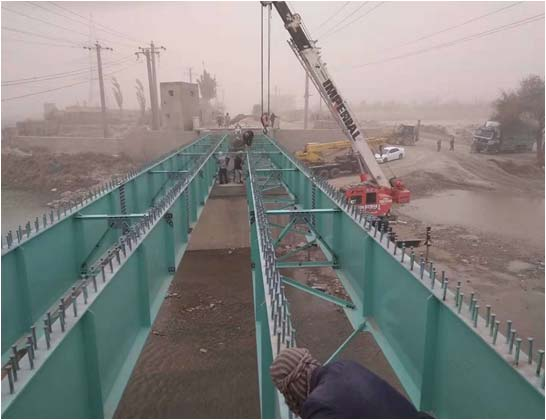
Today's prefabricated bridges depend heavily on specially designed connections that maintain strength while keeping construction timelines tight. The newer bolted joint systems really speed things up at the job site since they replace those time consuming welds. These bolts let workers align everything properly even when weight is applied, plus there's no need for all that extra testing after installation. Many modern designs mix Fiber-Reinforced Polymer or FRP materials with regular steel parts. The FRP bits don't rust away like metal does and cut down on overall weight by around 70% compared to plain old concrete structures. This combination means engineers can build much longer bridges that require almost no upkeep over time. Especially important in earthquake prone areas, these materials bend rather than break during tremors. Tests done back at the Large-Scale Structures Lab in Reno confirmed exactly this behavior under real world conditions.