 EN
EN

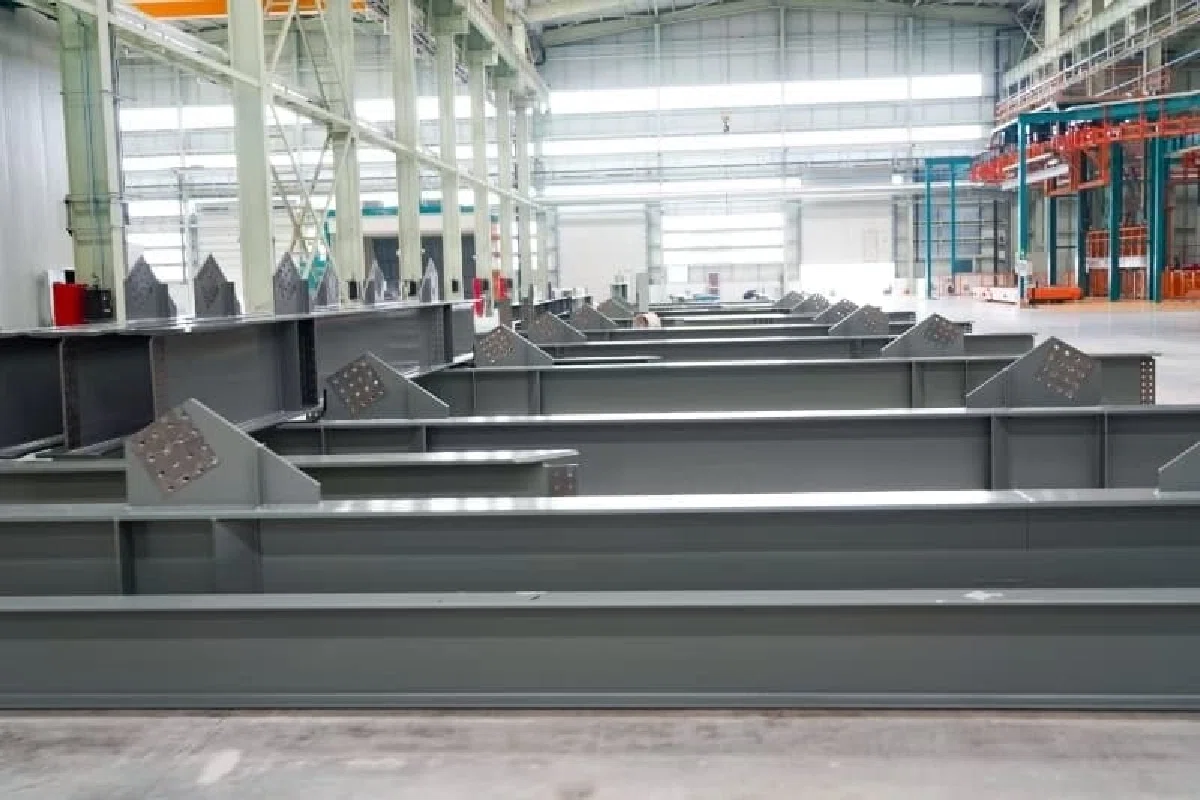
Accelerated Bridge Construction (ABC) Techniques for Steel Bridges
Offsite Prefabrication and Modular Assembly of Steel Bridge Components
Today's bridge building often makes use of prefabrication done away from the actual construction site, which cuts down on how long these massive projects take to finish. When steel parts get made inside climate-controlled factories instead of out in the elements, there's better control over quality, materials stay consistent, and nobody has to worry about rain stopping work mid-project. The whole modular approach means big chunks of bridges can actually be put together completely at the factory before they ever hit the road for delivery. This saves money because fewer workers need to be onsite, keeps traffic jams to a minimum during installation, and most importantly reduces dangerous situations for crews working high above ground level. According to industry reports, bridges built using this method tend to wrap up anywhere between 30 and 50 percent quicker compared to traditional techniques where everything gets poured right there on location. Plus, dangerous tasks performed at height drop by around two thirds when using prefabs rather than casting concrete in place.
Innovative Systems: Press-Brake Tub Girders and Sandwich Plate System Decks
The press-brake tub girder (PBTG) and sandwich plate system (SPS) deck are changing how we think about steel bridges these days. With PBTGs, engineers bend cold steel plates into those distinctive U-shapes that weigh less but stay just as strong. These girders go up around 40 percent quicker than old school beams too, which means fewer cranes and bulldozers needed on site. Real handy when working in tight spots or out in the middle of nowhere where big machinery can't reach. Then there's the SPS deck system that sticks together two steel layers with something like plastic in between. What makes this interesting is how thin yet tough it gets. One of these panels actually does the job of what would normally take three times the weight in regular concrete. So not only does it speed things up during construction, but these structures tend to last longer before needing repairs. Both technologies let crews get bridges back online fast after disasters hit without compromising safety standards, which is why many communities are turning to them following floods or earthquakes.
High-Performance Steel Materials Enhancing Bridge Durability and Speed
A709-50CR and Other Corrosion-Resistant, High-Strength Steels
Steels such as ASTM A709-50CR offer at least 50 ksi yield strength while resisting corrosion really well, which makes them ideal for structures near saltwater areas, roads where they spray de-icing chemicals, and factories with harsh conditions. The lighter weight of these materials allows engineers to design buildings that put less stress on foundations maybe around 20% less according to some studies. They also cut down what it costs to ship pre-made components across country. Most importantly, these steels last decades longer than traditional options sometimes over a century with just basic upkeep. Because their strength remains predictable throughout production runs, fabricators find them easier to work with during manufacturing and when putting together parts on site, which helps projects get finished faster without compromising quality.
Integrated Protection Strategies: Weathering Steel, Galvanizing, and Hybrid Coatings
Getting long lasting durability means going beyond simple single layer protection. Weathering steel develops its own protective layer that keeps repairing itself over time. Hot dip galvanizing works differently by offering what's called sacrificial protection from zinc. Hybrid coatings take things further by combining both metal based protection and physical barriers, which can extend service life anywhere from three to five times longer in harsh environments. For structures located near the coast where salt air causes problems, these layered approaches cut down on replacement expenses by around 40% after just thirty years of exposure. The result? Critical structural connections stay strong even when subjected to constant wear and tear or repeated stress cycles that would normally weaken standard materials.
Digital Integration and Automation in Bridge Steel Fabrication and Erection
Bridge Information Modeling (BrIM) for Precision Planning and Clash-Free Execution
Bridge Information Modeling, or BrIM for short, builds detailed digital replicas of steel structures before any actual fabrication begins. These models let engineers simulate how things will go during construction, spot potential clashes between different elements early on, and plan out logistics much better than traditional methods allow. The benefits are pretty significant too – studies show that this kind of virtual prototyping can cut down on rework somewhere around 20 to 30 percent. What's more, when parts are fabricated offsite with such precision, they just snap into place during installation without all those frustrating on-site modifications. When everyone involved in the project – designers, fabricators, constructors – works together in real time through these shared models, it means fewer expensive changes needed at the job site. Projects get completed faster while still meeting all safety standards and regulatory requirements, which makes everyone from contractors to clients quite happy about the whole process.
Robotic Cutting, Welding, and On-Site Automation for Faster, Safer Bridge Steel Deployment
Modern robotic systems can cut and weld structural steel with incredible precision, often hitting tolerances as tight as 1 mm. This beats what humans can do manually and creates stronger joints that matter a lot for keeping bridges safe over decades. When it comes to fabrication time, automated processes cut down production by around 40% compared to traditional methods. At construction sites today, we see autonomous cranes working alongside guided placement systems. These technologies not only speed things up but also make sure components go together correctly, which means fewer workers have to handle dangerous tasks directly. According to research from 2023 in the industry, companies using this kind of automation reported about 60% fewer accidents on site. Plus there were average savings of roughly $740,000 per project.
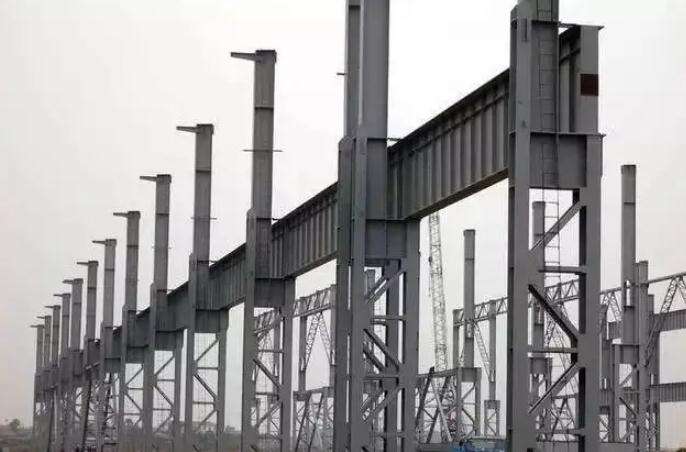
Balancing Speed, Safety, and Sustainability in Modern Bridge Steel Projects
Steel bridges built quickly combine speed, strength, and environmental responsibility in ways traditional methods just can't match. When components are made offsite first, crews spend about half as much time assembling them onsite, which means workers face fewer risks during construction. Special grades of steel such as A709-50CR plus built-in protection against rust help these structures last for generations sometimes even over 100 years with little maintenance needed. Building Information Modeling (BrIM) helps planners avoid mistakes before they happen, cutting down on wasted materials and costly fixes later. Plus, since structural steel can be recycled again and again, it fits right into modern efforts toward sustainable building practices. All told, these fast-track steel bridges provide reliable transportation solutions while keeping carbon footprints small and meeting today's demanding safety requirements without breaking a sweat.