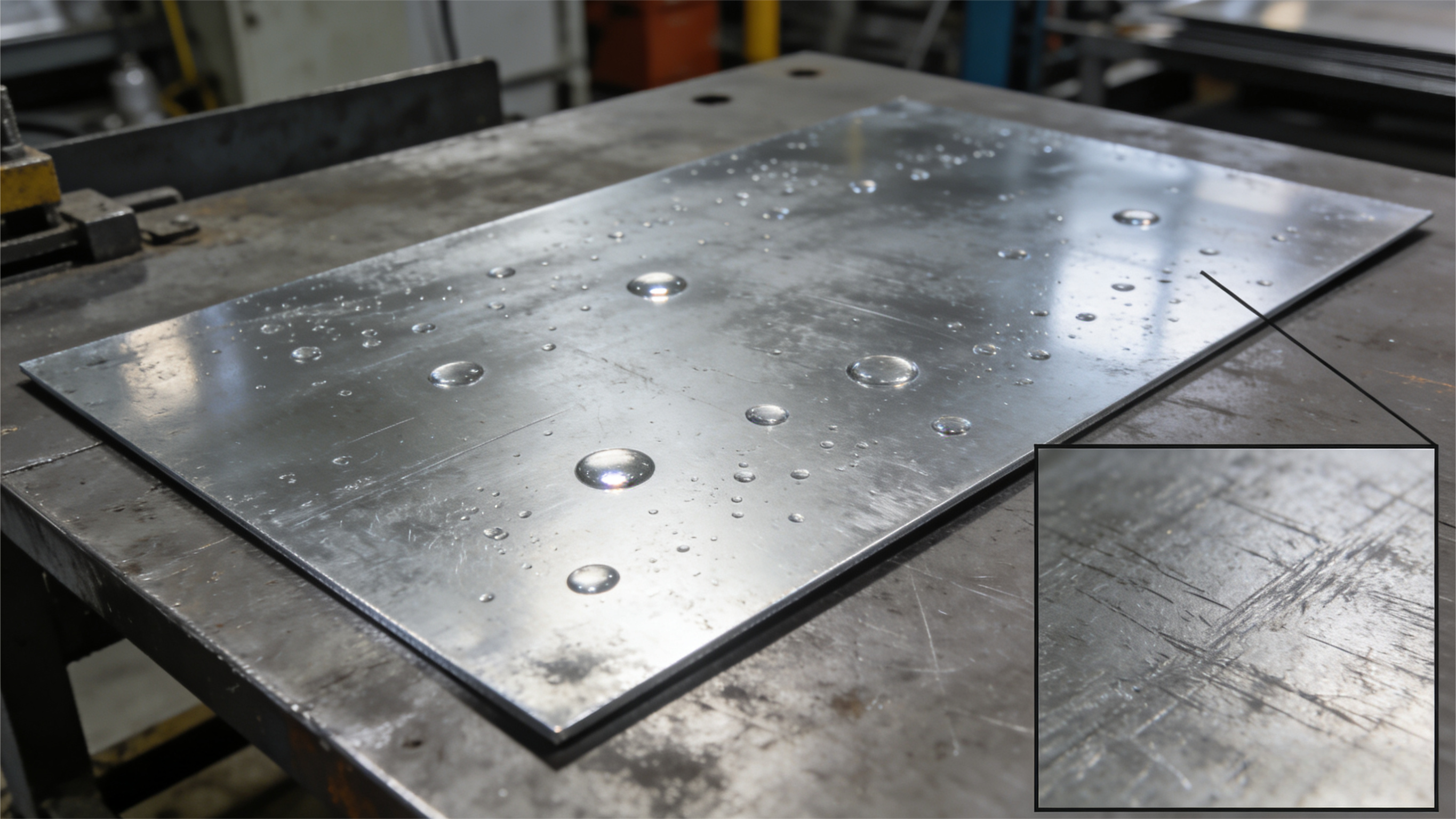
Moving construction fabrication into factory settings cuts down those frustrating on site delays that plague so many projects. Traditional building methods are constantly at the mercy of rain or snow and often run into problems when different trades don't coordinate properly. But in factories, production just keeps going no matter what's happening outside. Steel parts get made with amazing accuracy these days, way better than most people realize. The tight manufacturing controls mean components fit together almost perfectly when they arrive on site, which saves tons of time and money that would otherwise go into fixing mistakes later. Another big plus for factory work is it doesn't rely so heavily on finding skilled workers right there at the construction site something that has become increasingly difficult across the industry as demand continues to outpace supply.
When we talk about parallel workflows, what we're really looking at is a game changer for how schedules get managed on construction sites. The magic happens when site prep work goes hand in hand with making components elsewhere. Ground crews are busy digging holes and laying foundations while factory workers are churning out beams, panels, and all sorts of mechanical bits needed later. This kind of overlapping work can cut down overall time frames anywhere from 30 to almost half compared to old school methods where everything had to happen one after another. For those tight deadline projects that need to move quickly, this approach avoids those frustrating roadblocks that come from waiting for one thing before starting another.
Take the case of a massive 800k sq ft warehouse distribution facility recently built in the Midwest. The construction crew used prefabricated steel parts for everything from main beams to smaller support structures. These components came ready to go with holes already drilled and welds done at the factory. What does this mean? The actual steel assembly on site took only 12 weeks total. That's roughly 40 percent quicker compared to traditional building approaches. And let's not forget the financial benefits either. Contractors saved around $2.4 million when looking at overhead expenses and money tied up during construction.
When just-in-time delivery works hand in hand with BIM scheduling, it really makes timelines work better than they otherwise would. The components show up exactly at the moment workers need them, which means no more cluttered storage areas or having to move stuff around multiple times during the day. These fancy logistics systems actually manage when trucks come and go based on what's happening at the construction site each day. That keeps cranes running nonstop instead of sitting idle waiting for materials. And let's face it, this whole setup cuts down on how many people are needed onsite while making sure all those expensive machines get used properly instead of just collecting dust between jobs.
Steel components made with precision engineering cut down on waste because they're cut and shaped by computers rather than manual methods. Most traditional construction sites end up wasting around 10 to 15 percent of materials according to research from the Construction Materials Institute back in 2023. Factory fabrication drops that number way down to under 3 percent though. The whole process starts getting efficient when building information modeling or BIM comes into play. With these digital blueprints, everything gets measured out exactly right before any actual metal gets worked on. What does this mean for everyone involved? Lower costs for buying new materials and throwing away scraps, plus there's obviously less strain on the environment too.
When factories handle the assembly work, there's just not as much demand for people onsite anymore since most of the complicated stuff gets done in controlled settings. According to the Construction Labor Efficiency Report from last year, buildings that use these pre-made parts actually need around 30 to 40 percent fewer man hours compared to old fashioned building methods. What makes this approach really effective is how everything can happen at once. While workers are putting together pieces in the factory, others out at the construction site are getting ready with the foundation work. This setup cuts down on those frustrating delays caused by bad weather, saves money on overtime pay, and means we don't have to hire expensive welders all the time either.
When they built that new 50k seat stadium downtown, the construction team managed to cut down on wasted materials by around 18% thanks to those fancy digitally made steel trusses and beams. The precision cutting meant no more last minute changes at the site, something that usually wastes about 5 to 7% of materials during regular construction jobs. Labor costs dropped too - workers spent 35% fewer hours putting together the structure onsite. That translated into roughly $2.3 million saved just on labor alone according to their final reports. Pretty impressive when you consider how complex stadium structures can get.
Fabricated steel might cost more upfront but pays off big time in the long run. The precision in manufacturing means parts fit together better and look nicer too, which cuts down on repairs and keeps things running longer. According to some research from last year, buildings using these fabricated structures actually save around 25 to 30 percent on maintenance over three decades. Throw in quicker construction times and lower interest payments during building phases, and it's no wonder why developers are increasingly going with fabricated steel solutions for their bigger projects these days.
Steel fabrication delivers impressive strength relative to its weight, which makes it great for building structures that need to support heavy loads. With fabricated steel, engineers can create longer spans between supports and build lighter foundations all while keeping the structure solid and safe. The way materials are distributed during fabrication cuts down on unnecessary weight without weakening the overall structure. Industry research from Structural Engineering International back in 2023 showed that these efficiencies actually save around 30% in materials when compared to older construction techniques. That kind of saving adds up over time for any project looking to cut costs without sacrificing quality.
Fabricated steel has remarkable ductility and flexibility that makes buildings much better at handling earthquakes, which is really important for areas where tremors are common. While brittle materials tend to crack under stress, steel actually bends and absorbs shock without breaking apart completely. Engineers use special joint designs and moment resisting frames to maximize how well steel buildings handle shaking. According to studies by NIST, when built correctly, steel structures can handle earthquake forces about 40 percent better than other construction options. This kind of performance creates those critical safety buffers needed especially for hospitals, fire stations, and other essential buildings during disasters.
In a region prone to major earthquakes, engineers built a transportation bridge using specially made steel trusses designed specifically for enhanced quake resistance. What makes this bridge stand out is its unique combination of shock absorbing joints and multiple backup structural pathways. When put through rigorous tests simulating a 7.8 magnitude earthquake, the whole structure stayed intact and operational without any visible damage, something traditional concrete bridges simply cannot match under similar conditions. While the initial construction cost came in at around 25% higher than standard methods, safety experts argue that protecting lives during disasters far outweighs the extra expense. Plus, over time, these specialized components require much less frequent repairs compared to conventional materials, making them a smart investment despite the upfront price tag.
Modern fabricated steel uses advanced alloys and protective coatings to resist corrosion in challenging environments. These include:
These innovations have reduced corrosion-related maintenance costs by up to 60% (Materials Performance Journal 2024), making fabricated steel ideal for structures exposed to moisture, chemicals, or extreme temperatures.
Fabricated steel enables design flexibility through standardized yet customizable framing systems. These pre-engineered components support modular growth, allowing seamless integration of future expansions without structural compromise. The adaptability of steel framing accommodates evolving needs—from reconfiguring open spaces to adding entire wings—minimizing disruption and avoiding full reconstruction.
Steel fabrication works really well with today's prefabrication methods and modular building approaches. The material allows spaces to be designed flexibly so they can handle different situations whether it's switching between office and remote work setups, adjusting to new equipment requirements, or just plain changing how people use the space over time. When components are made in factories, everything fits together almost perfectly when putting up new structures or expanding existing ones. This cuts down on those expensive last minute fixes that happen on site. The combination of these factors makes fabricated steel especially attractive for businesses looking at long term solutions. Schools, hospitals, and corporate offices all need buildings that last decades while still being able to change as needs evolve. Steel gives them that balance between durability and adaptability without breaking the bank.
One data center managed to double their server space in just under 18 months thanks to a pre-engineered steel frame solution. The construction team expanded the facility by around 15,000 square feet all while keeping operations running at nearly flawless 99.9 percent uptime throughout the process. Because the new addition aligned perfectly with the existing building's specs for structure and connections, they could integrate everything from power distribution to cooling systems and security measures without major disruptions. This strategy shaved off roughly 40 percent of the expected timeline and saved about 20 percent on overall costs since there was no need for special custom designs or extensive on site manufacturing work.
Factory-controlled fabrication reduces on-site hazards by moving high-risk tasks like welding, cutting, and assembly off-site. Workers are protected from extreme heights, adverse weather, and congested live zones. Industrial site studies show a 60% reduction in safety incidents when using prefabricated steel (Construction Safety Journal 2024). The factory environment supports:
Quality in steel fabrication depends on compliance with ISO 9001 and American Welding Society (AWS) standards. These ensure consistent material properties, dimensional accuracy, and weld integrity through rigorous testing and documentation. Certified fabricators provide:
Third-party validation of these processes gives contractors confidence in long-term structural performance.
A recent 60 story office building in downtown Chicago managed to go the entire structural steel construction phase without a single reportable safety incident. Most impressive was how they pulled it off using factory made components instead of traditional on site fabrication. Around 85 percent of those massive steel beams came ready to install right from the manufacturer, already drilled and welded at connection points. This cut down on site work by about 40%, which is huge when trying to stick to tight construction timelines. What really made the difference though was working with a fabricator certified under ISO 3834 standards. That meant every welder had proper credentials and followed strict protocols for joining metal parts together. The result? A structure that not only stayed safe throughout construction but also stands as something engineers can trust for decades to come.

Copyright © 2025 by Shandong Guoshun Construction Group Co., Ltd. - Privacy policy
 EN
EN



