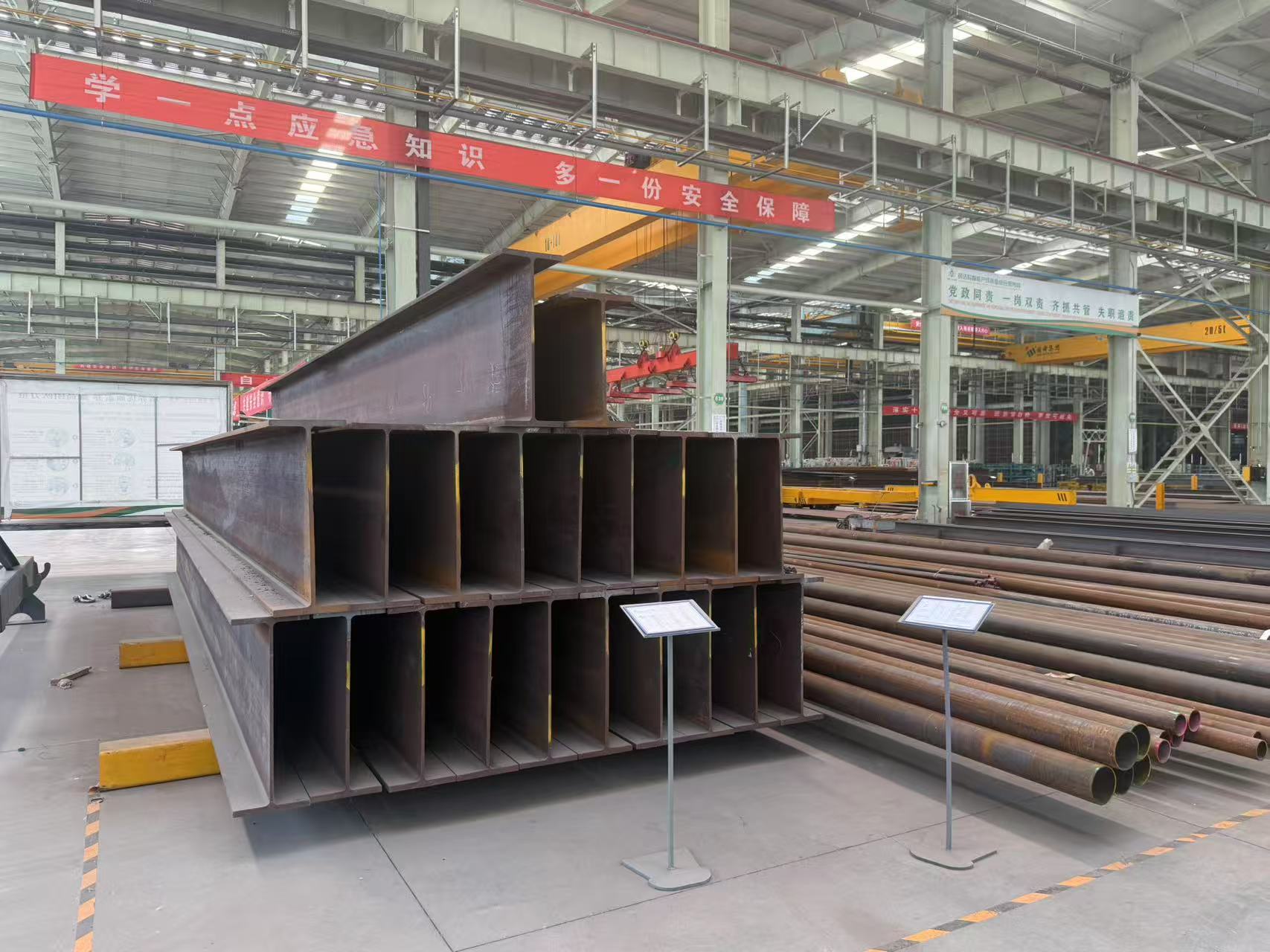
When companies adopt standardized fabrication processes for their international projects, they tend to see major reductions in both material waste and labor costs. Techniques such as computer numerical control cutting and precision welding help manufacturers get much better value from raw materials since there are fewer scraps left over after production runs. The whole setup creates a much more predictable working environment where quantity estimates become far more accurate. This means fewer unexpected purchases of extra materials, which can cut overall material spending somewhere around 15% when compared to older methods. Another big plus comes from factory based production itself. Skilled technicians aren't held back by bad weather conditions or forced into time consuming corrections at construction sites, so everyone works faster without compromising on product quality standards.
Components made with precision fabrication techniques can really shorten those long on site construction schedules and save money on all sorts of overhead costs. When modules are built off site first, they come to the location already assembled and ready to go, which means installation takes about half the time it would normally take with traditional approaches. The timing works out well too because things get delivered just when needed, so there's less spending on workers onsite, no need to rent extra equipment, and fewer costs for temporary buildings. Projects finish faster overall, which cuts down on financing costs and gets investors their returns sooner rather than later. Since these pre-made parts don't require much adjusting once they arrive, construction teams rarely face unexpected delays, keeping the whole schedule running smoothly even for massive projects happening across different countries around the world.
Steel structures fabricated properly really stand out when put into tough environments because they have this great strength compared to how much they weigh. We see this advantage clearly in places prone to earthquakes and along coastlines where other building materials just don't hold up as well. Steel is light enough that we don't need massive foundations, but still strong enough to support all sorts of resilient design choices. When buildings are located in areas that shake regularly, the flexibility of steel lets them bend and twist during quakes without breaking apart completely. This helps protect people inside from serious harm. Along the coasts too, things like bridges, harbors, and other waterfront constructions benefit from steel that's been treated right. The proper treatments stop rust caused by seawater so these structures can last decades even though they're constantly exposed to salt air and water.
Steel fabrication today lasts much longer thanks to better corrosion defenses and smart modular designs. Galvanized finishes and epoxy layers create tough shields against weather damage, following guidelines set by groups like NACE International. Buildings and bridges built this way can handle harsh coastal areas or industrial zones where regular materials would fail within a few years. The concept of modular redundancy works differently too. When engineers build in extra capacity or make parts easy to swap out, it means maintenance crews can fix problems without tearing everything apart. Think about highway overpasses or water treatment plants where downtime costs money. These design choices keep essential structures working properly for half a century or more while cutting down on repairs and replacements over time.
Building steel components away from construction sites in controlled workshops lets manufacturers work on these parts at the same time crews are getting ready on location. This parallel workflow can shave anywhere from 30% to almost half off overall project schedules. When precision engineered parts arrive they just slot into place without needing extra adjustments. And because these parts tie into worldwide shipping networks, companies can arrange deliveries right when needed on site. No need for expensive storage space or dealing with rain delays that hold everything up. Labor requirements drop around 40% since most assembly happens elsewhere. Standardized manufacturing processes mean fewer defects and consistent quality across all components. International infrastructure projects especially benefit from this predictable timeline management. Contractors get their money back sooner and facilities start generating revenue months ahead of schedule compared to traditional methods.
Recently there was an interesting project that showed just how scalable prefabricated steel really is. They built emergency medical facilities all over Southeast Asia, Africa, and parts of South America, and got them up and running within three months flat. The steel components for these structures were made at several manufacturing centers around the world at the same time. Digital tools kept everything aligned so all the pieces would fit together properly when they arrived on site. What this meant in practice was getting buildings erected about two thirds faster than normal construction methods, while still making sure patients had access to proper medical care and the structures stood up against local weather conditions. Looking at this example makes it clear why more organizations are turning to steel fabrication for critical infrastructure needs no matter where they need something built.
Steel fabrication plays a big role in supporting circular economy objectives since most steel can actually be recycled again and again. Around 9 out of 10 tons of scrap steel gets reused somehow, which means these materials just keep getting turned back into building parts instead of ending up in landfills where they would take up space forever. This kind of recycling capability really fits what the EU has been pushing through their Circular Economy Action Plan, plus similar green initiatives throughout places like Japan and Australia that want companies to think about how products get used over time. Because steel basically never loses its value when recycled, construction projects worldwide are increasingly turning to this metal as a smart option for creating infrastructure while still being good stewards of our planet's limited resources.
The way steel works naturally and how it gets made makes it perform really well in those big green building certifications out there like LEED, BREEAM, and Green Star. When builders go with fabricated steel for their projects, they tend to score better points in the materials section because this metal comes from recycled sources and can be recycled again at the end of its life cycle. The precision involved in making steel components cuts down on construction waste quite a bit, which helps buildings get extra points for being energy efficient and environmentally friendly on site. Plus, since steel lasts so long and doesn't need much upkeep, all these benefits together make it easier for projects around the world to hit tough environmental standards and land those top tier green certifications.
Fabricated steel's modular characteristics offer remarkable design freedom while still maintaining solid structural integrity. Because of its impressive strength compared to weight, architects can create big open spaces between columns and experiment with all sorts of interesting building shapes. No need for those pesky internal walls that limit what designers can do inside. What's really cool though is how these structures keep adapting long after they're built. Steel buildings aren't stuck in one configuration forever. Companies often modify them later on when business needs change. Think about warehouses expanding their storage area or old factories getting turned into offices and retail spaces. The steel framework just grows along with whatever new requirements come up. That combination of being able to customize things now and scale operations later explains why so many progressive construction projects around the globe are turning to fabricated steel solutions.

Copyright © 2025 by Shandong Guoshun Construction Group Co., Ltd. - Privacy policy
 EN
EN



