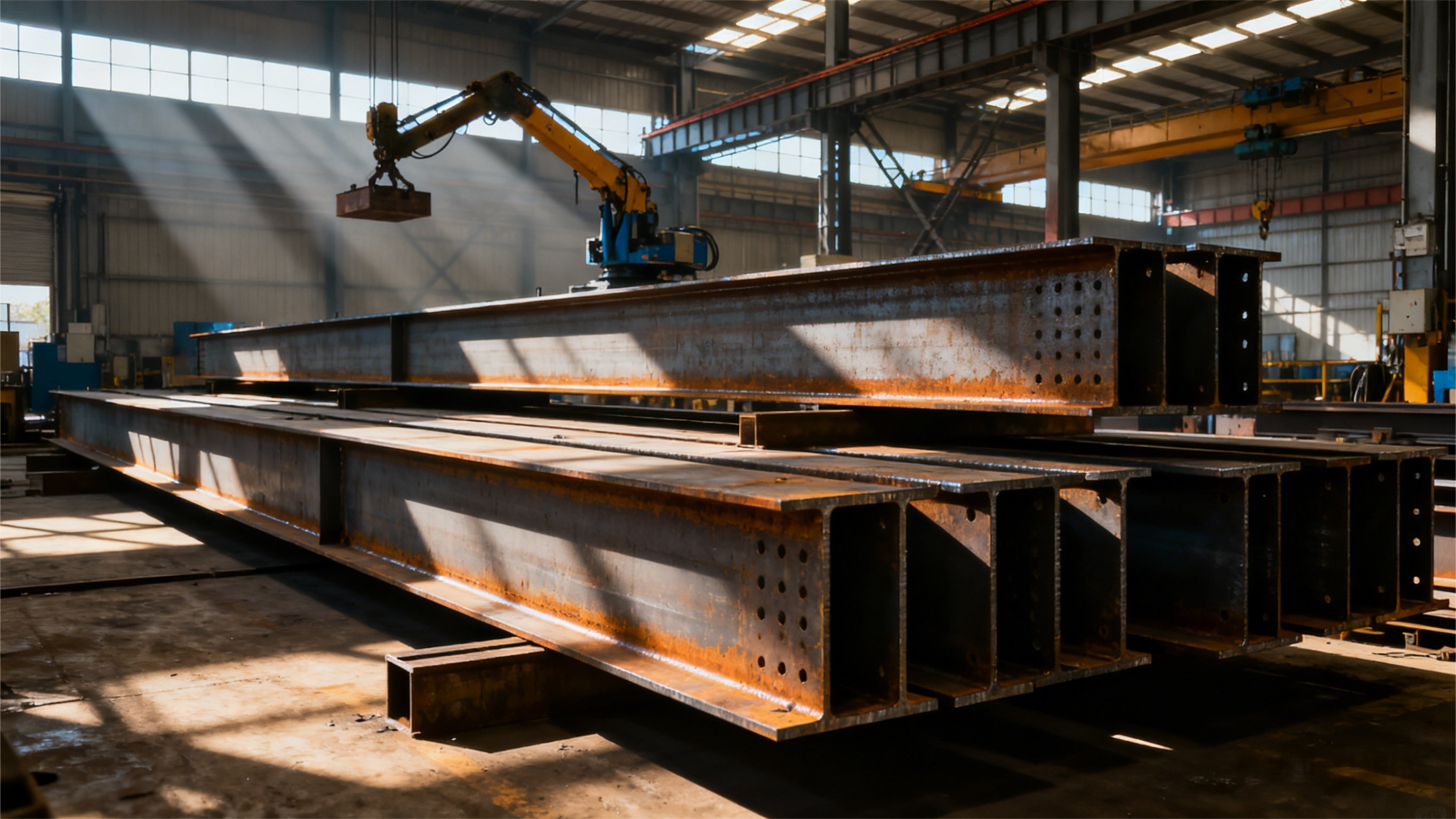
Getting things just right matters a lot when it comes to keeping steel structures intact. Today's steel fabrication can hit dimensions accurate to around 1.6 millimeters, so parts fit together pretty much perfectly when they go into place. This kind of precision gets rid of those problem spots that often happen because components don't line up properly in older building methods. The way we shape steel these days relies heavily on machines controlled by computers for cutting and forming operations. These tech tools help keep the strength characteristics uniform throughout whatever structure gets built. Fabricated steel stands up well to serious weight without bending or warping, something that becomes really important in places where buildings need extra support or face harsh environmental factors.
When it comes to quality control, Building Information Modeling or BIM makes a big difference. With BIM, designers can see every detail of their plans and spot problems where different parts might interfere before any actual manufacturing takes place. Think of it as creating a virtual version of what will be built in reality. This means most designs are already ready for fabrication when they hit the shop floor, which saves money because fewer mistakes happen during construction. When paired with computer numerical control machining, BIM really shines. Components get produced with amazing consistency and exact measurements each time. And there's something else worth mentioning about this whole system. Companies that implement proper quality checks throughout the BIM workflow tend to have much better outcomes overall. Their products just work better in the long run.
| Quality Control Measure | Purpose | Impact |
|---|---|---|
| 3-level quality reviews | Error elimination | Enhanced productivity |
| Non-destructive testing | Defect detection | Structural reliability |
| Load testing | Performance verification | Safety assurance |
These protocols, paired with full documentation, ensure traceability and client confidence while minimizing rework.
Fabricated steel delivers exceptional durability in harsh environments. Its inherent strength, combined with protective coatings, provides robust resistance to corrosion, moisture, and temperature extremes. Properly finished components withstand:
This resilience reduces maintenance demands and extends service life, making fabricated steel ideal for industrial applications and extreme climates.
Take for instance this 40 story commercial building finished back in 2013 that really shows what good steel work can do over time. Even after sitting there for ten years right on the coast where salt air hangs around and storms come through seasonally, when engineers checked it out they found zero issues with the steel bones of the structure. The whole thing stayed straight as an arrow without any bending or warping at all, which is impressive considering all the weight shifts and weather beating it takes year after year. Rust problems that usually plague buildings near water? Not here. The builders did such solid work with their materials and applied proper protective coatings so well that nobody had to spend money fixing corrosion damage. That probably saved somewhere around $2.3 million worth of repairs down the road. And tenants kept running their businesses without interruption because the building just kept working day after day, month after month. When companies invest properly from the start in getting things built right, they get these kinds of results where everything functions reliably for many years without headaches.
Building components away from the actual construction site actually cuts down how long projects take because factories can start working while crews are still getting the land ready. When work happens at both places at once, bad weather doesn't hold things up anymore, plus factories run around the clock without stopping. Most projects finish anywhere between a third to half quicker than old fashioned methods. The steel parts come already made to spec so workers just snap them together when they get there. No need for extra welding or adjustments that eat up hours. Contractors who have used this approach report finishing key stages roughly twice as fast as regular construction does. That makes these prefab systems perfect for tight deadline situations where getting people into buildings sooner means big money saved over time.
Off site fabrication offers something pretty significant when it comes to construction projects. Basically, it separates the actual making of parts from what happens at the building site itself. So while crews are getting ready to lay down foundations and grade the land, all those metal pieces are being made, finished off, and checked for quality back at the factory where conditions are much better controlled. This kind of coordination really helps cut down how long things take overall. We've seen some major projects finish anywhere between three to five months sooner than they would have otherwise. The components come straight to the job site exactly when needed for assembly, which means no waiting around or delays because one part isn't ready yet. What this leads to in practice? Projects get completed quicker, there's less traffic jamming up the worksite area, and workers face fewer safety issues since different trades aren't constantly bumping into each other trying to do their jobs at once.
When it comes to building speed, structural steel beats out old school materials like concrete and wood hands down. The components come ready made with all those exact connection points, so workers can just bolt them together on site instead of spending ages on manual labor. Concrete is totally different story though it needs all that formwork setup plus days waiting for it to cure before anything else happens. Steel parts go right into place as soon as they arrive at the job site. Plus since steel isn't nearly as heavy as concrete sections, regular construction cranes handle the lifting without needing those expensive specialty machines reserved for massive concrete blocks. What does this mean practically? Buildings get wrapped up with weather protection way sooner than normal, sometimes even weeks ahead schedule. That means contractors can start working on interiors while rain or snow might still be falling outside.
When companies turn to specialized metal fabrication, they actually cut down on how much labor is needed because most of the complicated work gets done in factories that are set up for efficiency. Technicians who know their stuff work with fancy machines inside buildings where the temperature stays just right, and this setup means about 40 percent less need for workers compared to doing everything at the job site. Nobody has to worry about bad weather holding things up or paying extra for overtime anymore something that happens all the time when building projects move quickly. The parts made in these factories come out super accurate, around 99.7 percent correct in size measurements, so there aren't many mistakes once they get delivered to the worksite. Fewer mistakes mean fewer expensive fixes later on, which keeps construction costs under control and helps finish jobs according to plan rather than running over budget and behind schedule.
Steel fabrication shops are getting really good at reducing waste these days thanks to those fancy computer programs for cutting and arranging parts. Some companies report using almost all their raw materials, hitting around 98% efficiency in some cases. Traditional building approaches often throw away about 30% of what they start with because workers have to cut things wrong on site and then fix mistakes later. The money saved from not wasting so much material adds up fast too. We've seen some construction projects save roughly a quarter of their material budget just by switching to this method. Plus there's less trash to haul away, which cuts down on disposal fees while being better for the planet overall. It's basically a win-win situation for both business owners' bottom lines and environmental concerns.
Fabricated steel does come with a price tag that's around 10 to 15 percent higher initially, but looking at it over the long haul actually saves money. When it comes to putting up buildings, steel structures go together much quicker too. We're talking about construction times that cut down by anywhere from 30 to 50 percent. That means projects finish sooner, which cuts down on those finance charges everyone hates so much. Take a mid size commercial building for example. Every single month shaved off the schedule translates to somewhere between fifteen and twenty five grand saved on interest and other running costs. And let's not forget about maintenance either. Steel buildings just don't need as much upkeep. Studies show they require about forty percent less maintenance spending over twenty years when compared against other building materials out there. All these factors combined mean businesses get their money back faster while still making smart financial decisions, especially important when deadlines loom large.
Steel fabrication gives architects incredible freedom when it comes to design possibilities. With this material, they can create all sorts of complicated shapes and customized structures that just wouldn't work with conventional building materials. The strength to weight ratio is pretty amazing too. That means buildings can have really long open spaces between columns and still incorporate those fancy architectural details everyone loves these days. When manufacturers produce these steel parts, they make sure everything matches exactly what was drawn on paper, down to the last millimeter. Think about curved beams or multiple levels stacked together, even those special facade systems that make buildings stand out from their neighbors. Because of all this flexibility, fabricated steel becomes the go to choice for projects where looks matter as much as safety does. Architects who want something both beautiful and solid tend to gravitate toward steel solutions time after time.
Steel modular systems really help with adaptive reuse since they let buildings get rearranged, added onto, or moved around without major structural changes. The prefabricated parts are basically building blocks that can come apart and find new homes elsewhere. This means materials stay valuable instead of ending up as demolition waste. Buildings last longer this way, which cuts down on their environmental impact over time. According to industry reports, these modular steel constructions cut down project timelines by roughly half compared to traditional methods, all while keeping the original design intact. That makes them perfect for projects where time is tight and space needs keep changing as businesses grow or shift focus.

Copyright © 2025 by Shandong Guoshun Construction Group Co., Ltd. - Privacy policy
 EN
EN



