Overseas construction projects face unique challenges—tight schedules, diverse climate conditions, strict environmental regulations, and complex logistics. In this context, sustainable building practices are no longer a choice but a necessity, as governments, clients, and communities increasingly prioritize eco-friendly, efficient, and durable solutions. Fabricated steel structures have emerged as a cornerstone of sustainable overseas construction, combining prefabrication technology with the inherent advantages of steel to address these challenges head-on. Unlike traditional on-site construction methods that are time-consuming, wasteful, and prone to delays, fabricated steel structures offer a streamlined, eco-conscious approach that aligns with the long-term goals of overseas projects. Let’s explore why they have become indispensable for sustainable building across international borders.
Eco-Friendly and Recyclable Material Foundation
Sustainability starts with material choice, and steel stands out as one of the most environmentally friendly options for construction—especially when fabricated off-site. Fabricated steel structures rely on high-quality steel, a material with an impressive recycling rate (over 90% globally) that can be reused repeatedly without losing its structural integrity. This recyclability drastically reduces the demand for virgin raw materials, minimizing deforestation, mining, and the carbon footprint associated with resource extraction. For overseas projects operating in regions with strict environmental standards (such as the EU, North America, or Southeast Asia’s eco-sensitive areas), this aligns perfectly with local regulations and community expectations.
Prefabrication further enhances the environmental benefits. Fabricated steel components are manufactured in controlled factory settings, where material waste is minimized through precise cutting, planning, and reuse of scraps. Unlike on-site construction, which often generates excessive waste from inaccurate measurements or weather-related damage, factory production ensures efficiency—typically reducing material waste by 30% or more. Additionally, steel’s durability means fabricated structures have a long service life (50+ years with proper maintenance), reducing the need for frequent renovations or replacements that contribute to landfill waste. For overseas projects aiming to achieve green certifications like LEED or BREEAM, fabricated steel structures provide a clear path to meeting sustainability criteria, enhancing project credibility and marketability.
Efficient and Time-Saving Construction Processes
Overseas construction projects are often constrained by tight deadlines, high labor costs, and logistical hurdles—challenges that fabricated steel structures address with their efficient prefabrication and assembly processes. All key components, from beams and columns to connectors and panels, are manufactured in advance at domestic or regional factories, then shipped to the project site as ready-to-assemble modules. This eliminates the need for on-site welding, cutting, or casting, which are time-consuming and dependent on skilled labor (often scarce or expensive in overseas markets).
On-site assembly of fabricated steel structures is fast and straightforward, typically completed in a fraction of the time required for traditional concrete or masonry construction. For example, a fabricated steel bridge or industrial warehouse can be erected in weeks rather than months, reducing project downtime and accelerating revenue generation for clients. This efficiency also minimizes the environmental impact of on-site activities: fewer construction days mean less noise pollution, dust emissions, and disruption to local communities. Moreover, prefabrication reduces the risk of weather-related delays—factory production is unaffected by rain, extreme heat, or cold, ensuring consistent progress regardless of local climate conditions. For overseas projects facing logistical uncertainties (such as delayed material shipments or visa issues for workers), the speed and predictability of fabricated steel construction provide a critical buffer against setbacks.
Durable and Climate-Resilient Performance
Overseas construction sites span diverse climates—from tropical rainforests and coastal regions to arid deserts and seismic zones. Fabricated steel structures are engineered to withstand these harsh conditions, offering unmatched durability and resilience that supports sustainable long-term use. Steel’s inherent strength-to-weight ratio makes fabricated structures resistant to high winds, heavy rains, and seismic activity, reducing the risk of damage or collapse. For coastal projects, fabricated steel components can be treated with anti-corrosion coatings (such as galvanization or paint) to resist saltwater erosion, extending the structure’s lifespan and reducing maintenance needs.
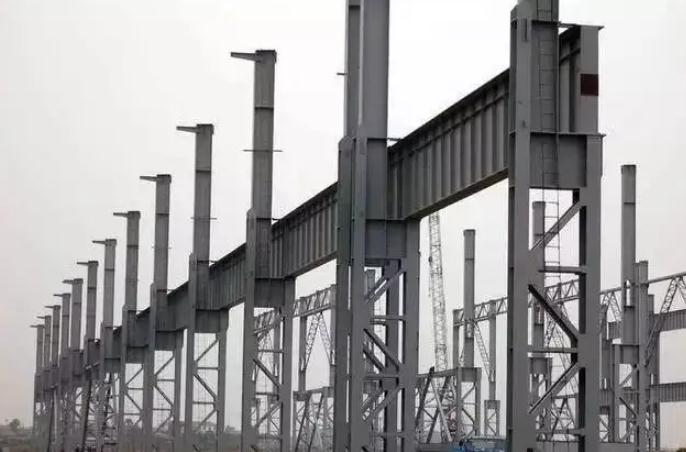
This resilience translates to sustainability by minimizing the need for frequent repairs or replacements, which consume additional materials and energy. For example, fabricated steel bridges—like those showcased in industry applications—are designed to handle heavy loads and extreme weather, requiring minimal maintenance over decades of use. Unlike wood or concrete, steel does not rot, warp, or crack, ensuring the structure remains safe and functional without compromising environmental goals. Additionally, fabricated steel structures can be easily modified or expanded if project needs change, avoiding the waste associated with demolishing and rebuilding entire sections. This adaptability is particularly valuable for overseas projects in growing communities or evolving industrial zones, where flexibility supports long-term sustainability.
Cost-Effective and Logistically Feasible Solutions
Sustainability in overseas construction must also be economically viable, and fabricated steel structures offer significant cost advantages over traditional methods. While the initial investment in steel may be slightly higher, the long-term savings are substantial. Reduced construction time lowers labor costs (a major expense in many overseas markets) and minimizes financing charges by accelerating project completion. The low maintenance requirements of fabricated steel structures further cut long-term costs, as they do not require regular painting, patching, or replacement of damaged components.
Logistical feasibility is another key benefit for overseas projects. Fabricated steel components are lightweight and modular, making them easier to transport over long distances—whether by ship, truck, or rail. Unlike bulky concrete precast elements or heavy wood beams, steel modules can be stacked efficiently, reducing shipping volume and costs. This is especially important for projects in remote areas with limited infrastructure, where transporting large or heavy materials is challenging and expensive. Additionally, the modular design of fabricated steel structures allows for standardized production, which simplifies quality control and reduces the risk of defects—avoiding costly rework that plagues some on-site construction projects. For international developers and contractors, these cost and logistical advantages make fabricated steel structures a practical choice that balances sustainability with profitability.

 EN
EN



