 EN
EN

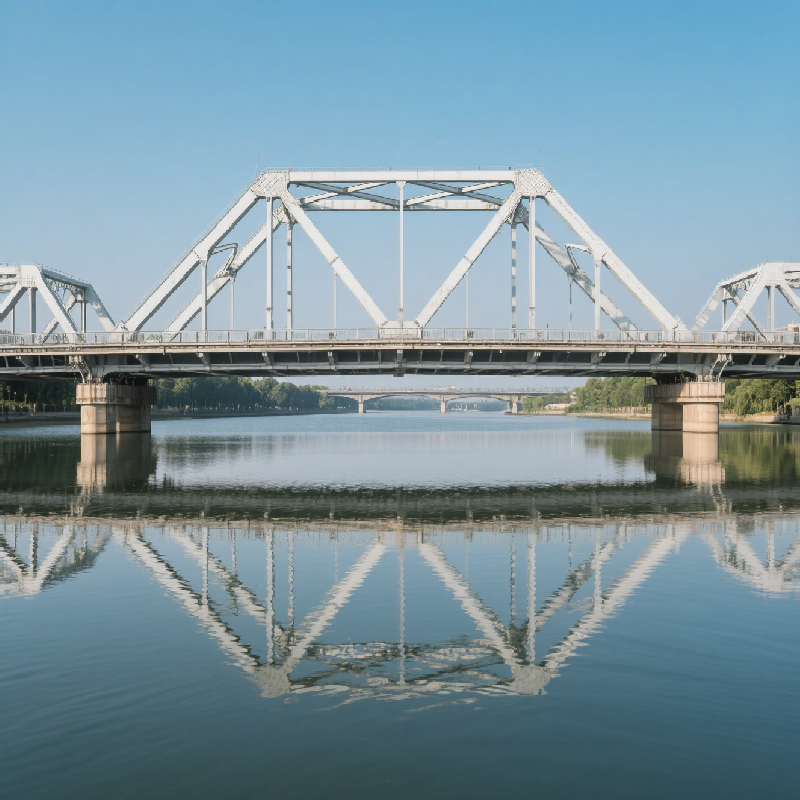
Safety-Critical Consequences of Quality Lapses in Bridge Steel
Dynamic Load Performance and Fatigue Resistance Under Real-World Bridge Conditions
Steel bridges face constant stress changes from vehicles passing over them, strong winds blowing through the structure, and temperature shifts throughout the day and seasons. These conditions require careful control of the metal's properties during manufacturing. When small defects go unnoticed in critical areas of the bridge, such as when there are gaps larger than 1 mm in parts承担heavy loads, this can cut the bridge's lifespan by around 30%. Cracks start forming much faster under these repeated stresses. The tiny imperfections found near the threads of those high strength bolts used throughout the structure actually create points where stress builds up over time. This gradual breakdown seriously weakens how well the bridge resists fatigue, particularly in those curved sections that experience tension forces. Standards like ASTM A709 for certified steel help maintain proper chemical makeup and strength characteristics across different batches. This consistency prevents sudden failures when trucks with varying weights roll across the bridge repeatedly, something that could lead to disaster if the materials weren't properly controlled from the factory floor.
Lessons from the I-35W Bridge Collapse: How Undetected Flaws Compromised Structural Integrity
When the I-35W bridge in Minneapolis collapsed back in 2007, it was a wake-up call showing just how small quality issues can lead to major disasters. The investigation found that the problem started with gusset plates that were simply too small for the job, made worse by corrosion eating away at their strength. Together these factors cut down on what the bridge could actually hold by around 25%, especially when construction gear and heavy traffic added extra weight. What's really concerning is that standard tests missed tiny cracks forming where welds met corroded spots, something that gets much worse when roads are treated with salt to melt ice. Small problems with metal thickness or surface prep turned out to be huge risks when things got really stressed. Because of this disaster, today's bridges require much more thorough checking methods like ultrasonic scans and phased array testing at every critical connection point to spot hidden problems long before they become safety threats.
Corrosion Management: Ensuring Long-Term Bridge Durability
Combatting Environmental Degradation — Marine, De-Icing, and Humid Exposure on Bridge Steel
Steel bridges constantly battle corrosion from multiple sources including saltwater spray along coastlines, road salts used for winter maintenance, and ongoing exposure to moist air. Each of these factors contributes to the breakdown of metal through different chemical processes. Salt from ocean environments works its way under protective layers while road deicers create harmful chemical reactions right on the surface. Constant moisture keeps rust forming continuously over time. When nothing is done about it, all this damage adds up to a staggering $276 billion cost for American infrastructure every year according to NACE data from 2021. Worse still, bridge strength can drop between 15 and 20 percent just after ten years of neglect, which means expensive repairs or complete replacements long before their expected lifespan ends.
Surface Preparation and Multi-Layer Coating Systems for Sustainable Bridge Protection
Effective corrosion control begins with rigorous surface preparation: abrasive blasting to SA 2.5 cleanliness (ISO 8501-1) is essential for optimal coating adhesion. Multi-layer systems then deliver durable, functionally graded protection:
- Zinc-rich primers (80–85% zinc) provide sacrificial cathodic protection
- Epoxy intermediates enhance chemical and abrasion resistance
- Polyurethane topcoats resist UV degradation and environmental soiling
Take the Golden Gate Bridge for instance. Engineers managed to extend its service life by around 40 years through an integrated maintenance strategy that also doubled the time between necessary repairs from 12 to 25 years. Combining these methods with modern non-destructive testing techniques like ultrasonic thickness checks and holiday detectors has proven really effective at stopping corrosion problems before they become serious issues. About 9 out of 10 potential failures related to corrosion get caught early this way. What we see here isn't just longer lasting infrastructure, but actual financial benefits too. Investing properly in certified coatings upfront typically saves anywhere between three and five times what would be spent fixing damage after it happens. Many transportation departments are starting to recognize this value proposition.
Material Compliance: Matching Steel Grades to Bridge Design Requirements
Selecting appropriate steel grades is non-negotiable for bridge integrity—material non-compliance contributes to 17% of structural failures (ASCE 2023). Certified steel ensures design-specified load-bearing capacity, fracture toughness, and environmental resilience while satisfying regional regulatory frameworks.
ASTM A709, EN 10025, and AASHTO M270 — Selecting Certified Bridge Steel for Performance and Code Adherence
Critical considerations for certified bridge steel include:
- Weldability and fracture toughness, especially for seismic zones and thermal cycling
- Corrosion resistance, calibrated for coastal, de-icing, or humid exposure
- Yield strength alignment, matched precisely to span geometry and anticipated traffic loads
- Full traceability, verified via mill test reports confirming chemical composition and mechanical properties
Using non-compliant materials risks brittle fracture—particularly under low-temperature winter conditions—while proper grade selection supports 75+ year service life. Third-party validation of certifications remains essential to mitigate risk during fabrication, erection, and long-term performance.
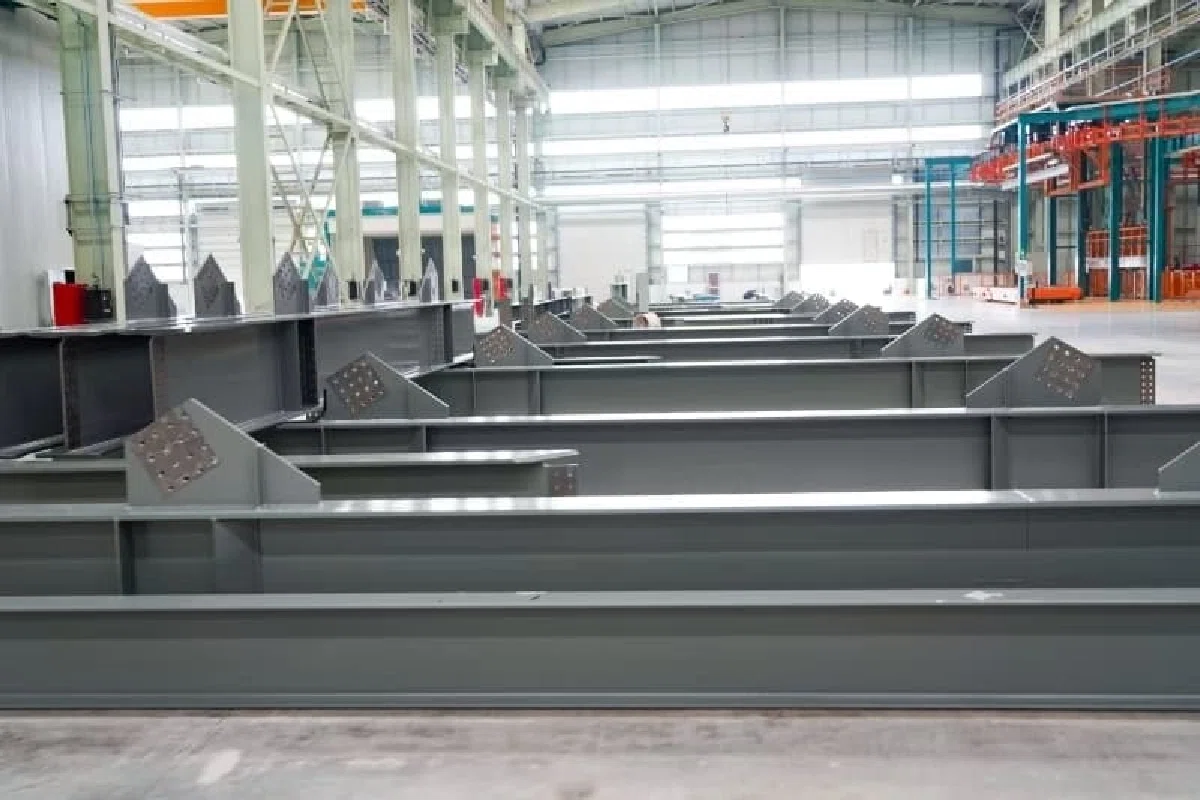
Inspection, Welding, and Non-Destructive Testing Protocols for Bridge Steel Structures
The strength and safety of bridges relies heavily on strict inspection processes, proper welding techniques, and various forms of non-destructive testing (NDT). Welders who work on these structures need to follow specific guidelines set by organizations like AWS D1.1 and AASHTO when preparing joints, controlling preheat temperatures, and actually performing the welds themselves. Before any real welding happens on the bridge itself, they usually run tests on sample pieces first to make sure everything works as expected. After welding is complete, engineers use multiple layers of testing to check different aspects of the weld quality throughout the metal's thickness and shape. Ultrasonic testing looks for hidden problems inside important connection points where stress builds up. Magnetic particle inspection helps spot surface cracks in areas under heavy load, such as where girders connect together. Radiographic testing provides another way to see if welds are solid all the way through, particularly useful for thicker sections that have to handle constant traffic movement. Throughout construction, workers keep checking bolts stay tight enough, components line up properly within acceptable ranges, and measurements match what was planned out initially. These checks help prevent spots where stress might concentrate over time and cause premature wear or failure. All these interconnected quality assurance steps represent our best protection against major structural failures in bridges built to last many years under tough conditions.