 EN
EN

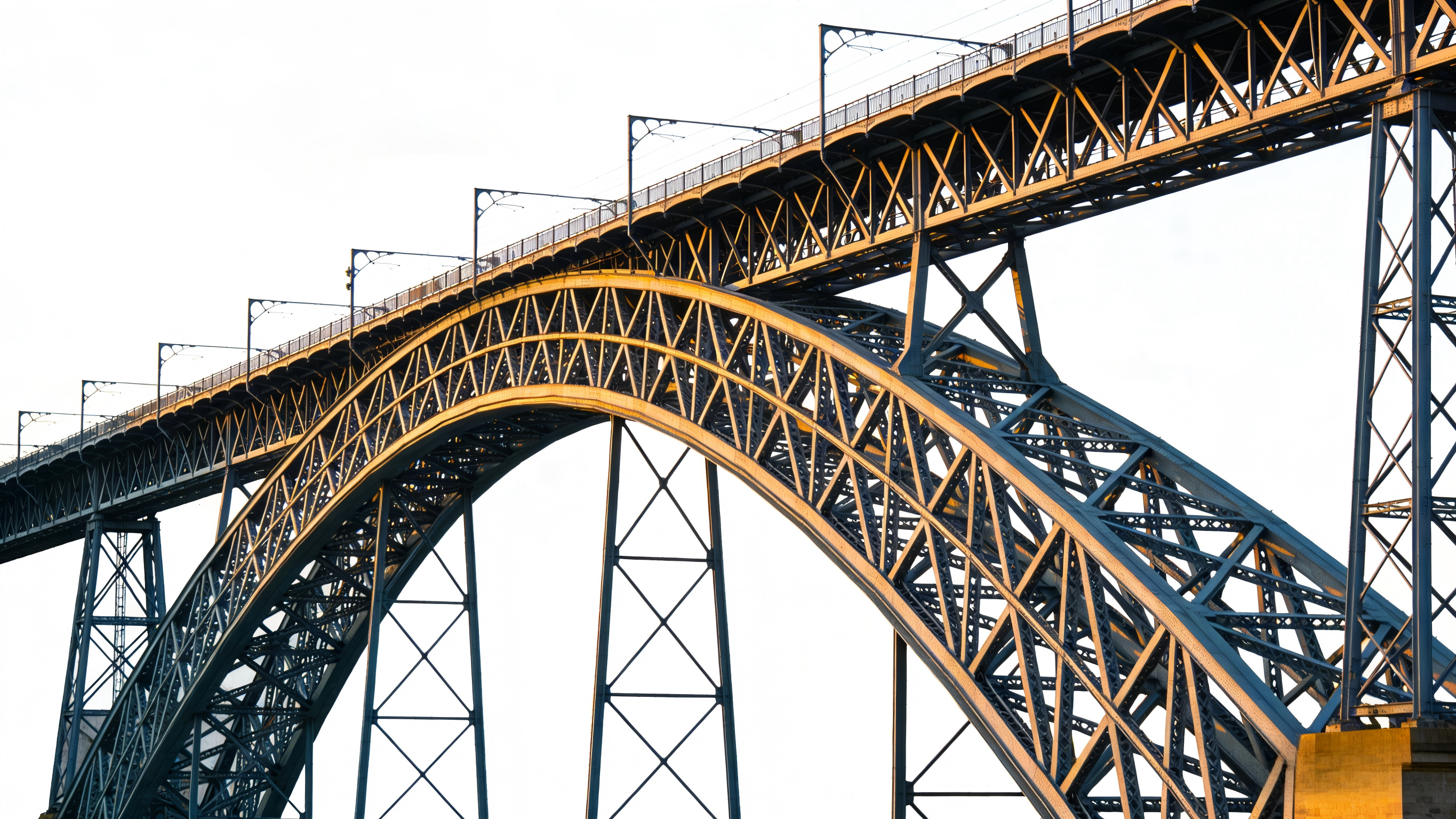
Understanding Marine Corrosivity: Why Bridge Steel Faces Extreme Degradation in C5M Environments
Salt aerosol, tidal immersion, and humidity cycling — the three dominant corrosion accelerants for bridge substructures
The substructures of bridges located along coastlines deal with three main corrosion challenges working together at once. First, there's the salt in the air that gets deposited on metal surfaces and starts those electrochemical reactions we all know about. Then comes the regular flooding from tides which actually creates what engineers call oxygen differential cells, leading to those annoying pits in the steel. And let's not forget about the constant moisture levels staying above 85% relative humidity, which basically keeps a thin film of electrolyte on everything all the time. This combination means corrosion happens anywhere from 5 to maybe even 10 times faster than what we see inland. Marine exposure tests lasting years have shown this pattern consistently, following those standard ISO 9223 guidelines for testing materials in harsh environments.
ISO 9223 C5M classification explained: ¥200 g/m²·a chloride deposition as the benchmark for critical bridge exposure zones
According to the ISO 9223 standard, how bad marine corrosion gets depends on how much salt air deposits over time. The C5M category marks the worst conditions possible. When we see deposition rates above 200 grams per square meter per year, which usually happens right near where waves crash against structures, that's when things get serious for bridges in splash and tidal zones. Steel left unprotected will lose between 50 to 80 micrometers each year from corrosion alone. This kind of wear isn't just annoying it actually threatens the whole structure. That's why proper corrosion protection systems aren't just nice to have they’re absolutely necessary if these important pieces of infrastructure are going to last through their expected lifespan.
Optimizing Anti-Corrosion Coating Systems for Bridge Steel in Marine Conditions
Multi-layer system performance: Epoxy–polyurethane vs. zinc-rich primer–epoxy under long-term C5M exposure
When it comes to coatings for marine bridges, the focus should be on both how well they resist electrochemical reactions and their ability to act as barriers against corrosion. Field tests have shown that combinations of zinc-rich primers with epoxy topcoats work better than traditional epoxy-polyurethane systems in harsh coastal environments classified as C5M. After about a decade in actual marine conditions, these zinc-based systems cut down on underfilm corrosion by around 70-75%, according to data from accelerated testing protocols similar to ISO 12944-9 standards. The reason behind this effectiveness lies in the way zinc acts as a sacrificial metal. Even if small cracks form in the protective layer or there are gaps in coverage (common issues in such demanding settings), the zinc continues providing cathodic protection. This becomes especially important in areas where salt deposits accumulate at rates above 200 grams per square meter annually.
Moisture-cured urethanes and high-zinc primers — superior adhesion retention above 85% RH in splash and tidal bridge zones
Coating problems happen all the time in areas where there's constant moisture, especially when humidity stays above 85%. The main issue we see? Adhesion failures that lead to coatings falling apart way before they should. Moisture cured urethanes have shown really good results in testing situations. They maintain about 94% adhesion after being immersed repeatedly according to ASTM D4585 standards. That's pretty impressive compared to regular epoxy coatings which only hold on for around 78%. What makes these urethanes work so well? They react with moisture in the air to form strong bonds, creating flexible films that can handle both temperature changes and the constant movement from tides affecting steel structures. When paired with high quality zinc primers containing more than 92% zinc dust by weight, these systems create a barrier against chloride ions. Tests show they can resist chloride penetration rates as high as 5 mg per square centimeter per year. This kind of protection meets what most coastal environments demand with their daily tidal cycles and exposure to salty air.
Surface Preparation Standards: Why SP10 Blast Cleaning Is Non-Negotiable for Bridge Coating Longevity
When it comes to coatings on structures in saltwater areas, how well surfaces are prepped before painting really determines how long those coatings will last. For bridges that sit underwater or get constantly splashed by seawater (what we call C5M conditions), there's a specific standard called SP10 or Near White Metal Blast Cleaning that has become pretty much required these days. This process leaves behind no more than about 5% of old stuff stuck to the metal surface and creates those little peaks and valleys in the steel that let paint grip better. We're talking about anchor profiles around 2 to 3 thousandths of an inch deep, which works great with those tough epoxy zinc coatings everyone wants nowadays. A lot of problems happen when people skip proper prep work though. Industry folks say something like eight out of ten coating failures actually start because someone didn't clean properly first. Leftover factory scale, salt deposits, or rust spots end up hiding underneath new paint layers and eventually cause big trouble down the road.
Lower preparation standards drastically compromise performance:
| Standard | Max Staining | Coating Lifespan Reduction in C5M |
|---|---|---|
| SP7 (Brush-Off) | 100% | 60–70% |
| SP6 (Commercial) | 33% | 40–50% |
| SP10 | ¥5% | <10% |
Given that full coating replacement on marine bridge substructures exceeds $300/m², the marginal cost premium for SP10 compliance delivers exponential ROI through extended maintenance cycles and preserved structural reliability.
Evaluating Corrosion-Resistant Steel Alternatives for Marine Bridge Applications
Weathering steel (Corten) limitations: Unstable patina formation and accelerated pitting in chloride-saturated bridge environments
Weathering steel works because it forms a kind of stable rust layer over time, but this whole process gets messed up when exposed to saltwater environments. When we look at areas where salt deposits hit or go beyond what's called the ISO 9223 C5M standard around 200 grams per square meter per year, something happens to Corten steel. The protective oxide layer becomes uneven and full of holes, trapping salt particles inside. What follows is much faster pitting corrosion compared to what we see inland applications typically experience maybe three to five times faster. These problems really show up at critical points like weld joints, bolts, and tight spaces between components. Because of these issues, engineers generally avoid using weathering steel as main structural support in bridges located near coastlines.
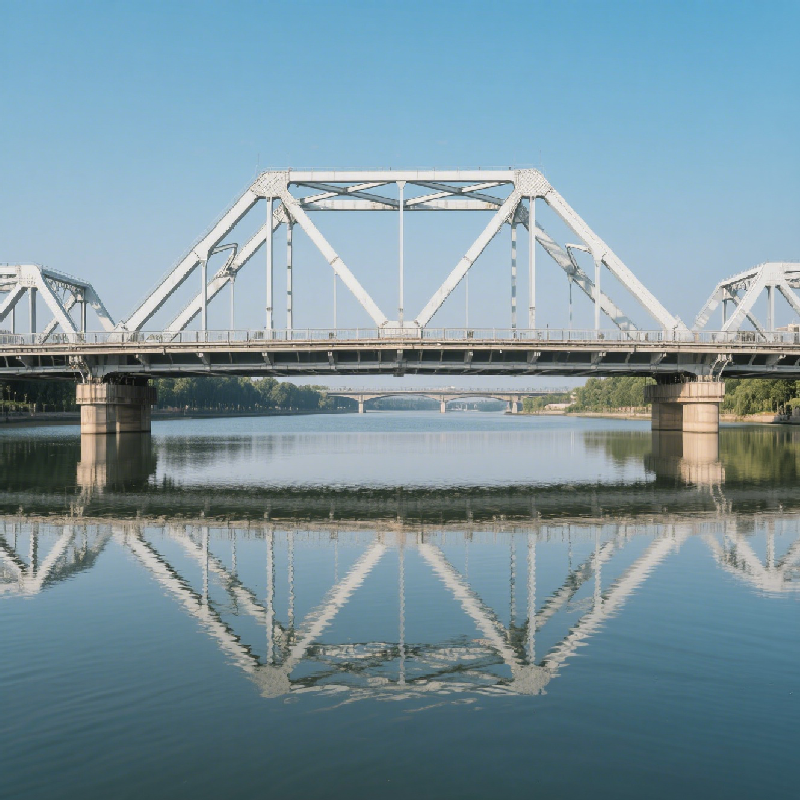
Alloy-enhanced steels: Cr–Cu–Ni–P synergy thresholds per ISO 14713-2:2020 for reliable passivation on marine bridge superstructures
Alloy-enhanced steels formulated to meet ISO 14713-2:2020 composition thresholds deliver predictable, long-term passivation in marine environments. The synergistic combination of chromium, copper, nickel, and phosphorus enables robust, self-repairing oxide film formation—even under chloride stress:
| Element | Minimum Threshold | Protection Mechanism |
|---|---|---|
| Cr | 0.8–1.1% | Stable oxide film formation and repair |
| Cu | 0.3–0.5% | Enhanced cathodic polarization resistance |
| Ni | 0.2–0.4% | Improved resistance to chloride-induced pitting |
Steel alloys that meet these standards keep corrosion rates under 0.1 mm per year when submerged in tidal zones, which is way better than what we see with regular carbon steel. What really sets these materials apart is their capacity to form new protective layers right at connection points and areas under stress. This feature becomes critically important for bridges over water where corrosion tends to concentrate and cause problems. Marine bridge superstructures face serious risks from this kind of localized damage, as it directly impacts how long the structure will last before needing repairs and compromises the overall safety margin built into the design.
Table of Contents
- Understanding Marine Corrosivity: Why Bridge Steel Faces Extreme Degradation in C5M Environments
- Optimizing Anti-Corrosion Coating Systems for Bridge Steel in Marine Conditions
- Surface Preparation Standards: Why SP10 Blast Cleaning Is Non-Negotiable for Bridge Coating Longevity
- Evaluating Corrosion-Resistant Steel Alternatives for Marine Bridge Applications