 EN
EN

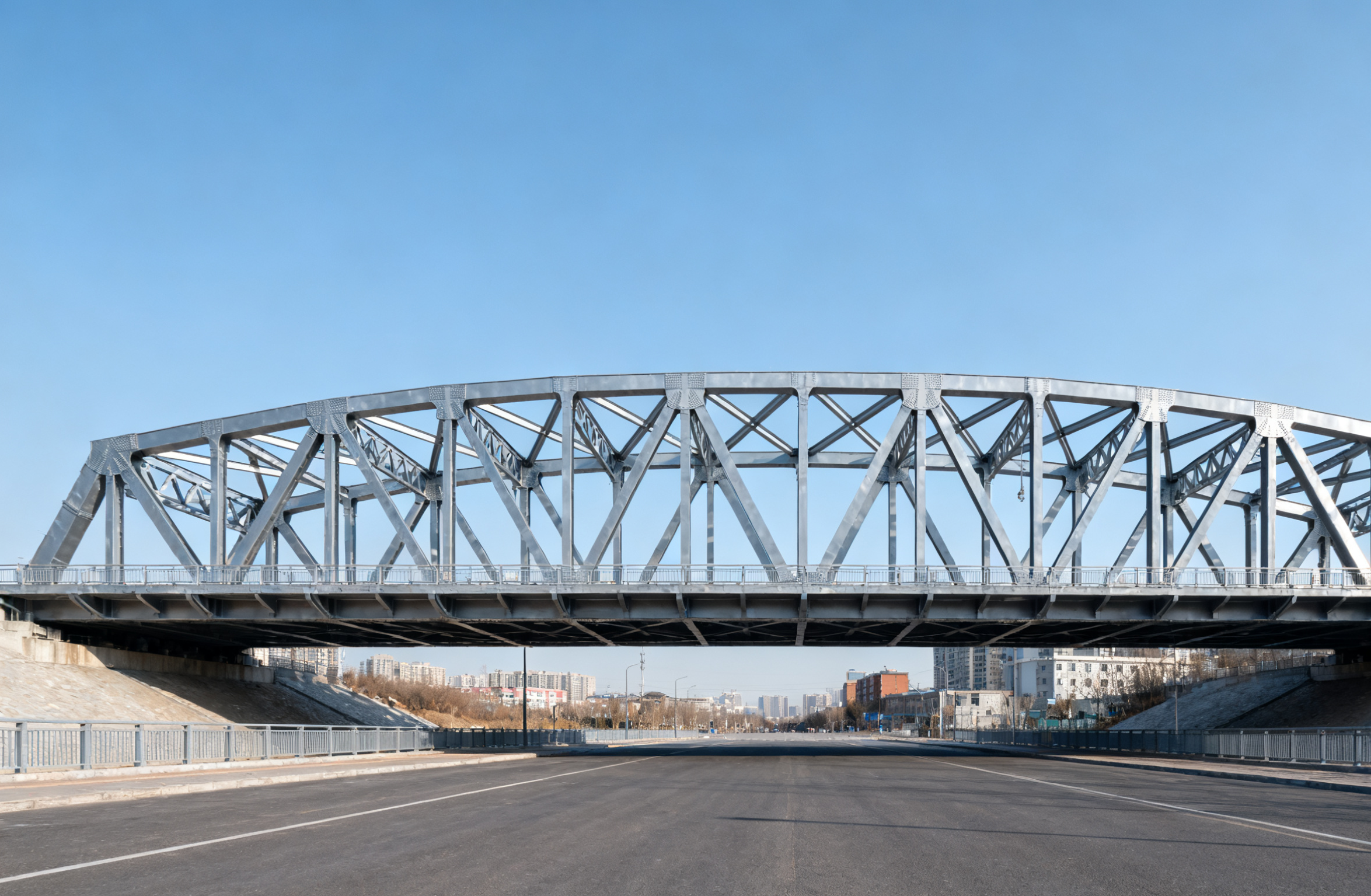
Unmatched Structural Performance for Modern Bridge Demands
Yield strength and fatigue resistance: How ASTM A709 Grade 100 steel doubles load capacity vs. conventional grades
ASTM A709 Grade 100 steel offers some pretty impressive structural capabilities compared to regular old Grade 50 steel. We're talking about a minimum yield strength of around 690 MPa which is actually double what we see in standard grades. The way this steel is made gives it much better resistance when dealing with those constant up and down forces structures face every day. Tests show it can last almost three times longer before showing signs of fatigue than older carbon steels when subjected to the same kind of repeated stress. For bridge designers and other civil engineers working on road projects, this means they can create longer spans between supports, cut down on how much foundation work needs to be done, and still handle today's heavier trucks and vehicles safely. What we end up with are roads and bridges that keep their shape and stay strong for many years even as vehicle weights increase and traffic keeps growing.
Real-world validation: The I-35W replacement bridge’s 1,200+ MPa tensile performance under 40,000 daily axle loads
Take the I-35W Mississippi River replacement bridge as proof that high performance steel works when it counts. The bridge was constructed with parts rated at over 1,200 MPa tensile strength, which means it handles around 40 thousand daily axle loads without showing any signs of wear. That's basically like having fifty fully loaded trucks rumbling across each minute nonstop. What's impressive too is how it holds up through Minnesota winters that dip below minus 30 degrees Celsius and summer heat pushing past 38 degrees. Most regular steel would start cracking under such temperature swings, but not this one. Engineers have checked on things regularly since construction finished, and they've never had to do any repairs related to metal fatigue. Pretty remarkable for something that carries so much weight day after day in such harsh conditions.
Extended Service Life and Environmental Resilience of Premium Bridge Steel
Galvanizing + weathering steel hybrids extend bridge service life to 120+ years—per FHWA 2023 lifecycle analysis
The combination of galvanized and weathering steel creates something entirely new in how we handle corrosion problems. When hot dip galvanizing provides instant protection against rust and weathering steel forms its own stable rust layer over time, these materials together last way longer than regular bridge coatings. Some tests show these hybrid systems can work for over 120 years, which is almost twice as long as what most bridges last today according to recent studies by the Federal Highway Administration in their 2023 report on material lifespans. What makes this so effective is that it stands up well against all sorts of harsh conditions. Think about salty air near coasts, pollution from factories, even those strong road salts used during winter maintenance that normally eat away at metal surfaces pretty quickly.
Looking at the economics makes sense too. According to FHWA numbers, these systems need around 60 to maybe even 80 percent less maintenance during their lifetime than what we see with traditional options. What does this actually mean? Well, there are simply fewer times when someone has to check them out. No more painting them again and again either. And most importantly, it cuts down on those expensive fixes needed when parts start wearing away. So while premium steel definitely performs better technically speaking, it also ends up being smarter money for government bodies looking after taxpayers' hard earned cash without breaking the bank.
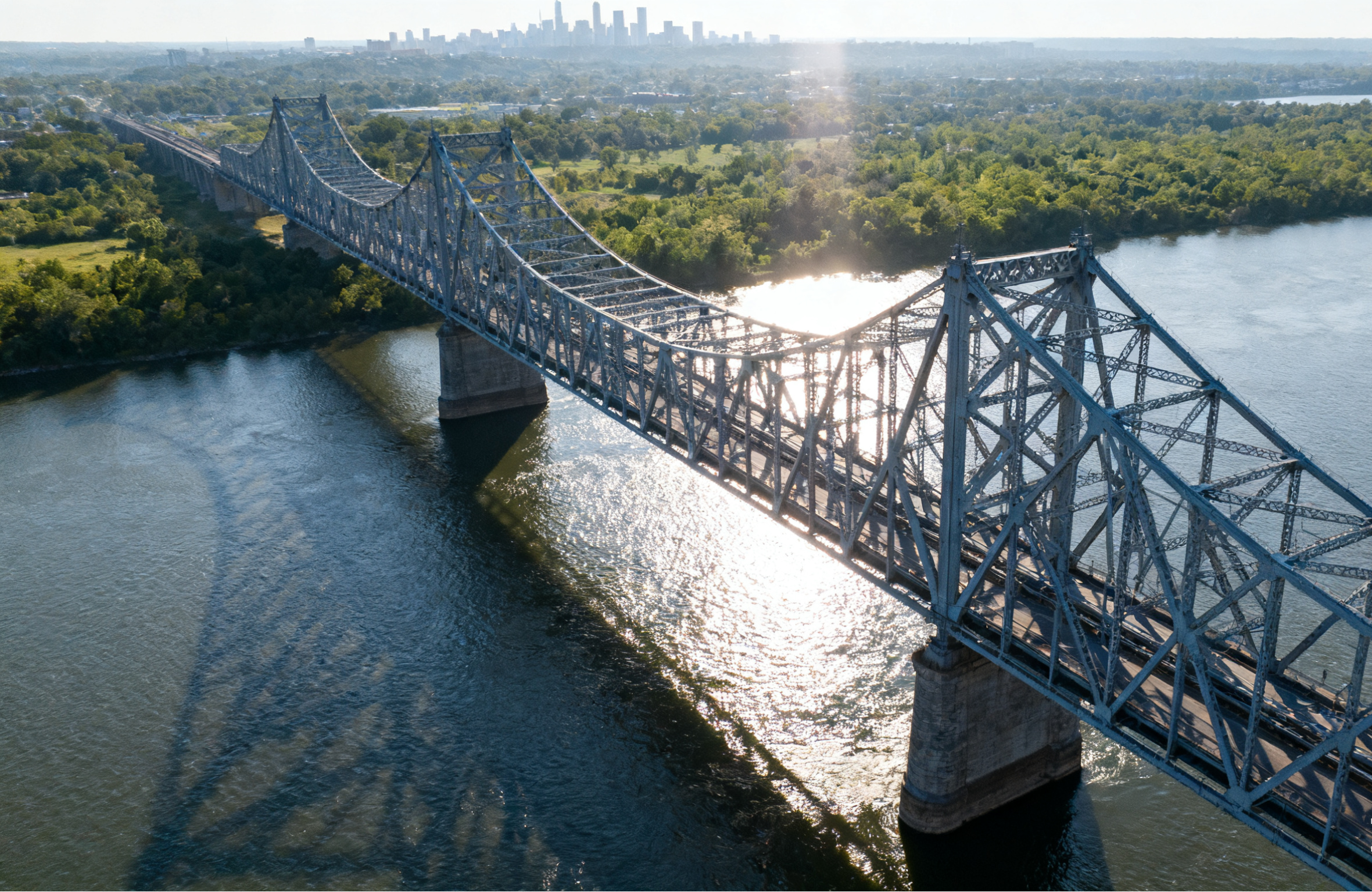
Long-Term Cost Efficiency Across the Bridge Lifecycle
30-year TCO comparison: High-quality steel bridges cut maintenance costs by 62% vs. concrete counterparts (ASCE 2022 study)
Steel bridges made with high strength materials actually save money over their entire lifespan. According to a recent report from ASCE in 2022, these structures cut down on maintenance costs by around two thirds over thirty years when compared to similar concrete bridges. Why does this happen? Well, steel just handles harsh conditions better. It doesn't degrade as quickly during freeze thaw cycles, stands up to chemicals much longer, and resists wear and tear more effectively. Plus there's another benefit nobody talks about enough: because steel components can be manufactured separately, engineers can replace only what needs fixing rather than tearing down whole sections for reconstruction. That makes a big difference in both cost and downtime.
Accelerated construction timelines: Modular steel erection reduces bridge project duration by 45%, lowering financing and traffic disruption costs
Steel modular construction can cut down project time by around 45% compared to traditional approaches according to recent transportation studies. Faster completion brings real money savings in two main ways first, there's less interest building up on loans for construction projects second, cities avoid those costly fines from keeping traffic backed up too long. Looking at numbers from the Federal Highway Administration, towns actually pocket about $18k each day per lane while replacing bridges if they go with pre-made steel components instead of on-site work. Another big plus comes from shifting complicated building tasks away from busy roads into safe factory settings where workers aren't exposed to dangerous conditions and product quality stays consistently high throughout manufacturing. All these factors together explain why more contractors are turning to steel solutions despite what some might think about old fashioned construction methods.
Regulatory Compliance, Safety Certification, and Seismic Resilience for Public Bridge Infrastructure
Mandatory third-party certification gaps: Only 37% of non-AISC-certified fabricators meet seismic ductility thresholds per NIST 2024 audit
When it comes to seismic safety, third party certification isn't just recommended it's pretty much required these days. The AISC certification from the American Institute of Steel Construction checks whether fabricators can handle those strict ductility requirements. What does that mean? Simply put, steel parts need to bend and twist without breaking when earthquakes hit hard. Recent findings from NIST in 2024 show a worrying trend: just 37% of fabricators without AISC certification actually met basic ductility standards. That leaves buildings and bridges vulnerable to catastrophic failures during major quakes. Getting certified involves quite a bit of work for fabricators including material tests, qualified welding procedures, and regular process inspections. All this ensures steel components will behave exactly as designed even when subjected to intense shaking. Municipalities and other public bodies looking to follow FHWA resilience rules should make AISC certification mandatory. Beyond regulatory compliance, this approach protects communities by reducing the risk of structural failures during seismic events.