 EN
EN

How Prefabrication Drives Predictable, Accelerated Schedules
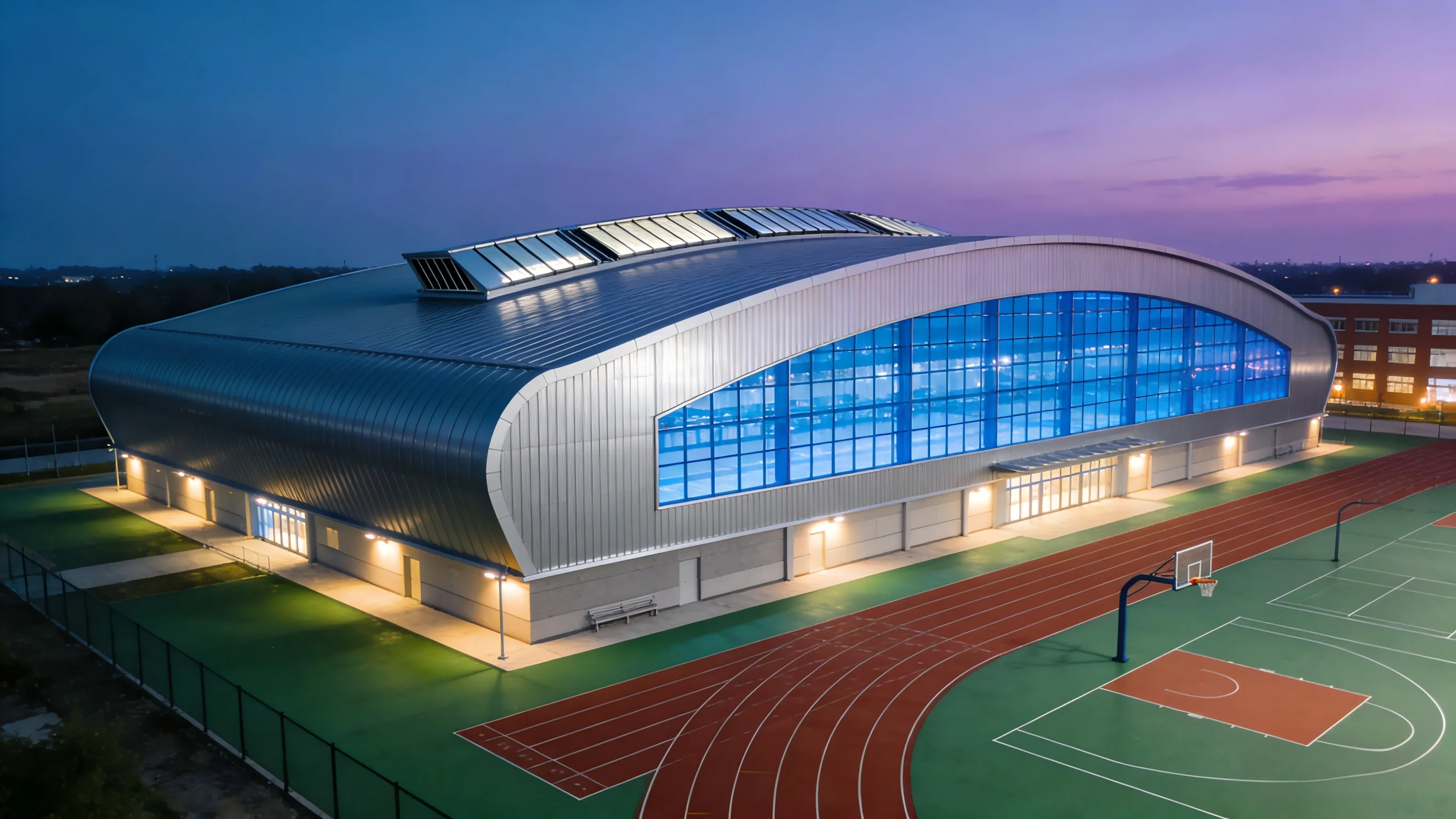
The core advantage of a prefabricated strategy is the transformation of a linear, sequential process into a synchronized, parallel workflow. Unlike traditional construction—where each phase must wait for the previous one to conclude—prefabrication enables site work and component production to occur simultaneously. This eliminates idle time across the project lifecycle: while foundation excavation begins on-site, steel framing is already being precision-cut and welded in the factory. This overlap is not merely a scheduling convenience—it’s a strategic re-engineering of the timeline that converts weeks of sequential waiting into days of concurrent progress, establishing predictability from day one.
Standardized design-to-fabrication workflows cut design-to-commissioning cycles by up to 40%
Acceleration is powered by early integration of standardized design-to-fabrication workflows. When prefabrication is adopted during conceptual design, specifications lock in sooner, allowing manufacturing to begin before site preparation is complete. This compresses the entire design-to-commissioning cycle by up to 40% (LeanIPD, 2023). Factory-based production leverages precision automation unavailable in the field—reducing material waste, eliminating weather-related variability, and ensuring components meet exact tolerances. The result is a seamless handoff from digital model to factory floor to rapid on-site assembly—turning construction into a predictable, logistics-driven operation.
Data insight: 'prefabricated' as the strongest predictive keyword for timeline compression across 12 infrastructure case studies
Analysis of 12 major infrastructure projects confirms that “prefabricated” is the strongest predictive keyword for documented schedule compression. Projects with prefabricated structural cores achieved 30–50% shorter overall durations versus traditional counterparts. This reliability stems largely from near-total elimination of weather-related delays: factory-controlled production delivers 98% schedule adherence, compared to just 63% on conventional sites (Prefab Steel Pro, 2023). For a $5 million project, every 10 weeks shaved off the schedule saves approximately $77,000 in financing costs alone. These outcomes position prefabrication not as an alternative method—but as the definitive risk-management tool for on-time delivery.
Off-Site Manufacturing: Eliminating Weather and Site Constraints
Traditional construction timelines are inherently fragile—vulnerable to rain, snow, and extreme temperatures that halt on-site progress for days. Moving critical structural work to climate-regulated factories severs this dependency. There, fabrication proceeds uninterrupted year-round, transforming a weather-exposed sequence into a resilient, parallel workflow. While foundations are poured on-site, the steel skeleton is engineered off-site—compressing schedules by up to 30%. Crucially, this shift isn’t just about avoiding downtime; it reshapes sequencing, quality, and sustainability. McGraw-Hill Construction reports a 92% reduction in weather-related delays (2023), alongside a 52% average reduction in material waste. The outcome is a pre-assembled kit of parts arriving ready for immediate, error-resistant installation—removing rework and delay risk from the critical path.
Rapid On-Site Assembly of Prefabricated Steel Components
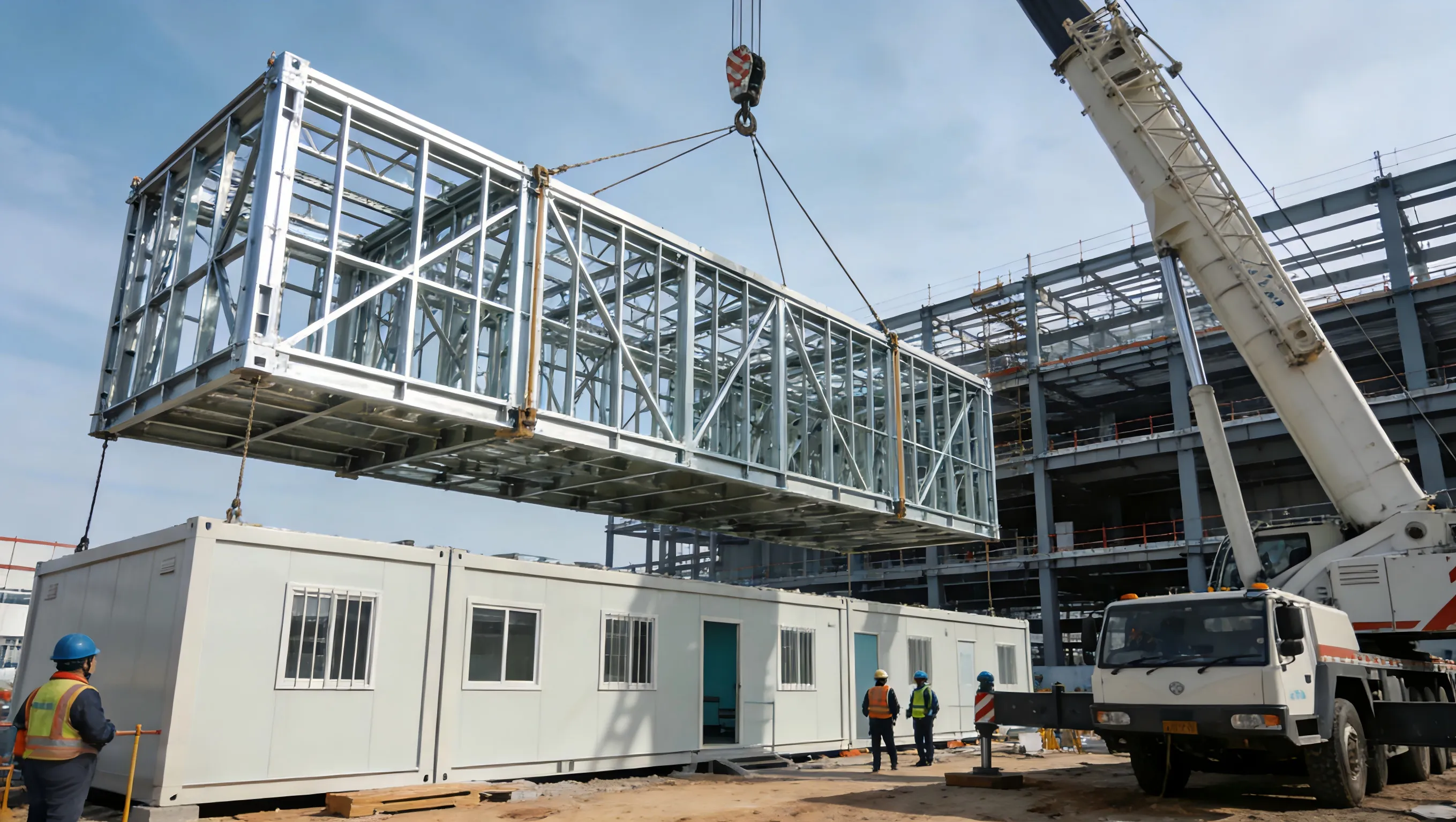
The final phase delivers the most visible acceleration: months of off-site work condense into days of on-site erection. Success hinges on synchronized just-in-time logistics and crane-assisted modular stacking. Components arrive in precise installation order—not bulk shipments—eliminating on-site sorting, staging, and re-handling. Cranes lift heavy, precision-fabricated elements directly from transport and place them into final position. Standardized bolted connections allow crews to erect columns in minutes, not days. This orchestrated process transforms chaotic job sites into disciplined assembly lines—reducing on-site labor hours by up to 65% (Industry Analysis, 2023). The work shifts from crafting to connecting, stripping away time, personnel, and weather dependencies that typically constrain the critical path.
Proven Timeline Reduction Across Building Types and Scales
Prefabricated steel construction consistently delivers 30–50% schedule reductions across diverse project types—from warehouses and retail centers to schools and healthcare facilities. Simultaneous factory fabrication and site prep break linear dependencies, while bolted connections and crane-assisted assembly eliminate concrete curing delays. The result is earlier occupancy, lower financing costs, and faster revenue generation. Whether for a single-story shell or a multi-story office complex, this method’s speed and reliability have been validated in hundreds of global projects—making it a strategic imperative for developers prioritizing certainty without compromise on quality.
FAQs
How does prefabrication accelerate construction schedules?
Prefabrication transforms a linear process into a parallel workflow, allowing site preparation and component production to occur simultaneously. This strategic overlap drastically reduces idle time and accelerates project timelines.
How does prefabrication reduce weather-related delays?
Critical structural work is moved to climate-controlled factories, eliminating dependencies on weather conditions and ensuring continuous production throughout the year.
What types of projects benefit from prefabrication?
Prefabrication is effective across diverse building types, including warehouses, retail centers, schools, healthcare facilities, and office complexes, delivering 30–50% schedule reductions.
What are the financial benefits of prefabrication?
By compressing schedules, prefabrication reduces financing costs and enables faster revenue generation through earlier occupancy.
How is quality maintained in prefabricated construction?
Factory-based production uses precision automation, ensuring components meet exact tolerances and reducing material waste, rework, and errors.