 EN
EN

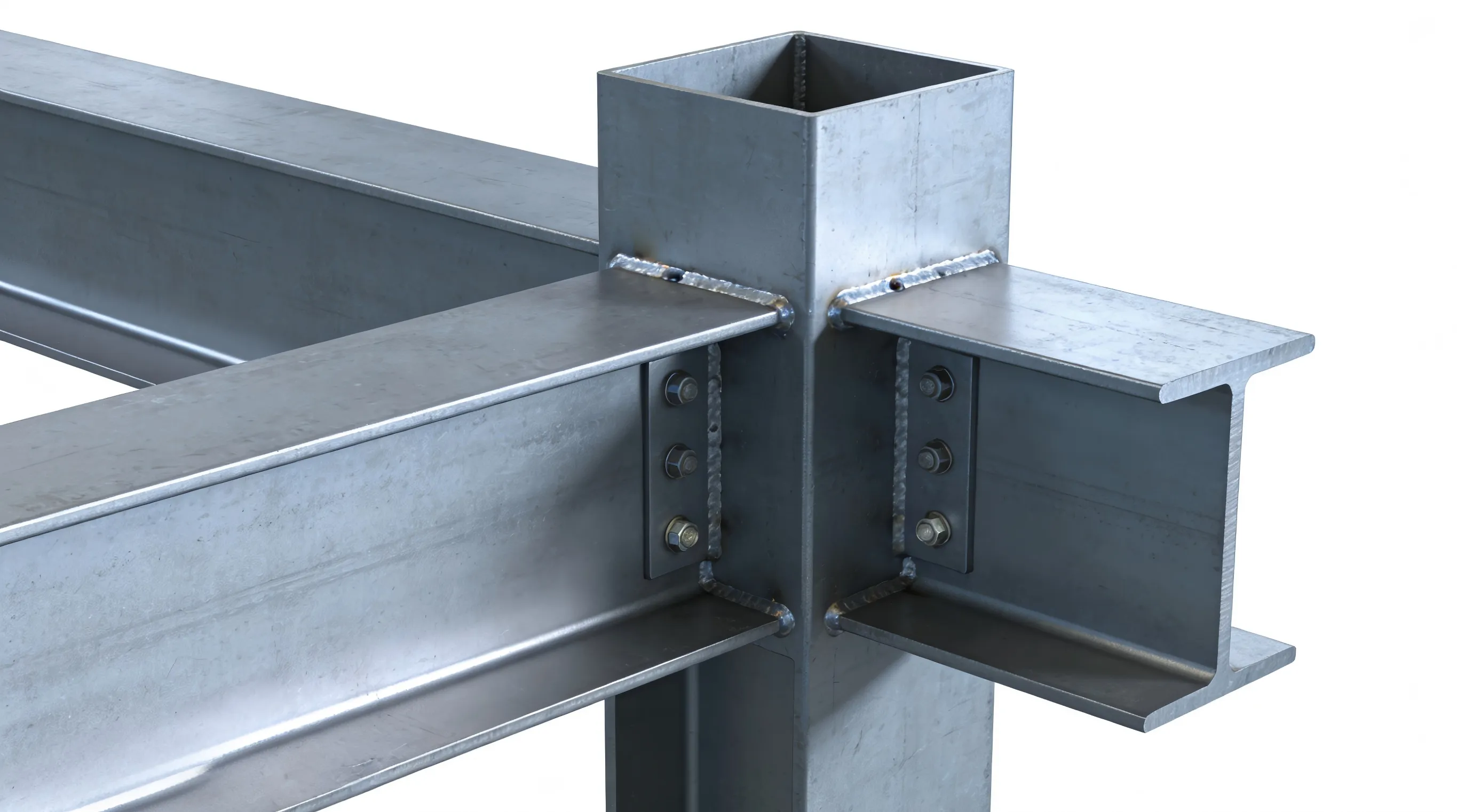
Waste Reduction Through Off-Site Fabricated Steel Production
Precision Engineering Minimizes Material Overrun
Traditional on-site construction routinely discards 10–15% of materials due to over-ordering, cutting errors, and weather damage. Off-site fabricated steel production eliminates much of that waste through computer-aided design and automated manufacturing: components are cut, drilled, and welded to exact specifications, leaving near-zero offcuts. Industry data show precision fabrication can reduce material waste to under 3% of total steel tonnage—well below the 15–20% typical in conventional builds. The controlled factory environment also allows leftover steel to be sorted and reintroduced into the production stream rather than landfilled. This disciplined approach conserves raw materials, cuts embedded energy use, and lowers transportation emissions tied to replacing wasted stock. For developers, it delivers tighter budget control and reduced disposal costs—making fabricated steel both economically and environmentally lean.
On-Site Waste Cuts: Evidence from LEED-Certified Fabricated Steel Projects
Shifting steel assembly to a factory dramatically shrinks on-site waste volume. LEED-certified projects using fabricated steel systems consistently report sharp reductions in construction debris—up to 90% less on-site waste compared to traditional methods, with several achieving landfill diversion rates above 95%. Because steel arrives as a ready-to-assemble kit, there is no on-site cutting or grinding, eliminating the scrap piles common in stick-built construction. These gains directly support LEED credits for construction waste management and low-impact site practices. The streamlined erection process also shortens schedules, reducing the duration of dust, noise, and vehicle emissions on-site. When combined with steel’s inherent recyclability, off-site fabrication transforms a typical waste stream into a near-closed loop—advancing the circular economy goals embedded in modern green building standards.
Fabricated Steel’s Role in the Circular Economy
Infinite Recyclability Without Degradation
Steel’s atomic structure remains unchanged through recycling, enabling fabricated components to be melted and reformed infinitely without loss of strength or quality. As the world’s most recycled material, structural steel achieves a recycling rate exceeding 90% (World Steel Association, 2023). Using scrap as primary feedstock in electric arc furnace (EAF) production cuts energy consumption by 60–74% and CO₂ emissions by up to 58% versus primary production. Unlike many materials that downcycle, steel maintains its original properties across generations—supporting a permanent materials loop. In fabricated steel operations, shop scrap recovery rates routinely exceed 98%, ensuring near-zero material loss (AISC, 2023). Fabricated steel thus embodies a truly circular flow: end-of-life components become high-grade feedstock for next-generation structures, decoupling economic growth from resource depletion.
Closed-Loop Reuse: From Demolition to Re-Fabrication
Beyond recycling, fabricated steel enables higher-value circularity through direct reuse of structural members. Deconstructed beams, columns, and connections can be inspected, cleaned, and re-fabricated for new buildings without remelting—saving up to 95% of the embodied energy required for recycling (BCCA, 2021). Bolted connections facilitate disassembly, allowing entire framing systems to be inventory-tagged and re-engineered for future use. Projects like the UK’s “Steel Reuse” demonstration confirm this viability. A 2020 Dutch case study found that 87% of a deconstructed steel-framed office building was directly reused in a new residential project—slashing upfront carbon emissions by 40%. By designing for deconstruction, fabricated steel structures become material banks, transitioning seamlessly from demolition to re-fabrication in a closed-loop cycle.
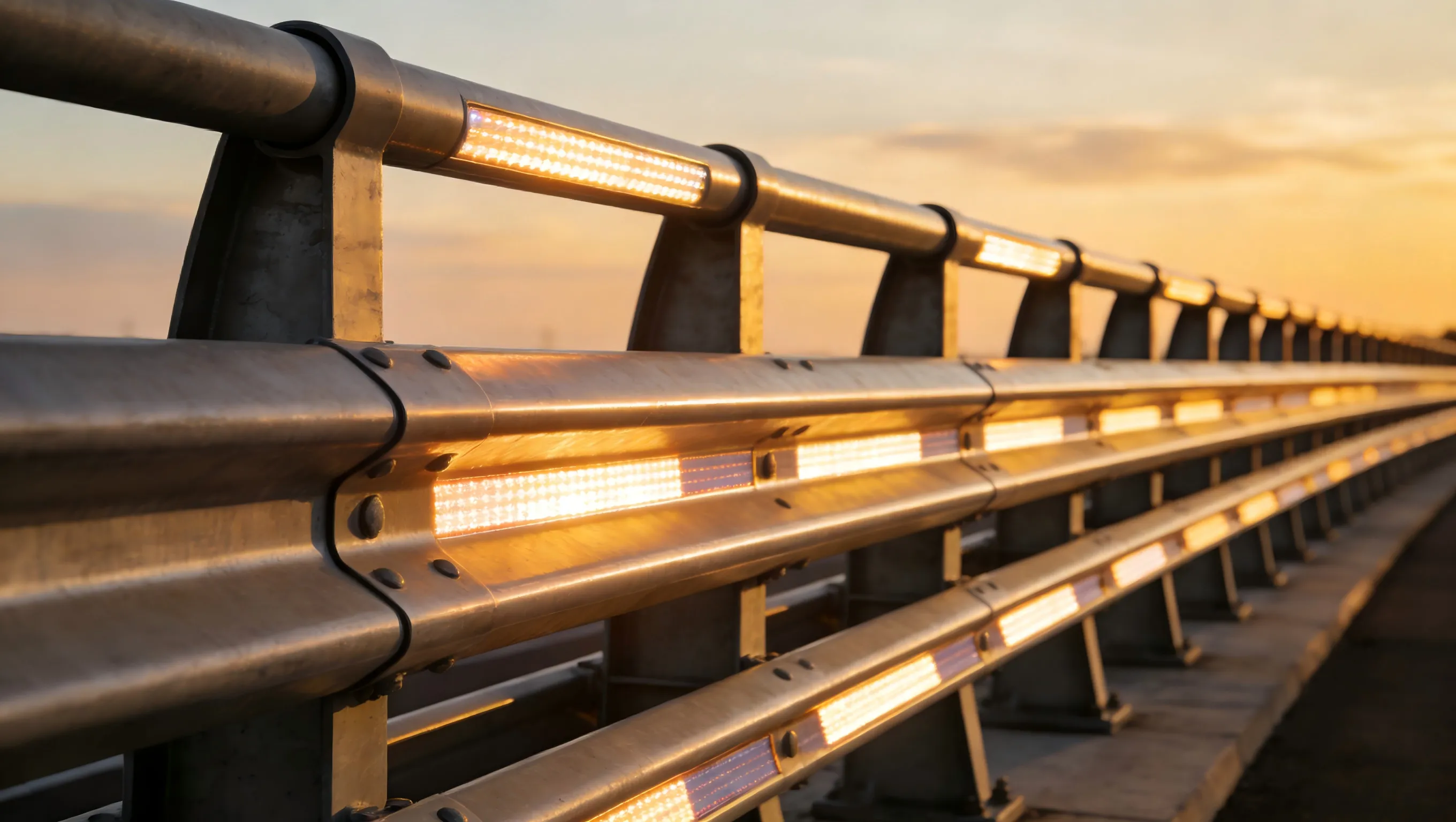
Lower Embodied Carbon in Fabricated Steel Systems
Recycled Content Cuts Embodied Carbon by 55–75%
Fabricated steel leverages high recycled content to significantly lower embodied carbon. Electric arc furnace (EAF) technology—which processes recycled scrap—emits up to 75% less CO₂ than traditional basic oxygen furnaces (BOF). EAF steel produces 0.68 metric tons of CO₂ per ton, compared to 2.33 tons for BOF steel. In the U.S., 70% of steel already comes from EAFs. Life cycle assessments confirm that such high recycled content reduces the overall embodied carbon of fabricated steel systems by 55–75%, depending on product specifications and supply chain logistics—making EAF-based fabricated steel a preferred choice for low-carbon construction.
Emerging Decarbonization: Hydrogen DRI and Electrified EAFs
Beyond current EAF gains, the steel sector is advancing hydrogen direct reduced iron (DRI) to eliminate coal from primary steelmaking. When paired with EAFs powered by renewable electricity, this pathway can achieve near-zero operational emissions. Pilot projects have already demonstrated hydrogen DRI’s technical viability, and several fabricated steel suppliers are investing in fully electrified EAFs running on 100% renewable energy. As hydrogen DRI scales, it has the potential to cut steelmaking emissions by more than 90%—reinforcing fabricated steel’s role in climate-resilient, net-zero-aligned construction.
Extended Service Life and Adaptive Reuse Benefits
The inherent durability of fabricated steel systems extends building service life far beyond conventional alternatives—often exceeding a century with proper maintenance. Steel resists degradation from pests, rot, corrosion (when specified), and seismic forces more effectively than wood, masonry, or concrete. This longevity amortizes the embodied energy and resources invested in initial construction over a much longer period—a stark contrast to structures requiring major rehabilitation or replacement every few decades.
Beyond longevity, fabricated steel’s properties make it uniquely suited for adaptive reuse—a strategy that fundamentally reduces construction’s environmental footprint. Its high strength-to-weight ratio enables vertical expansion (e.g., adding floors) without overloading foundations; its long-span capabilities allow complete interior reconfiguration to meet evolving occupancy needs. A former industrial warehouse, for example, can be transformed into modern offices, residential lofts, or community centers—all while retaining the original structural skeleton. This preserves the embodied carbon of the existing structure and avoids the waste, dust, and emissions of demolition and new site work. Crucially, the modular, bolted nature of modern steel connections supports disassembly, reorganization, or even relocation of components—turning the building into a reusable kit of parts rather than a static monument.
FAQ Section
What is off-site fabricated steel production?
Off-site fabricated steel production involves manufacturing steel components in a controlled factory environment using precision engineering and automated technologies. This reduces material waste and simplifies on-site assembly.
How does fabricated steel contribute to waste reduction?
Fabricated steel reduces waste by cutting, drilling, and welding components to exact specifications, minimizing offcuts. Leftover steel is also sorted and reused within the production process, avoiding landfill disposal.
Is fabricated steel recyclable?
Yes, steel is infinitely recyclable without degradation. Recycled steel maintains its strength and quality, supporting a circular economy with a recycling rate exceeding 90%.
What is the circular economy role of fabricated steel?
Fabricated steel enables infinite recyclability and direct reuse of structural components, minimizing energy consumption and carbon emissions while supporting sustainable construction practices.
How does fabricated steel lower embodied carbon?
Fabricated steel uses high recycled content and electric arc furnace (EAF) processes, reducing CO₂ emissions by up to 75% compared to traditional steelmaking methods. Emerging technologies like hydrogen DRI promise further decarbonization.
Can fabricated steel buildings adapt to different uses?
Yes, fabricated steel’s durability and modular design allow structures to be repurposed, expanded, or reorganized, reducing environmental impacts and preserving embodied carbon.