 EN
EN

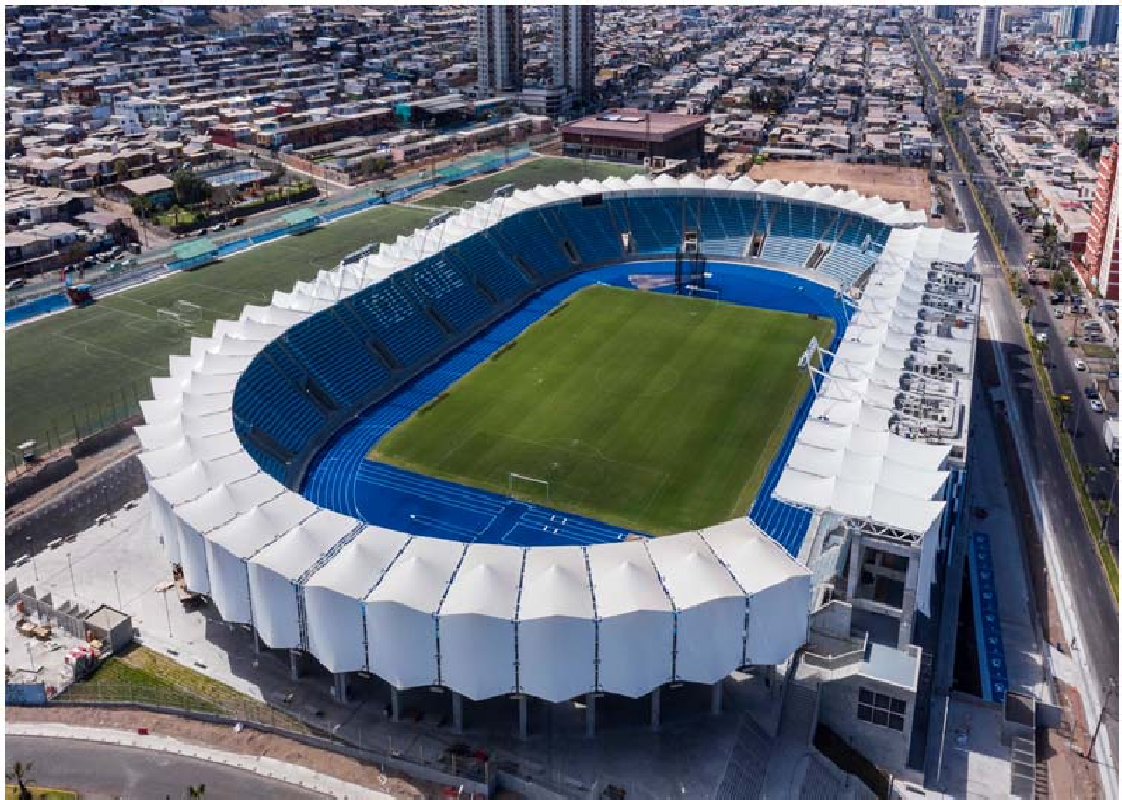
How Modular Steel Construction Cuts Stadium Build Time by 40–60%
Parallel Workflow: Off-Site Steel Fabrication While Foundations Are Poured On-Site
Modular steel construction slashes stadium build schedules by enabling simultaneous off-site fabrication and on-site preparation. While crews pour foundations at the venue, factories manufacture precision-engineered structural components in climate-controlled environments. This parallel workflow eliminates the sequential delays inherent in traditional construction—where foundation work must fully conclude before steel erection begins—allowing 97–98% of structural work to progress concurrently with site preparation.
Industry analyses confirm this approach reduces overall project timelines by 40–60% compared to conventional methods. Key advantages include weather immunity—avoiding 15–20 annual weather delay days (Construction Industry Institute, 2023), 30% fewer on-site labor days due to pre-assembled modules, and superior quality control from welding and priming performed under consistent factory conditions.
Case Study: Major European Stadium’s Phased Module Integration and Timeline Compression
A prominent European football stadium demonstrated modular construction’s timeline advantages through strategic phased integration. During the 8-month foundation phase, steel trusses and seating modules were manufactured off-site and pre-tested. Crews then installed them in sequenced stages, compressing the superstructure phase by 47% versus traditional methods. Integrated BIM coordination enabled just-in-time module delivery—eliminating storage bottlenecks and reducing crane operation costs by 18%. The result was accelerated readiness for the inaugural season, even amid tight urban site constraints and ambitious architectural goals.
Cost Savings in Stadium Projects Through Modular Steel Systems
Predictable Budgeting: Up to 25% Lower Total Cost vs. Cast-in-Place Alternatives
Modular steel systems deliver up to 25% lower total project costs than traditional cast-in-place concrete, according to industry studies. This stems from three interlocking efficiencies: factory-controlled fabrication minimizes material waste by 18–30% through precision cutting and inventory management; reduced on-site labor requirements cut workforce expenses by 25–40%; and concurrent workflows allow foundation work to proceed while components are being manufactured.
These efficiencies translate into predictable budgeting models: 73% of modular stadium projects finish within 5% of initial estimates, versus just 41% of conventional builds. Crucially, this predictability helps stakeholders avoid the compounding cost impacts of schedule slippage—a primary driver of overruns in traditional stadium construction, where 68% of projects exceed timelines.
Reduced Labor, Rework, and Weather-Related Delays via Factory-Controlled Fabrication
Factory-controlled fabrication dramatically reduces weather-related delays—by 60–80%—and eliminates 90% of weather-induced rework. Automated quality controls cut defect rates fourfold, while skilled labor dependency falls by 35%. These outcomes collectively prevent the cascading delays that erode budgets in conventional builds. Unlike open-air casting or field-welding, indoor production ensures consistent execution, reinforcing both schedule reliability and long-term structural integrity.
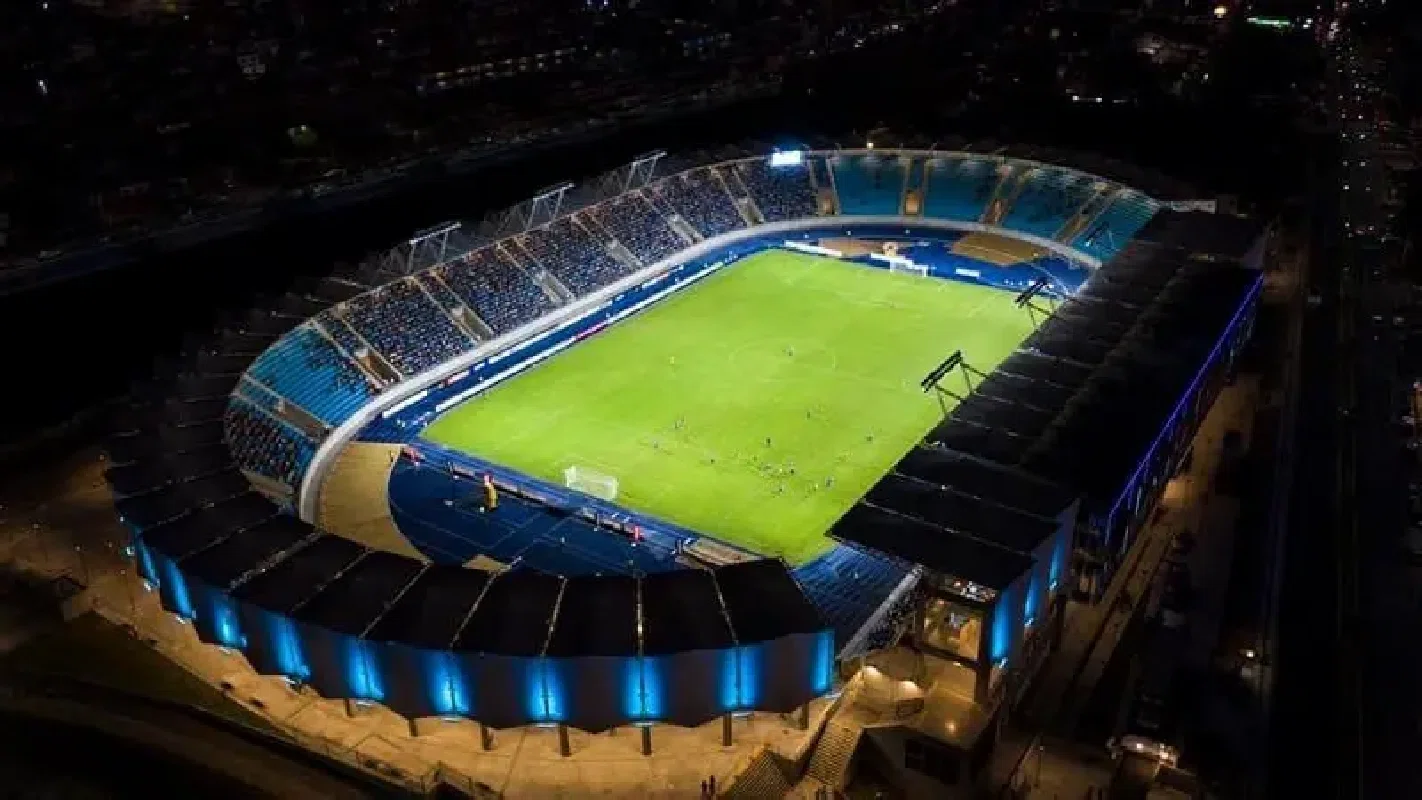
BIM-Driven Prefabrication: The Strategic Engine Behind Efficient Stadium Delivery
Global Adoption of ISO-Compliant Prefab Modules for Scalable Stadium Infrastructure
Standardized, ISO-compliant prefabricated steel modules are now deployed across five continents for stadium infrastructure—enabling rapid scalability without compromising quality or safety. A 50,000-seat venue, for example, can reuse identical structural units across tiers and zones, reducing design conflicts by 78% compared to site-cast alternatives (2023 industrial engineering analysis). Building Information Modeling (BIM) serves as the central coordination platform: digital twins verify measurements to within 2mm tolerances before fabrication begins, ensuring fit-for-purpose components arrive ready for assembly. Rigorous factory testing further guarantees compliance with international safety standards—including ISO 3834 for welding quality and EN 1090 for structural steel execution.
Just-in-Time Delivery Enabled by Integrated BIM and Modular Steel Supply Chains
Advanced BIM integration synchronizes manufacturing schedules with on-site assembly sequences, transforming supply chain logistics into a precision-driven operation. Real-time data sharing between fabricators, logistics providers, and construction teams enables deliveries within precise 48-hour windows—eliminating costly on-site storage and reducing crane idle time by 60%. Simultaneous transportation of pre-assembled sections—such as roof trusses and seating terraces—allows foundation work and superstructure erection to occur concurrently. This integrated flow shortens equipment rental periods and removes bottlenecks endemic to traditional stadium delivery models.