 EN
EN

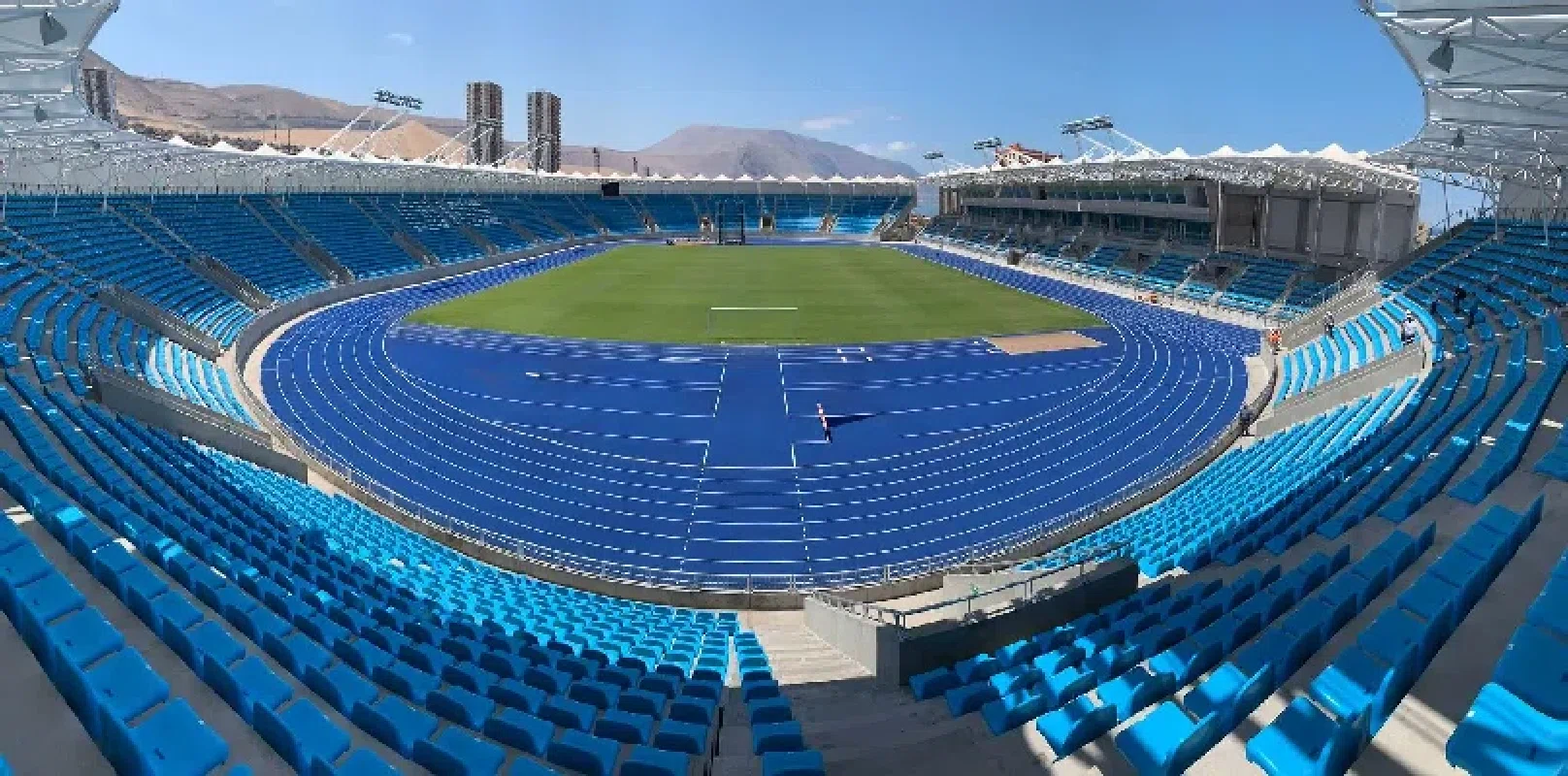
Sightline Optimization in Stadium Steel Structure Design
Bowl Geometry and Tiered Seating: Applying C-value and R-value Standards for Unobstructed Views
Bowl geometry and tiered seating fundamentally shape spectator experience. By applying the C-value (vertical sightline clearance) and R-value (row spacing) standards—cornerstones of sightline engineering—designers mathematically ensure unobstructed views across all seating tiers. The C-value equation, C = (D × (N + R)) / (D + T) - R, integrates horizontal distance to the field (D), riser height (N), focal point elevation (R), and seating depth (T). Through iterative 3D modeling, designers optimize these variables to maintain a minimum 90 mm C-value—meeting FIA Category 1 and ISO 20109 requirements for clear line-of-sight over spectators in front. R-value guidelines further prevent angular obstructions by dictating optimal row-to-row spacing. This precise orchestration yields the signature “bowl effect,” where increasing steepness toward upper tiers improves average viewing angles by 15–25° compared to flat configurations.
Cantilevered Steel Roofs and Column-Free Zones: Maximizing Sightlines Through Structural Innovation
Structural steel enables transformative sightline solutions via cantilevered roofs and column-free designs. Its exceptional strength-to-weight ratio allows roof loads to be transferred outward through triangulated trusses—achieving column-free spans exceeding 200 meters. These systems shelter up to 80% of seats while eliminating visual barriers, reducing view obstructions by 92% versus traditional column-supported structures. Key innovations include tubular space frames that support tier overhangs up to 40 rows deep; variable-depth trusses adaptable to asymmetric bowl geometries; and slender, low-profile steel connections positioned away from critical eye-level zones to minimize visual bulk. When integrated with C- and R-value–driven seating layouts, these structural strategies deliver both FIA Category 1 compliance and resilience under dynamic crowd loading—capabilities difficult to achieve with concrete-dominant alternatives.
Acoustic Performance of Stadium Steel Structures
Steel Surface Behavior: Reflection, Diffusion, and Absorption in Open-Air and Retractable-Roof Stadiums
Steel’s acoustic behavior is defined by high reflectivity, low inherent absorption (α = 0.05–0.1 at 1000 Hz), and tunable diffusion. In open-air stadiums, exposed steel surfaces reflect mid-to-high frequency sound (500–4000 Hz), amplifying crowd energy by 3–5 dB but risking echo buildup. Retractable-roof venues exhibit more complex acoustics: closed configurations increase reverberation time by 40–60% due to sound containment and repeated reflections off steel surfaces. Strategic perforation patterns in steel panels can introduce 15–30% diffusion—scattering wavefronts to mitigate harsh echoes—while mineral wool composites bonded to structural members raise absorption coefficients to α = 0.7–0.9. This hybrid approach—leveraging steel’s reflectivity where beneficial and supplementing it where needed—is essential for consistent acoustic performance across operational modes.
Balancing Clarity and Energy: When Steel Enhances vs. Compromises Speech Intelligibility in Stadium Environments
Steel’s acoustic duality directly impacts speech intelligibility, measured by the Speech Transmission Index (STI). While its efficient reflection boosts perceived crowd loudness by ~20% in enclosed settings—enhancing atmosphere—it also risks degrading announcement clarity, particularly in the critical 2000–5000 Hz speech band where steel reflectivity peaks. Research indicates that reverberation times exceeding 2.5 seconds reduce word recognition by 35–50% in upper-tier seating. Successful stadium designs resolve this tension through targeted interventions: absorption applied at primary reflection points (e.g., soffits, fascias), angled steel baffles that steer speech energy into the bowl, and integrated damping systems. When calibrated holistically, these measures enable STI ratings >0.6—meeting ISO 3382-2 benchmarks for good intelligibility—without sacrificing the energetic resonance that defines live stadium experiences.
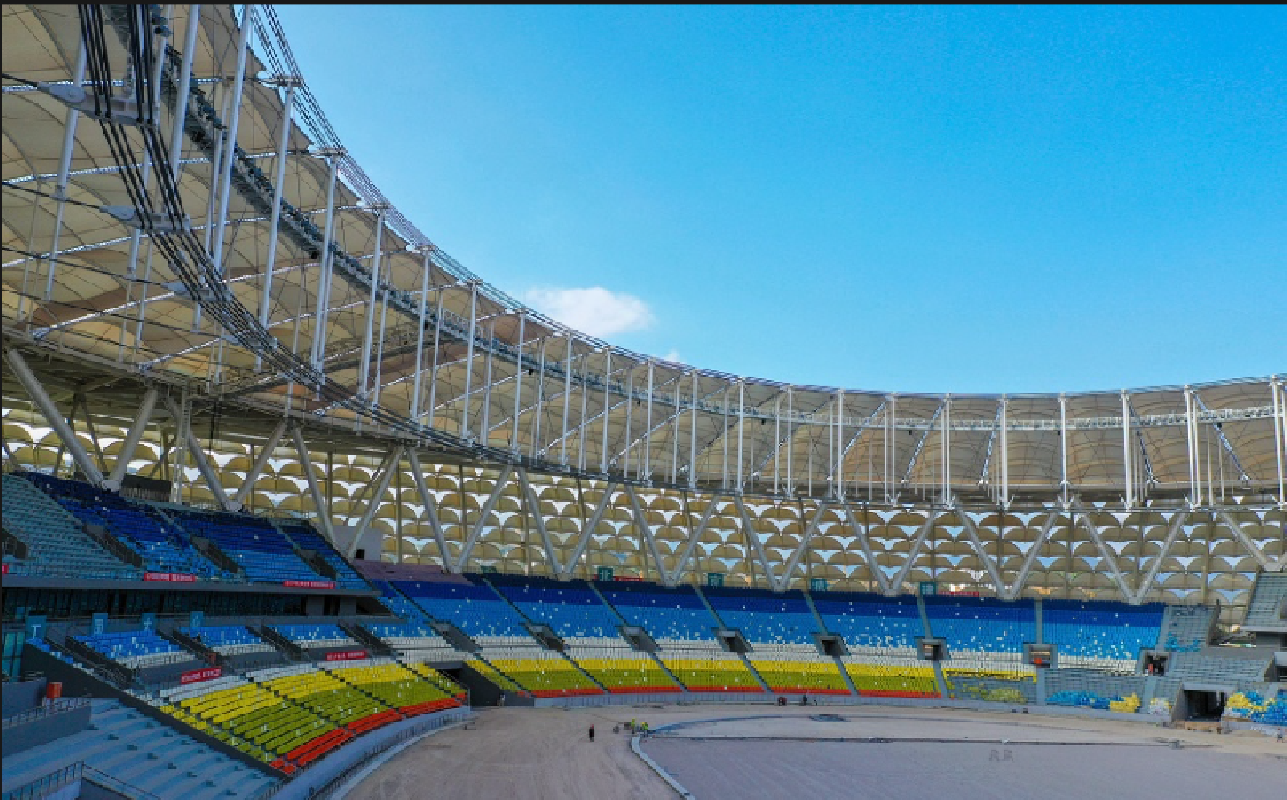
Integrated Digital Workflow for Stadium Steel Structure Design
BIM-Coordinated Sightline Validation and Ray-Tracing Acoustic Simulation
Modern stadium design relies on an integrated digital workflow anchored in Building Information Modeling (BIM), where sightline validation and acoustic simulation converge in a single coordinated environment. Engineers embed C-value and R-value constraints directly into the parametric 3D model to automatically flag obstructed seats across all tiers. Simultaneously, ray-tracing acoustic engines analyze how steel surfaces reflect, diffuse, or absorb sound under varying conditions—open-air, partially closed, or fully enclosed roof modes. This co-simulation uncovers interdependencies early: for example, a cantilever support node may simultaneously breach upper-tier C-value thresholds and create a strong reflection path that degrades STI in premium seating. Resolving such conflicts digitally—not during construction—avoids costly rework and ensures both visual and acoustic performance meet international venue standards, including FIA Category 1, ISO 20109, and ISO 3382-2.
Material and Detailing Strategies for Stadium-Specific Steel Performance
Optimizing steel for stadium use demands material selection and detailing informed by decades of real-world performance data. High-strength steels like Q460 enable longer cantilevers and deeper overhangs—critical for column-free sightlines—while reducing structural weight by 20–30% versus S355-grade alternatives (Structural Engineering International, 2023). For corrosion resistance in aggressive open-air environments—especially coastal or high-humidity regions—hot-dip galvanizing or proprietary ceramic-polymer coatings extend service life beyond 40 years. Acoustic performance is advanced through perforated steel baffles and micro-textured surface finishes that promote diffusion without compromising structural integrity. Seismic resilience is built into connection design via ductile moment frames and slotted bolt holes that accommodate thermal expansion of up to 4 inches in large-span roofs. Together, these strategies deliver the stadium trifecta: visual clarity, acoustic fidelity, and century-scale durability—all achieved within lean, efficient steel frameworks.