 EN
EN

Low Embodied Carbon Through Recycled Steel and Clean Production
How recycled content reduces embodied carbon in steel structure
Recycled steel really helps cut down on the carbon footprint of buildings because it skips all those energy hungry steps like mining raw materials, processing ores, and doing that initial refining stuff. When we make steel from old scrap instead of fresh iron ore, it takes about two thirds less energy overall. And for every tonne of recycled steel produced, around 4.3 tonnes of CO2 emissions just disappear from the equation. These days most factories use electric arc furnaces which can recover over 90% of scrap metal. They turn whatever waste comes from consumers or industrial processes back into strong building materials that meet all safety standards. The whole recycling loop saves a lot too - roughly 40% less water gets used and there's an amazing 86% reduction in air pollution when compared to traditional blast furnaces. That makes recycled steel not just good for the environment but practically essential if we want to build sustainably without wrecking our planet.
Innovations in low-carbon steel production (hydrogen-based DRI, electric arc furnaces)
Electric arc furnaces, or EAFs for short, have become the main way to make structural steel while cutting carbon emissions. These furnaces create around 0.68 tonnes of CO2 for every tonne of steel produced, which is about 75% less than what old fashioned blast furnaces emit. And when run on renewable power sources like wind or solar, their emissions can get really close to zero. Taking things even further, there's hydrogen based direct reduced iron technology that replaces the coal typically used in steelmaking with clean green hydrogen. This process produces structural grade steel with just 0.24 tonnes of CO2 per tonne, an impressive 87% reduction compared to traditional methods. Several pilot projects have shown this works on a large scale, and interestingly enough, EAFs already account for roughly 70% of all steel made in the United States. As costs continue to drop for clean energy options across the country, these innovations help maintain steel's position as a reliable building material that stands up against climate challenges without sacrificing any of its important properties like strength or flexibility, nor does it fail to meet necessary safety regulations either.
Cradle-to-Cradle Lifecycle: Infinite Recyclability of Steel Structure
Steel structure’s 100% recyclability without quality loss
Steel stands out among materials because it can be recycled again and again without losing quality. When melted down, steel keeps all its important characteristics intact strength stays strong, ductility remains good, and weldability doesn't change even after multiple recycling cycles. Most buildings tear down old structures recover around 90% of their steel content for reuse in new projects. According to Steel Construction New Zealand (2023), nearly all new steel products actually contain about 93% recycled material already. What makes this possible? Well, steel's magnetic nature helps a lot during waste processing. Sorting facilities can easily separate steel from other debris using magnets, which explains why we recycle roughly 650 million tons of steel worldwide every year. This makes steel not just practical but also environmentally responsible choice for construction needs.
Life cycle assessment (LCA) evidence: lower environmental impact vs. concrete and timber
Rigorous cradle-to-grave LCAs consistently affirm steel’s sustainability advantage:
- Generates 72% less CO₂ than concrete per tonne of material (worldsteel, 2023)
- Requires 40% less energy to recycle than primary timber processing
- Achieves 93% recycling rates, versus concrete’s 20% (Journal of Cleaner Production, 2023)
The worldsteel Association's 2023 data shows steel’s circularity reduces landfill waste by 75% compared to composite alternatives solidifying its position as the optimal structural material for carbon-neutral construction.
Operational Sustainability: Energy Efficiency and Resilience
Steel buildings stand out when it comes to lasting performance because they save energy and hold up well during disasters. The exact measurements possible with steel work really well with modern insulation materials, which means buildings need about 40 percent less heating and cooling than standard constructions do. This cuts down on both greenhouse gases and monthly bills over time. Since most steel parts are made in factories before installation, the final structures tend to be much tighter against drafts. Fewer gaps between walls and floors means less heat escapes through those weak spots where different materials meet.
Steel doesn't just perform well in terms of energy efficiency either. Its impressive strength relative to weight allows buildings to stand up against earthquakes, powerful storms, and even heavy snowfall without needing major structural changes. When disasters strike, this kind of toughness means less rebuilding work is needed afterward something that saves both money and materials while keeping communities going during tough times. Studies show that structures built with steel frames can get back to normal operation about 60 percent quicker than other building types following severe weather incidents. That makes steel an important material choice for creating infrastructure that can handle whatever nature throws at it, all while supporting long term sustainability goals.
Circular Economy Enablers: Prefab, Reuse, and Design for Deconstruction
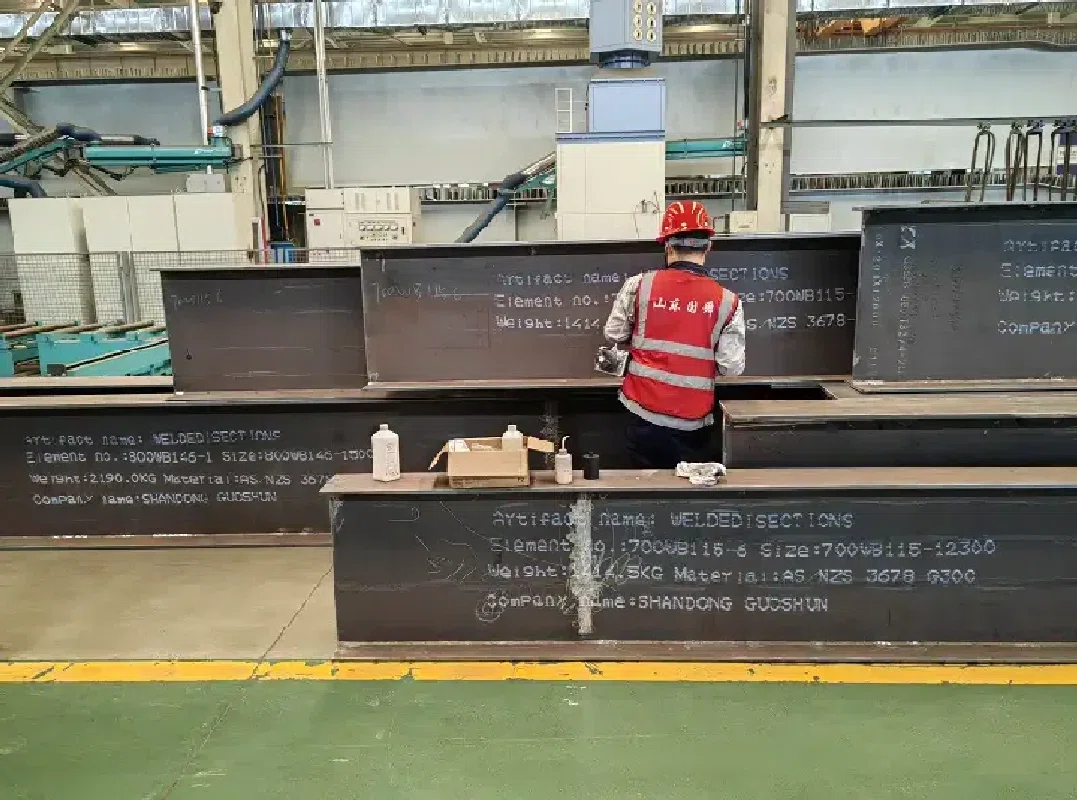
Prefabricated Steel Structure Minimizing On-Site Waste and Emissions
When we talk about prefabrication, what we're really doing is shifting most of the work away from those chaotic construction sites into factories where things can be done right the first time. Material waste drops dramatically too some stats say around 90% less when everything happens under one roof instead of out there in the elements. Building off site means no more waiting around for rain to stop or snow to melt. Plus, transporting finished parts rather than raw materials cuts down on all that truck traffic and associated emissions. What gets delivered to site are basically puzzle pieces waiting to be snapped together quickly and cleanly. Projects finish faster obviously, but there's also less mess and noise at the actual location. And best part? The whole process produces far fewer carbon emissions while still maintaining strong structures that architects can design however they want without limitations.
Design for Deconstruction and Reuse of Structural Steel Components
When buildings are designed with deconstruction in mind, steel structures stop being just fixed assets and become valuable resources that can be used again and again. Using bolts instead of welding makes it possible to take apart beams, columns, and trusses piece by piece. These components can then be checked for damage and put back into service for new projects without losing quality. Steel keeps all its original energy content around 24 gigajoules per tonne and maintains its strength properties forever, so when we reuse it, we're keeping both the material worth and those carbon savings intact. Studies on building lifecycles indicate these approaches cut overall carbon emissions by roughly 40 percent compared to buildings made for only one-time use. What was once considered waste at the end of a building's life becomes raw material ready for the next construction project right away.