 EN
EN

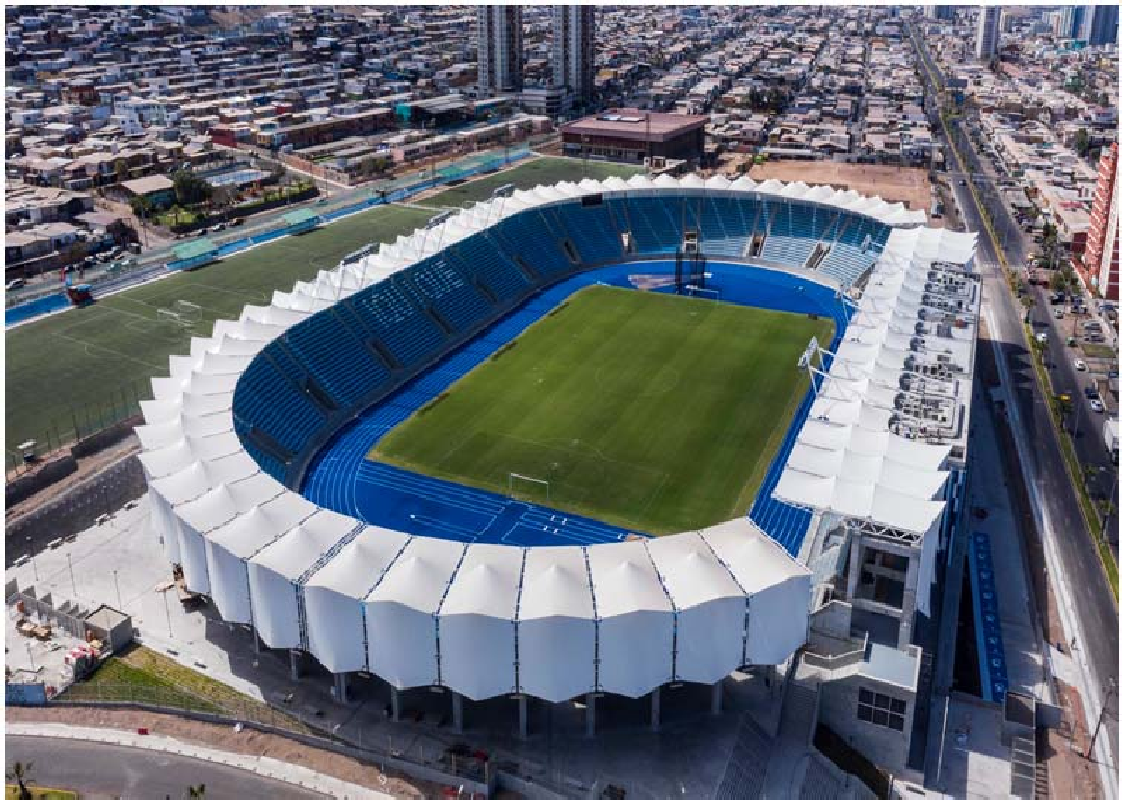
Unmatched Structural Performance: Strength, Safety, and Resilience for Stadiums
Handling dynamic live loads: crowd-induced vibrations and long-term fatigue resistance
Steel structures excel at managing the dynamic forces inherent in modern stadiums. When 50,000+ spectators synchronize movements—such as during goal celebrations—they generate vibrations comparable to low-level seismic activity. Steel’s high strength-to-weight ratio (up to 50% lighter than concrete alternatives) and inherent ductility effectively dampen these oscillations. Its capacity for controlled yielding also combats metal fatigue—the leading concern in venues hosting weekly events. Properly designed steel joints withstand over 2 million stress cycles, supporting more than a century of reliable service without structural degradation. This elastic behavior ensures spectator safety while eliminating the need for costly retrofits.
Withstanding extreme environmental forces: wind uplift, seismic demands, and thermal cycling
Stadium steel structures deliver exceptional resilience against nature’s extremes through three integrated engineering strategies:
- Wind resistance: Aerodynamic profiling and lattice bracing reduce wind pressure by up to 40% versus conventional designs, while deep-anchored foundations prevent uplift even during Category 5 hurricanes.
- Earthquake mitigation: Ductile frame systems absorb and dissipate seismic energy, permitting up to 12 inches of controlled lateral sway without collapse—proven effective in active fault zones like California and Japan.
- Thermal management: Strategically placed expansion joints accommodate 4–6 inches of steel movement across seasonal temperature swings from –20°F to 120°F, preventing stress fractures and joint failure.
Together, these adaptations preserve structural integrity through extreme weather and seismic events while significantly reducing long-term maintenance downtime.
Enabling Iconic Stadium Architecture: Long-Span Roofs and Open Spectator Spaces
Overcoming span limitations with steel space frames and cable-supported roofs
Steel space frames enable column-free roof spans exceeding 200 meters—essential for unobstructed sightlines and immersive fan experiences. Their triangulated geometry efficiently distributes dead, live, and environmental loads across the structure. Cable-supported systems—including tensegrity and cable-stayed configurations—further optimize material use, reducing steel tonnage by up to 30% compared to conventional trusses. These lightweight, high-performance roofs reliably support snow loads up to 5 kN/m² (IStructE, Guidance on Snow Loading for Sports Structures, 2023), all while preserving architectural expression. Prefabricated modules accelerate installation: Atlanta’s retractable-roof stadium completed its structural phase 40% faster than traditionally built counterparts.
Case insights: How stadium steel structure shaped venues like the Beijing National Stadium
The Beijing National Stadium—“The Bird’s Nest”—stands as a landmark demonstration of steel’s architectural and structural potential. Its double-layered spatial lattice, weighing 42,000 tons, functions as a self-stabilizing exoskeleton that eliminated internal columns entirely. This design achieved:
- 91% unobstructed spectator visibility through precision-engineered sightline geometry
- Seismic resilience certified for China’s highest-risk Zone 9
- 25% reduction in total steel volume versus solid-section alternatives
The project underscores how stadium steel structure harmonizes aesthetic ambition with rigorous performance requirements—transforming engineering constraints into cultural identity.
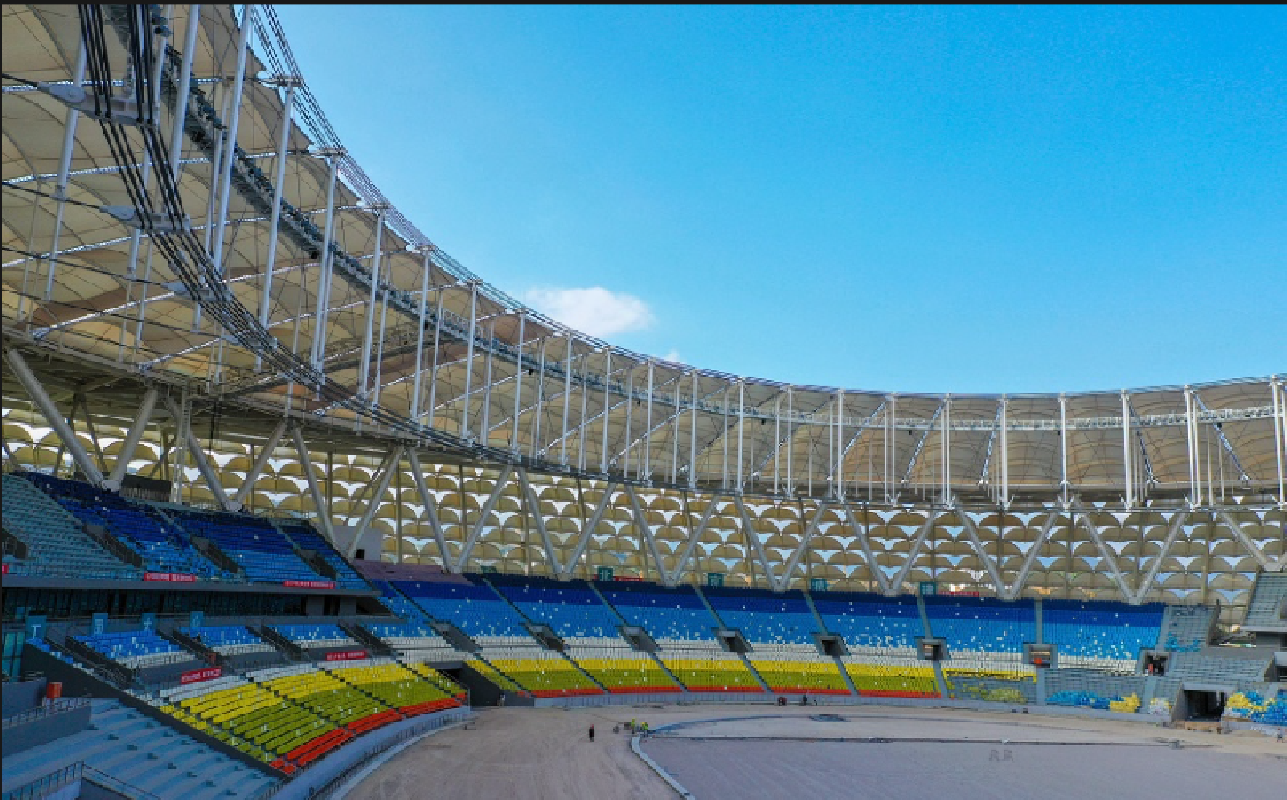
Accelerating Stadium Delivery: Prefabrication, Precision, and On-Site Efficiency
Prefabricated steel components transform stadium construction timelines and quality control. While foundations are poured on-site, structural elements are manufactured off-site under controlled factory conditions—eliminating weather-related delays and enabling parallel workflows. CNC machining and BIM-coordinated fabrication ensure millimeter-level precision, cutting on-site rework and material waste by up to 70%. Modular assemblies arrive ready for rapid integration: large roof trusses that once required weeks of field welding now install in days. Labor hours drop by 40%, and worksite safety improves markedly due to reduced congestion and fewer high-risk tasks. Just-in-time delivery of pre-engineered components further streamlines urban logistics—minimizing storage needs, traffic disruption, and community impact.
Future-Ready Stadium Steel: Sustainability, Adaptability, and Digital Integration
Recycled steel content, modular reconfigurability, and BIM-driven stadium steel structure design
Today’s leading stadiums leverage steel’s circular economy advantages—achieving 85–95% recycled content without compromising strength or durability. This significantly lowers embodied carbon while meeting international structural standards such as EN 1090-2 and ASTM A656. Modular design principles support operational agility: seating banks, concourse layouts, and even roof segments can be reconfigured or expanded within weeks to accommodate different event types—from concerts to esports tournaments. Building Information Modeling (BIM) drives this evolution, with 3D digital twins simulating load paths, thermal behavior, and constructability before fabrication begins. This integration reduces fabrication errors by 25%, accelerates procurement and assembly, and ensures seamless interoperability across disciplines. The result is a generation of stadiums that are not only sustainable and safe—but truly future-adaptive.
Table of Contents
- Unmatched Structural Performance: Strength, Safety, and Resilience for Stadiums
- Enabling Iconic Stadium Architecture: Long-Span Roofs and Open Spectator Spaces
- Accelerating Stadium Delivery: Prefabrication, Precision, and On-Site Efficiency
- Future-Ready Stadium Steel: Sustainability, Adaptability, and Digital Integration