 EN
EN

Sustainability Advantages of Green Building Steel Structures
Cradle-to-cradle lifecycle and circular economy alignment
Steel buildings actually work really well with what's called cradle to cradle design, which basically means they can be reused almost forever without losing their strength or quality. Regular materials follow this straight line approach where we take stuff, make products, then throw them away when they're done. But steel stays strong through all those recycling rounds. About 90% of steel doesn't end up in landfills because it gets recycled instead. This cuts down on needing new raw materials too. When looking at how things fit into a circular economy model, steel checks all the boxes. It helps cut waste completely, keeps resources going strong, and lets buildings last longer before needing to be recycled again. From an environmental standpoint, there are real benefits here. Less energy goes into making new steel, nature suffers less damage overall, and buildings keep their value even after many years of use.
Recycled steel content and up to 75% energy reduction vs. virgin steel production
Most modern structural steel actually includes over 90 percent recycled material, something that few other construction materials can match. When manufacturers make steel from scrap instead of raw materials, they save around three quarters of the energy normally required. This cuts out all those energy hungry steps like mining for iron ore, processing it, and shipping it across continents. The environmental benefits are pretty impressive too, cutting down on carbon dioxide emissions by nearly 60 percent per ton compared to traditional methods. And when we factor in how strong steel is relative to its weight, meaning buildings need less material overall while still being structurally sound, the sustainability advantages just keep stacking up. For architects and builders aiming to reduce their carbon footprint, recycled steel stands out as one of the best options available today for meeting those ambitious green building goals set worldwide.
Energy Efficiency Gains Enabled by Green Building Steel Design
Integrated cool roofs, high-performance insulation, and daylighting optimization
The way steel maintains its shape and can span large distances makes it great for creating high performance building envelopes. Cool roofs applied right onto steel decks work by bouncing back sunlight, which helps cut down on cooling needs during peak times by around 15 percent according to STS Steels research from last year. Steel frames paired with continuous insulation layers and connections that block heat transfer reduce those annoying thermal bridges between materials while keeping buildings remarkably airtight. This means less energy gets wasted through the HVAC system overall. And let's not forget about those open spaces inside where columns don't get in the way. These designs allow natural light to flood in throughout the day, cutting our need for electric lights by roughly 20% every year. All these elements together change how we think about building structures they stop being just something that holds things up and start actually helping save money on energy bills instead.
Structural adaptability for seamless solar panel integration and renewable readiness
The strength to weight ratio of steel allows for lighter roof structures that can handle heavy loads while being designed right from the start to work with photovoltaic systems. This means there's no need to spend extra money on reinforcing structures later on. With modular framing in place, buildings can easily get updated with new solar tech as it comes along without major disruptions. Buildings stay ready for renewable energy upgrades throughout their lifespan. Studies show that when steel frames are combined with local renewable sources, they cut down on energy usage during operation by around 15 to 20 percent compared to regular building methods according to LinkedIn research from 2024. Because steel adapts so well to changing needs, it becomes an important material choice for reaching those ambitious net zero energy targets many companies are aiming for these days.
Construction Waste Reduction and Minimal Site Disturbance
Off-site precision fabrication cutting waste by up to 90% versus conventional methods
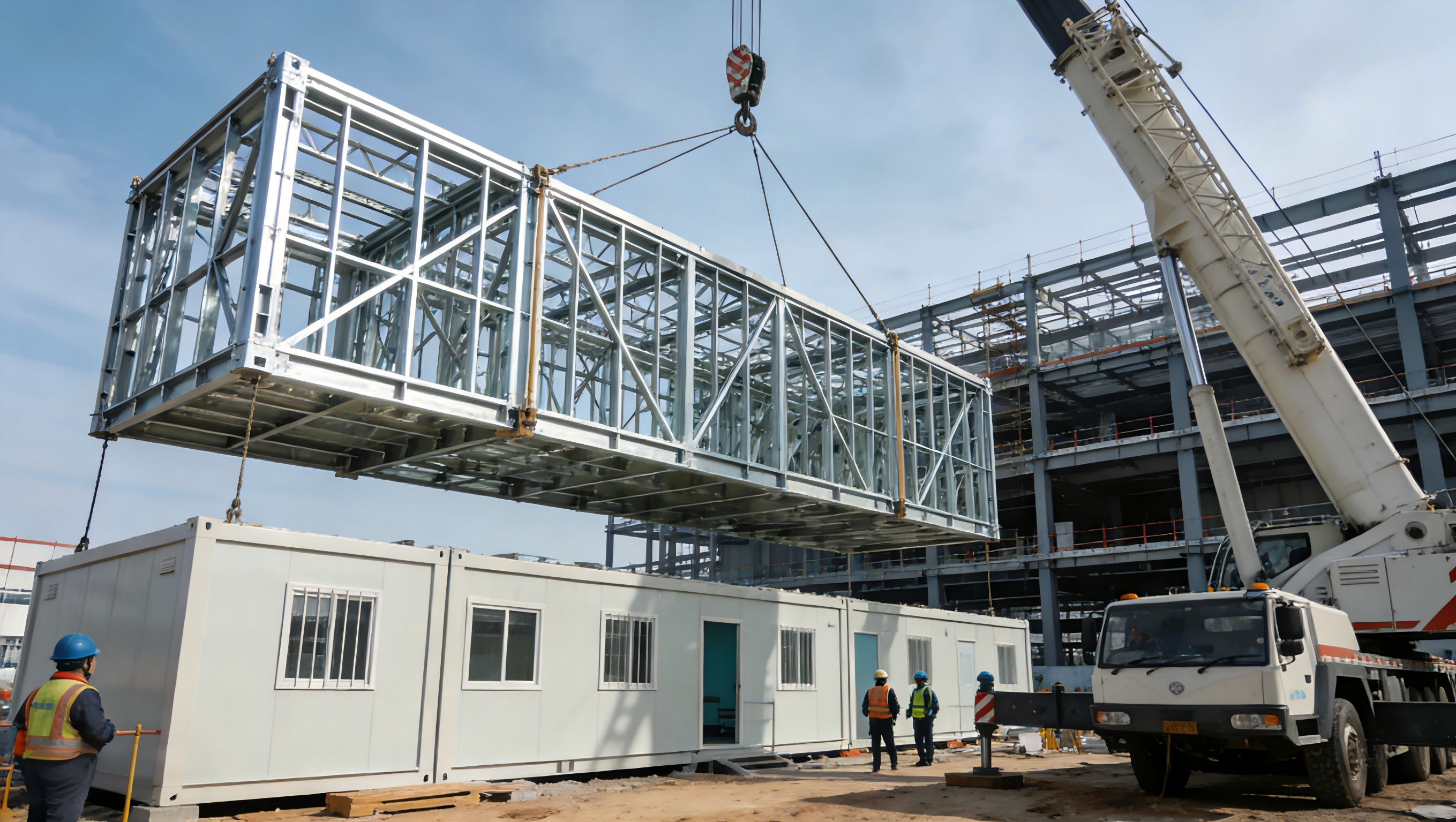
Steel structures for green buildings mostly get made at factories rather than construction sites where everything is controlled. Computer guided tools cut, weld and put together these components with incredible accuracy down to the millimeter. The result? Less need to order extra materials, no mistakes when cutting things on site, and way less leftover stuff compared to regular construction methods. According to the Modular Building Institute from 2023, this approach cuts down waste by around 90%. When there's not so much debris floating around, workers face fewer hazards too. Site operations become simpler overall because there aren't as many truck deliveries needed, staging areas can be smaller, and big machinery doesn't have to work as hard. This helps keep the soil intact, makes less noise and dust, and means neighbors don't get disturbed as much during construction. All these benefits help projects earn those valuable LEED MRc1 through 4 credits while also speeding up completion times typically between 20% to 30% faster than traditional approaches.
Long-Term Lifecycle Performance: Durability, Adaptability, and Resource Efficiency
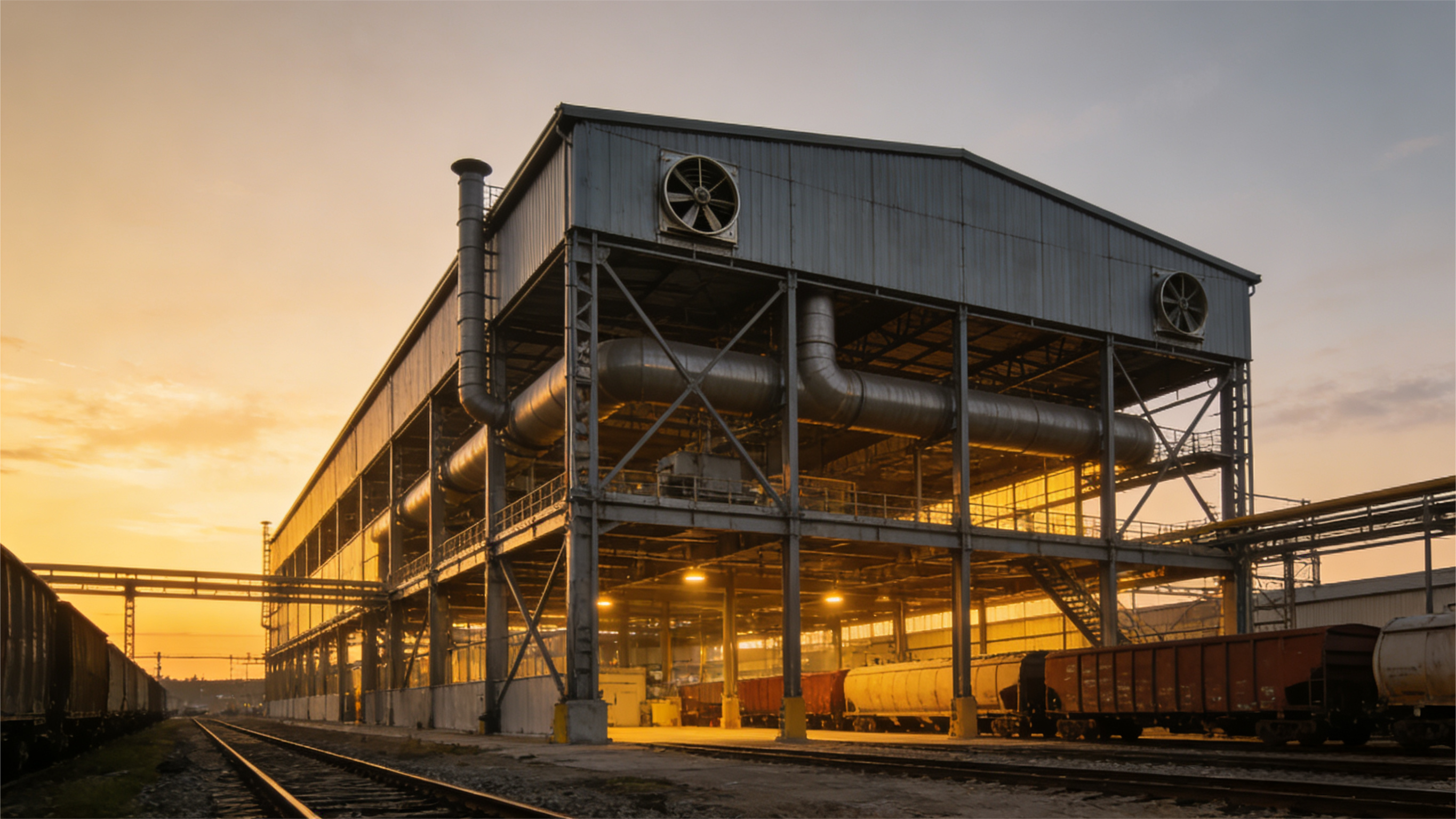
Green buildings made with steel last much longer than traditional options according to recent research from PMC in 2025 showing they can stay standing about 40% longer. The extended lifespan means owners spend less money overall since there's not as much need for repairs or replacements down the road. What makes steel really stand out though is how flexible it is for changes over time. Building managers can rearrange floor spaces, install extra levels, or expand upwards without tearing anything down first. This saves all the energy already invested in construction materials while keeping us from needing fresh resources. Looking at things over six decades, buildings designed with this adaptability tend to cost around 10 to 15 percent less throughout their entire life cycle when compared to fixed design structures. Plus, steel keeps working even after being recycled multiple times which creates a closed system where every ton continues contributing to our built environment instead of ending up wasted somewhere else.
Green Building Certification Support: LEED, BREEAM, and Beyond
Direct contributions to LEED v4.1 credits (MRc1–4, EA Prerequisite 2, IEQc8.1) and equivalent green building standards
Steel frames make a real difference when it comes to green building ratings. With over 90% recycled material content, they tick off several boxes in the LEED v4.1 Materials & Resources category, specifically MRc1 through MRc4. Plus, the thermal properties of steel assemblies can really help buildings hit those energy performance requirements set out in the Energy & Atmosphere section. What's more, column-free designs and carefully planned exterior details actually contribute to better indoor lighting conditions, satisfying the IEQc8.1 Daylight credit without needing complicated computer models for proof. Steel also plays nicely with other rating systems like BREEAM, which looks at materials, energy efficiency, and occupant wellbeing. The WELL Building Standard recognizes steel's role in creating healthier spaces through better light exposure and air quality management. And don't forget about EDGE certification where steel helps cut down on energy, water usage, and material waste. When architects build with steel right from the start, they save time on paperwork, spend less money on external audits, and generally get better results across multiple sustainability certifications.
Table of Contents
- Sustainability Advantages of Green Building Steel Structures
- Energy Efficiency Gains Enabled by Green Building Steel Design
- Construction Waste Reduction and Minimal Site Disturbance
- Long-Term Lifecycle Performance: Durability, Adaptability, and Resource Efficiency
- Green Building Certification Support: LEED, BREEAM, and Beyond