 EN
EN

Unmatched Speed: How Prefabricated Steel Cuts Project Timelines by 30–50%
Concurrent Off-Site Fabrication and On-Site Foundation Work
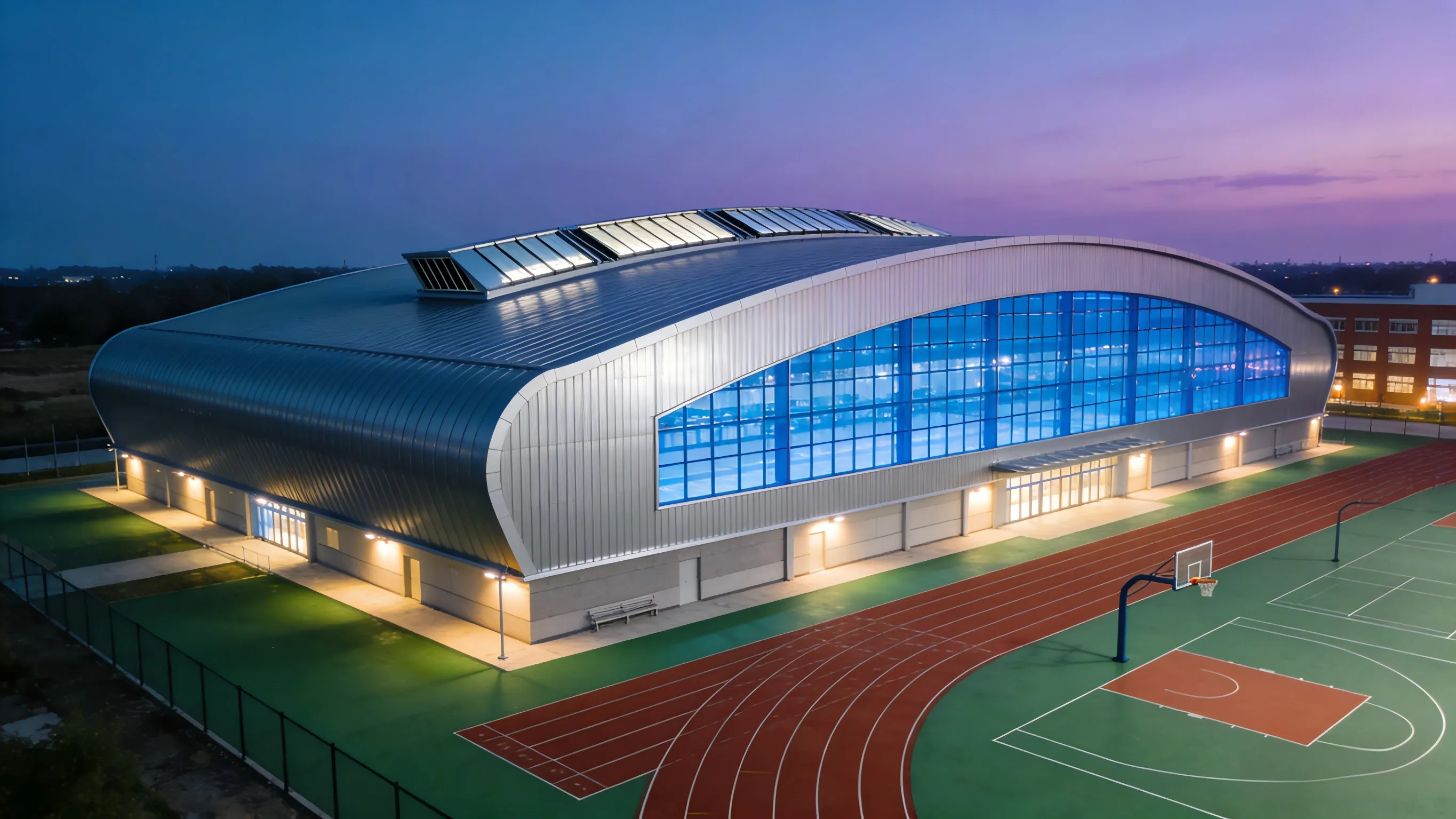
The primary driver of speed in prefabricated steel construction is parallel processing: while structural components are precision-manufactured in a controlled factory environment, site preparation and foundation work proceed simultaneously. This eliminates the sequential bottlenecks of traditional builds—where each phase must finish before the next begins—and directly enables a 30–50% reduction in overall project timelines. A real-world example shows a 50,000-square-foot steel warehouse completed in just 12 weeks, compared to nearly 20 weeks for a similar tilt-up concrete structure. Factory-controlled production also delivers 98% schedule adherence—far exceeding the 63% typical of conventional sites—because manufacturing remains insulated from weather delays, supply chain hiccups, or labor shortages. The result is faster occupancy, earlier revenue generation, and significantly lower financing costs.
Weather-Independent Assembly and Rapid On-Site Erection
Once components arrive on-site, assembly is fast, predictable, and largely weather-resistant. Bolted connections eliminate curing or drying periods required for concrete and masonry, enabling crews to erect a steel frame up to 65% faster than stick-built alternatives. Because fabrication occurs indoors and final erection relies on pre-tested sequences, large facilities—including distribution centers and manufacturing plants—are routinely completed in 8–14 weeks. This resilience to rain, cold, or wind avoids the 15–20 days of annual delay common on conventional sites. On-site labor hours drop by 40–60%, reducing coordination complexity and overhead. For developers, compressed schedules translate directly into financial advantage: finishing just 10 weeks early on a $5 million project saves approximately $77,000 in interest alone at an 8% annual financing rate—without compromising structural integrity or quality control.
Sustainability Advantages of Prefabricated Steel Construction
90% Less Waste and 40% Lower Embodied Carbon vs. Traditional Methods
Prefabricated steel construction delivers measurable environmental advantages over conventional methods. Precision engineering in a factory setting reduces material waste by up to 90%—a stark contrast to on-site stick framing, where excess cutting, rework, and scrap are endemic. This efficiency extends to embodied carbon: optimized logistics (fewer truck deliveries), reduced on-site machinery use, and elimination of field welding and concrete pouring collectively lower a project’s embodied carbon footprint by as much as 40%. For instance, a commercial warehouse built with prefabricated steel avoids the emissions tied to coordinating dozens of material deliveries and extensive on-site fabrication—two major contributors to waste and carbon in traditional construction.
Infinite Recyclability and Energy-Efficient Lifecycle Performance
Steel is uniquely sustainable due to its infinite recyclability: it can be remelted repeatedly without degradation in strength or performance, ensuring that nearly all structural steel can be recovered and reused at end-of-life. This drastically reduces demand for virgin iron ore and associated mining impacts. Beyond material stewardship, prefabricated steel framing supports high-performance building envelopes—enabling seamless integration of continuous insulation, air barriers, and reflective roofing systems. Over decades of operation, this synergy between durable structure and energy-efficient design yields lower HVAC loads, reduced utility costs, and a substantially smaller lifetime environmental footprint.
Superior Durability and Resilience: Engineered Strength for Extreme Conditions
Prefabricated steel structures are engineered for long-term performance in demanding environments. Controlled factory fabrication ensures consistent material quality, precise welds, and dimensional accuracy—eliminating weak points often introduced during field assembly. Protective treatments like hot-dip galvanizing or advanced polymer coatings provide proven corrosion resistance, even in aggressive coastal or industrial settings. Steel’s exceptional strength-to-weight ratio allows buildings to safely withstand heavy snow loads, hurricane-force winds exceeding 150 mph, and seismic activity—without cracking, warping, or structural fatigue. Every connection is pre-engineered to distribute stress uniformly across the frame, enhancing redundancy and reliability. The outcome is decades of low-maintenance service life—making prefabricated steel the preferred choice for mission-critical infrastructure, emergency response facilities, and operations in high-risk climate zones.
Long-Term Cost Efficiency: Optimizing Labor, Logistics, and Lifecycle Value
Prefabricated steel construction delivers sustained value by minimizing on-site labor dependency, streamlining logistics, and reducing long-term maintenance obligations. Factory-based fabrication cuts material waste and rework, while steel’s inherent durability slashes repair frequency and replacement cycles over a building’s 50+ year lifespan. Integrating lifecycle cost analysis early in design helps owners balance initial investment against operational savings—particularly in energy, insurance, and upkeep.
Mitigating Skilled Labor Shortages Through Controlled Prefabricated Manufacturing
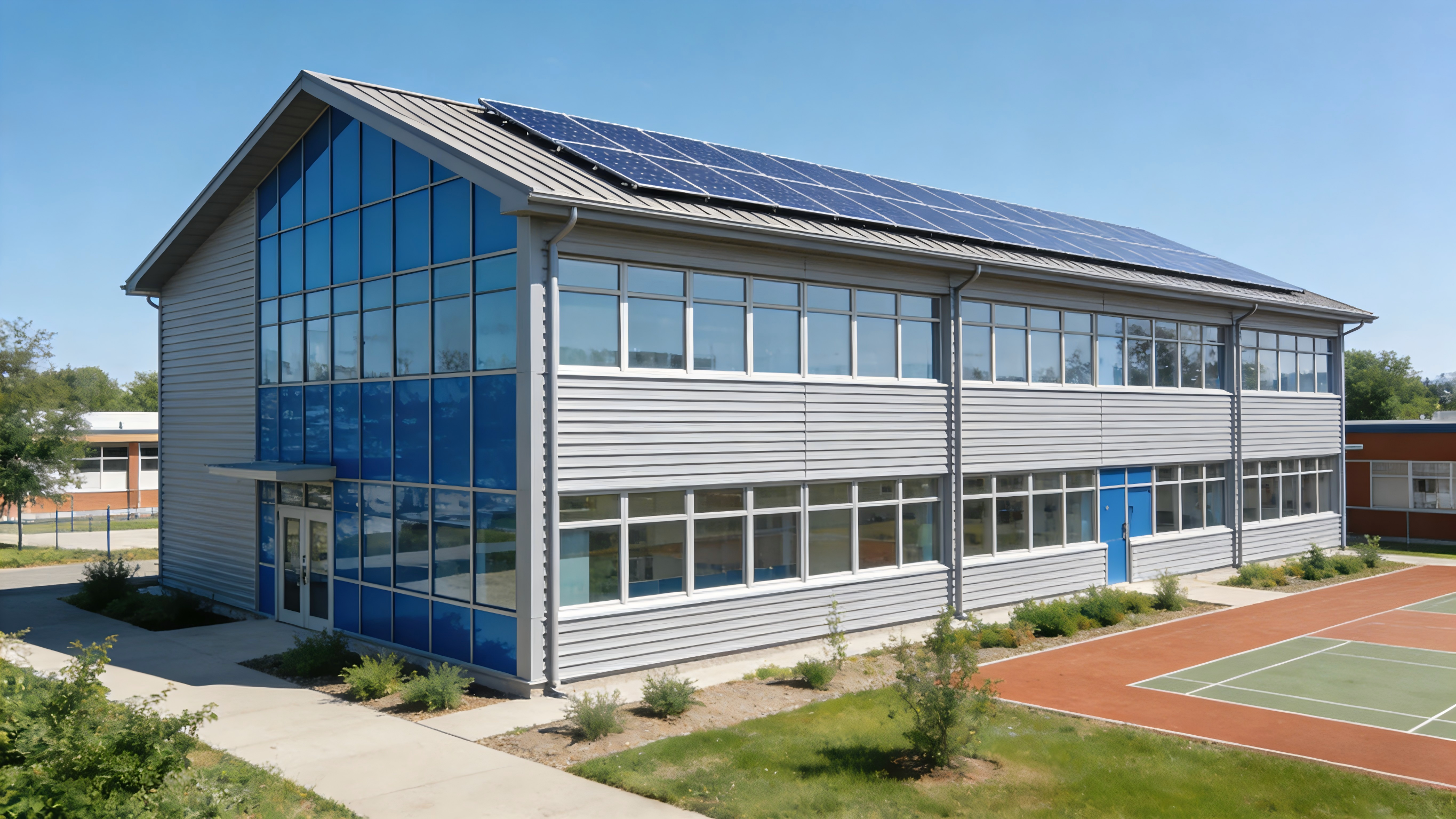
With skilled labor shortages intensifying across North America and Europe, prefabricated steel offers a strategic solution. Complex tasks—such as precision welding, CNC cutting, and multi-axis assembly—are performed in factories by trained technicians operating under stable, repeatable conditions. On-site work is simplified to bolting, aligning, and connecting pre-fitted components—a process requiring less specialized training and far fewer labor hours. This decoupling from volatile local labor markets stabilizes budgets, accelerates delivery, and improves predictability—especially valuable in regions facing acute trades shortages or compressed development windows.