 EN
EN

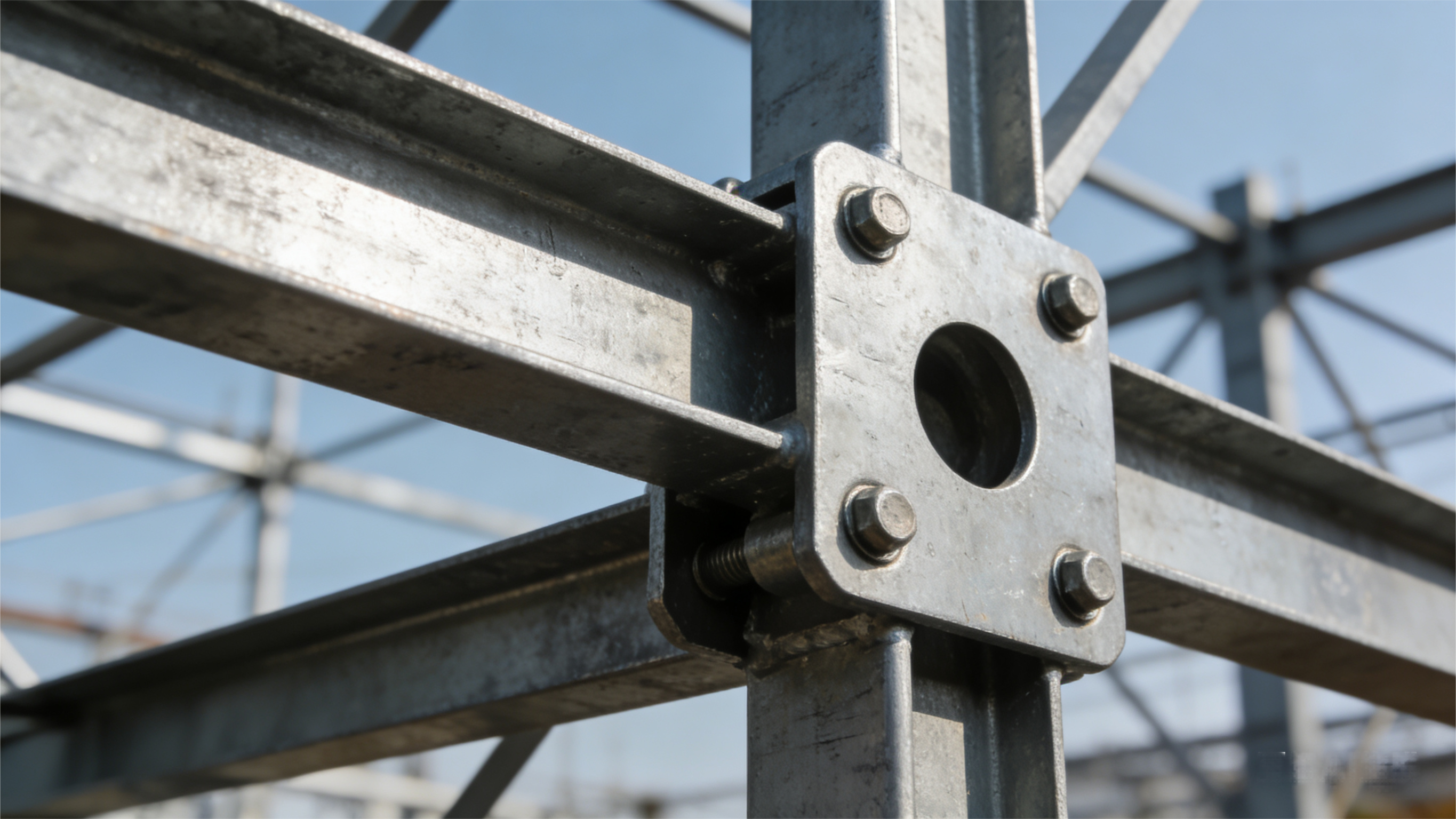
Unmatched Precision and Structural Performance
Dimensional Accuracy and Load-Bearing Consistency via Factory-Controlled Fabrication
When steel structures are fabricated in factories rather than on site, they tend to have much better dimensional accuracy, usually staying within about 3mm tolerance. This makes all the difference when building multi-story structures where every component needs to fit together just right. Modern factories use automated welding equipment and computer guided cutting systems that actually help maintain the strength of materials throughout the process. Field welders often struggle with uneven heat distribution, but factory methods cut down on these stress points by roughly 40%. Another big plus is that factory environments protect against things like rainwater damage or temperature fluctuations that can warp metal during production. Standard connection plates between modules also make everything line up properly when it comes time to assemble the structure on site. Contractors report that these standardized components speed up installation times significantly while still keeping the whole structure rigid and stable. Looking at industry data, factory built modules have around 95% fewer size inconsistencies compared to traditional construction methods. That kind of precision translates directly into safer buildings that perform predictably even under heavy loads.
Proven Seismic and Wind Resilience: Compliance with ASTM E2847 and EN 1993-1-1
When it comes to building resilience, modular steel structures really stand out because they follow strict standards like ASTM E2847 for structural steel framing systems and Eurocode 3 from EN 1993-1-1. The requirements actually demand thorough testing of how connections hold up when subjected to simulated earthquakes plus wind speeds that can go over 150 miles per hour. What makes steel so good at this? Well, its natural ability to bend without breaking allows it to absorb energy through controlled deformation. Studies show this characteristic alone cuts down the chance of buildings collapsing during quakes by roughly 70%. Special moment-resisting joints work together with diagonal supports to spread out sideways forces whenever there's repeated stress on the structure. Independent experts have checked these systems too, and their tests prove that well-designed buildings can handle ground shaking equivalent to a magnitude 7.0 earthquake at 0.4g acceleration levels while keeping people inside safe. Because of all this verified performance data, these types of constructions are becoming increasingly popular in areas where disasters happen frequently and local codes just aren't enough anymore.
Accelerated Project Delivery Through Prefabrication
40–60% Reduction in On-Site Timeline: Lessons from UK NHS Modular Hospital Projects
Steel modular construction really cuts down on time because work can happen at multiple places at once. When crews are getting the ground ready for buildings, factory workers are already making parts inside temperature controlled facilities where rain or snow won't stop progress. This method saved around half the usual time for those emergency hospitals built for the NHS during the pandemic crisis. Take the Nightingale Hospitals as an example they went from concept to operation in mere weeks instead of taking months normally. Traditional building methods have all sorts of problems with different trades waiting their turn, but modular approaches avoid these bottlenecks completely. Plus materials arrive exactly when needed thanks to better planning. The standard connectors between pieces mean fewer workers are required on site, and everything moves faster through improved supply chain management. Developers who need results fast find modular steel solutions game changing. Projects finish quicker so money starts coming in sooner, which makes a huge difference when budgets are tight.
Sustainability Leadership: Low-Carbon Potential and Circular Design
Embodied Carbon Reduction Using 95% Recycled Steel and Design-for-Disassembly
Steel buildings made with modular components cut down on carbon emissions because they often contain around 95% recycled steel according to recent data from the Global Steel Climate Council. The manufacturing process happens in factories where there's much less waste since everything is measured precisely and leftovers are kept to a minimum. Plus, these buildings come apart easily at the end of their life cycle thanks to special connectors that let each part be taken out and reused later. Think of them as storage units for building materials rather than just temporary structures. Research shows these systems generate about half the construction waste we normally see and leave behind roughly 30% less carbon overall when compared to traditional building techniques. What makes this really interesting is how these modules don't have to stay put forever. They can actually be moved somewhere else or turned into something completely different, which means no need for demolition crews to pile up trash in landfills. Combine all this with green energy during production and suddenly steel isn't just a building material anymore but part of a bigger system where resources keep getting used again and again without harming the planet too badly.
Scalable Innovation: Advanced Connections and Hybrid Integration
Grouted Sleeve vs. Bolted Joints: Fatigue Performance and System Scalability
The strength of connections really matters when it comes to how well modular steel structures scale up. Tests following ASTM E2847 show that grouted sleeve connections can handle around two to three times more fatigue cycles compared to regular bolted joints. That makes these connections especially good for areas prone to earthquakes or other stresses where some give in the structure actually improves overall safety. On the flip side, bolted joints win when time is money. They cut down on labor costs by about 40% because workers can make adjustments right there on site without needing special tools. Smart builders often mix both approaches in their designs. Critical parts like column bases get reinforced with those grouted sleeves, but the upper floors go faster with bolts since nobody wants to wait weeks for everything to dry. This combination lets buildings grow and change over time without weakening the core structure. Plus, standardized connections mean components can be swapped between different projects while still meeting all the requirements from EN 1993-1-1 standards.
Overcoming Adoption Barriers for Widespread Modular Steel Structure Use
Modular steel structures bring real advantages to the table, but getting them widely adopted remains challenging for several reasons. First off, the upfront costs tend to be quite high compared to traditional approaches, and many companies just aren't ready technically to handle what's required. The old design-bid-build method doesn't mesh well with modern integrated delivery systems, which makes things risky from a financial standpoint as noted by Wilson back in 2023. Another problem comes down to skill levels among trade partners working on those modular connections and interfaces - some simply don't have enough experience yet. Regulations present another roadblock too, particularly when it comes to getting zoning approvals sorted out and meeting fire safety standards across different jurisdictions. To move forward, we need better collaboration around how projects get procured, proper training programs for workers, and building codes that actually acknowledge offsite construction techniques as legitimate options. When all stakeholders start pulling together on this front, standardizing processes will help speed up adoption throughout the entire industry.
Implementation Strategy Quick Reference
| Barrier | Mitigation Approach | Industry Impact |
|---|---|---|
| Capital expenditure | Lifecycle cost models + green financing | 22% ROI over 30 years |
| Technical adaptation | Modular-specific trade certifications | 37% faster project commissioning |
| Regulatory compliance | Cross-state code harmonization | Permit approval in 3 months |
Table of Contents
- Unmatched Precision and Structural Performance
- Accelerated Project Delivery Through Prefabrication
- Sustainability Leadership: Low-Carbon Potential and Circular Design
- Scalable Innovation: Advanced Connections and Hybrid Integration
- Overcoming Adoption Barriers for Widespread Modular Steel Structure Use