 EN
EN

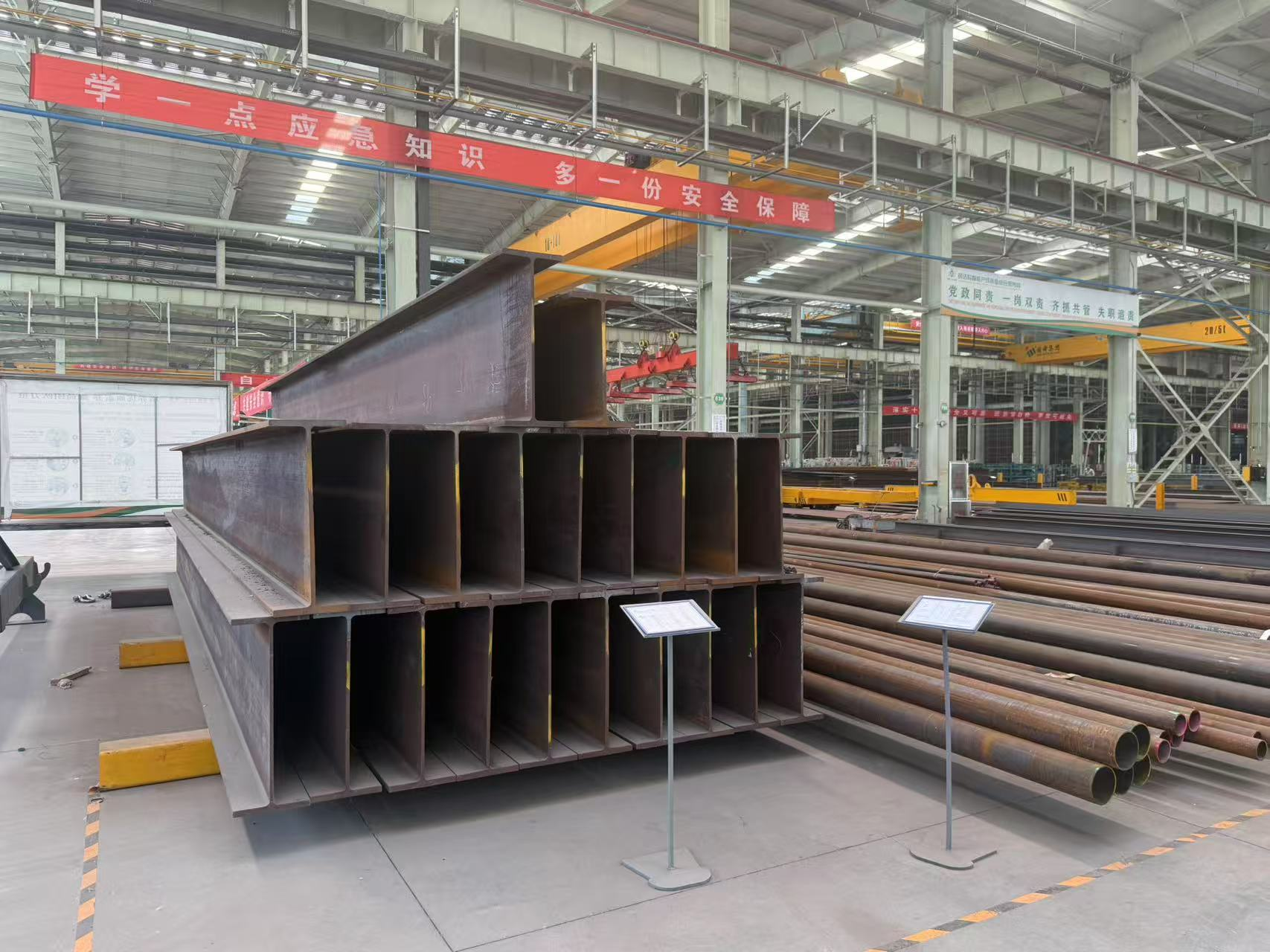
Smart Automation: Robotics and CNC Systems in Fabricated Steel Production
Robotic Welding and CNC Robotic Cutting for Precision Fabricated Components
Steel fabrication today relies heavily on robotic welding systems that create joints so precise they're practically flawless, which means no more worrying about human mistakes in those crucial structural connections. These machines tackle all sorts of complicated shapes, whether it's curved beams or those tricky connection points between different parts of a structure, keeping everything within about half a millimeter of perfection. When combined with computer-controlled plasma cutters, robotic arms can slice through steel plates as thick as 15 centimeters at speeds that blow away what humans could ever manage manually. What really stands out is how these systems keep going non-stop to produce custom parts like sloped support columns and angled brackets without needing constant setup changes. The robots also have sensors that constantly monitor what's happening during welding, automatically tweaking settings when needed. This helps avoid problems even when working with tough materials like Corten steel that resists weather damage but can be a nightmare to work with otherwise.
Measuring Productivity Gains Across the Fabricated Steel Workflow
Automation delivers measurable efficiency gains across the entire fabrication workflow:
- Cycle Time Reduction: Robotic cells cut welding time by 45% and material handling by 60% compared to manual processes
- Error Minimization: Automated quality scans detect deviations during fabrication, reducing rework costs by up to 30%
- Resource Optimization: Integrated CNC systems achieve 98% material utilization through AI-optimized nesting patterns
Facilities can now produce complex fabricated structures about 40% quicker without sacrificing ASTM or AISC standards. Real time production data helps spot problems like beams taking too long to position or running out of materials before they become major issues. This makes a big difference particularly when dealing with those tricky projects that require frequent changes between different product types. For instance, manufacturers working on custom orders for architectural steel components benefit greatly from being able to switch production lines rapidly while still meeting tight tolerances.
Data-Driven Fabrication: IoT and Analytics for Real-Time Process Control
Predictive Maintenance and Condition Monitoring on Fabricated Steel Lines
Manufacturers lose around $740k each year because of unexpected equipment shutdowns according to Ponemon Institute research from last year. Condition monitoring systems powered by IoT technology are changing how factories deal with these issues. These systems look at things like vibrations, heat levels, and power usage patterns throughout manufacturing plants. The sensors pick up on problems way before they become serious issues something like worn bearings or unbalanced motors can be spotted weeks in advance. Factories implementing this kind of predictive maintenance see between 30% to 50% fewer sudden breakdowns and their machines tend to last longer too. For steel fabrication shops specifically, real time analysis turns all that sensor data into warnings that help avoid expensive stoppages right when important processes like bending or welding are happening. Instead of following rigid maintenance calendars, technicians get work requests ranked by what's actually going on with each piece of equipment, which means better use of both people and replacement parts throughout the factory floor.
Embedded Sensors for In-Process Quality Assurance of Fabricated Structures
IoT sensors embedded in manufacturing equipment keep track of important fabrication factors like how consistent temperatures stay during welding processes, how thick materials get rolled out, and whether parts meet size requirements during assembly stages. When these sensors detect anything off track, they kick in automatic fixes that stop problems from spreading further along production lines. Take optical sensors for example they check if joints line up properly right before welding starts, whereas laser scanners compare actual measurements against digital building information models (BIM). Industry stats show such systems cut down on rework needs by around 27%. All this detailed information helps engineers tweak designs too, finding spots where tolerance specs can be adjusted without weakening structures. What we see happening is that quality checks are no longer just something done at the end of production but become part of ongoing monitoring throughout every step of making products.
Digital Twin Integration: From CAD/BIM Modeling to Fabricated Steel Execution
BIM-Enabled Coordination and Tolerance Management for Complex Fabricated Assemblies
Building Information Modeling, or BIM for short, changes how teams coordinate when working on complicated steel structures. It creates digital models that act like blueprints of actual buildings. With this central 3D model, architects, engineers, and fabricators can work together in real time. All the different parts of the structure get integrated into one place where everyone sees the same information. Before any steel gets cut, BIM lets us simulate how everything will come together. This helps spot problems early on, like parts that don't fit properly. Some studies show this approach cuts down on rework by about 20%. When dealing with really complex builds, such as tall buildings or those with unusual shapes, BIM makes automatic adjustments to joints and bolt holes. It takes into account things like how materials expand when heated or variations between different batches of steel. By doing these checks virtually first, there are fewer surprises on site. Projects tend to finish faster, maybe 15 to 30% quicker than before, and we waste less material overall. From initial designs right through to final installation, BIM keeps track of dimensions throughout the whole process, making sure everything stays accurate at each step along the way.
Sustainable Fabrication: Eco-Efficient Methods for Modern Fabricated Steel Structures
Recycled Steel Utilization, Modular Prefabrication, and Low-Impact Coatings
Using recycled steel cuts down on the need for new raw materials since we're basically just melting down old scrap metal instead. This process saves a lot of energy too, maybe around three quarters less than when we process fresh ore from mines. Then there's modular prefabrication which takes sustainability even further. When things are made precisely in factories with computers guiding every step, we get better material usage rates and practically no waste left over at construction sites. Building components off site also means fewer trucks coming and going, so carbon emissions drop because we can batch deliveries together and avoid all that extra traffic congestion. For coatings, many companies now switch to low impact options like water based epoxies or zinc rich primers that don't release those harmful VOCs into the air but still stand up well against corrosion. All these methods combined really boost how efficiently buildings perform over their entire lifespan.
- Material circularity via closed-loop recycling systems
- Waste reduction powered by automated nesting software
- Emission control using solvent-free, high-performance coatings
Factory-controlled prefabrication accelerates delivery schedules, while advanced coatings extend structural service life without toxic additives—demonstrating how ecological responsibility and economic performance converge in modern steel construction.
Table of Contents
- Smart Automation: Robotics and CNC Systems in Fabricated Steel Production
- Data-Driven Fabrication: IoT and Analytics for Real-Time Process Control
- Digital Twin Integration: From CAD/BIM Modeling to Fabricated Steel Execution
- Sustainable Fabrication: Eco-Efficient Methods for Modern Fabricated Steel Structures