 EN
EN

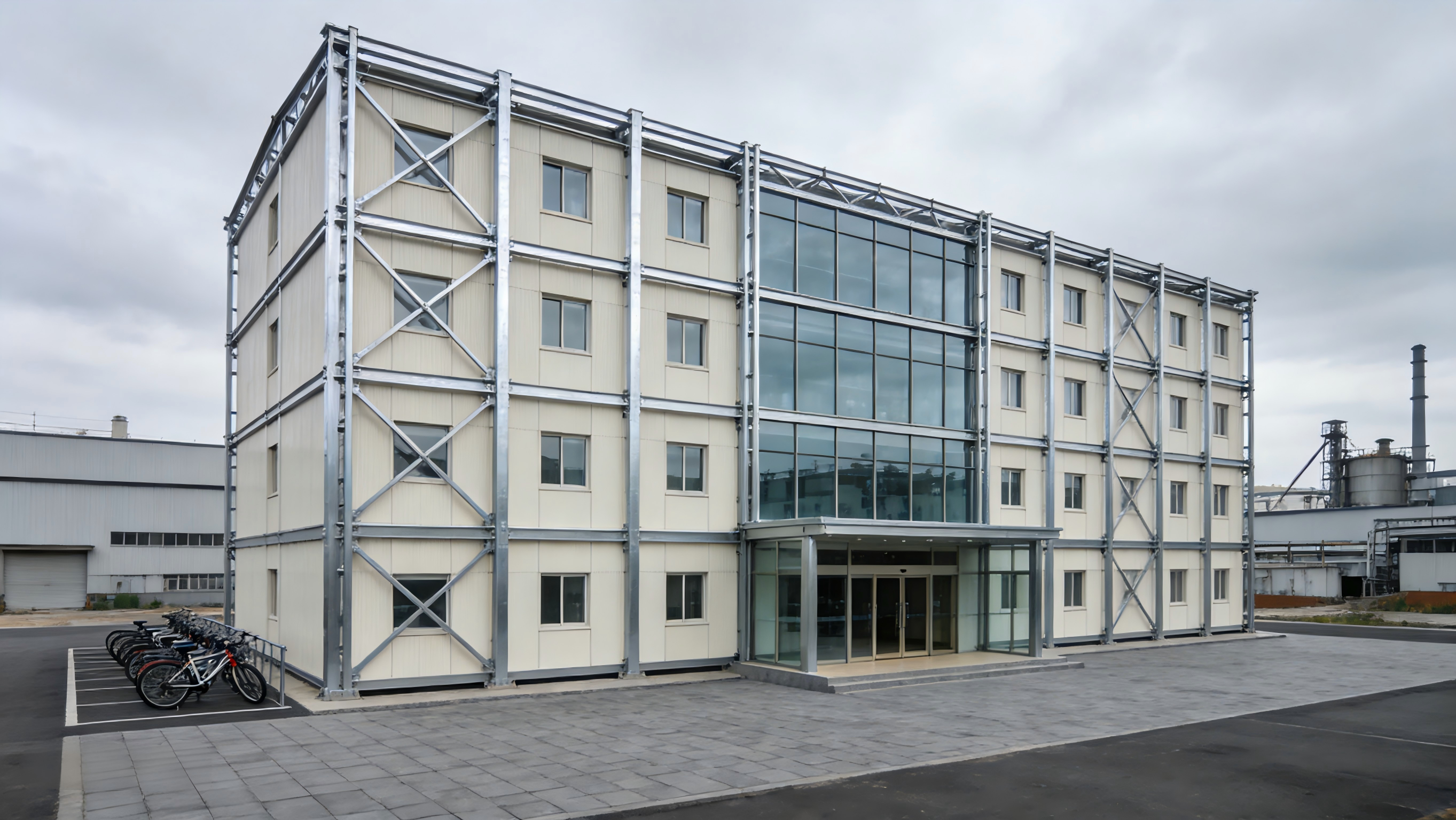
Dramatically Accelerated Construction Timeline
How Off-Site Prefabrication Cuts On-Site Schedule by 30–50%
Prefabricated steel structures achieve 30–50% faster completion than traditional builds by shifting critical fabrication to controlled factory environments. This eliminates weather delays while enabling concurrent site preparation and foundation work. For a 5,000m² commercial project, prefabricated steel reduces total construction time from 36–72 weeks to just 16–30 weeks—a 55% acceleration on average. The parallel workflow optimization explains why 78% of developers select prefabricated steel for time-sensitive projects. This approach also minimizes financing costs and material price volatility exposure during shorter build cycles.
| Phase | Traditional Duration | Prefabricated Steel Duration |
|---|---|---|
| Design & Engineering | 8–20 weeks | 3–6 weeks |
| Fabrication/Procurement | Not applicable | 6–14 weeks (off-site) |
| On-Site Construction | 20–52 weeks | 4–10 weeks |
| Total Timeline | 36–72 weeks | 16–30 weeks |
Just-in-Time Delivery and Lean Workflow Integration for Prefabricated Steel
Factory-produced steel components arrive sequenced for immediate installation through just-in-time (JIT) logistics protocols. This lean methodology reduces on-site storage needs and eliminates component sorting delays. For small-scale structures like equipment shelters, entire installations complete in 1–3 days with total production-to-handover in 2–4 weeks. Larger facilities benefit from phased module delivery synchronized with foundation readiness, enabling continuous workflow without traditional trade sequencing bottlenecks. The integrated design-fabricate-install cycle compresses schedules by 50–70% while maintaining precision assembly tolerances.
Superior Precision and Quality Control
Tight Tolerances Achieved Through Factory-Based Prefabricated Steel Fabrication
Factory-based fabrication allows prefabricated steel components to be manufactured with extreme precision. Computer-controlled cutting, welding, and assembly processes achieve tolerances as tight as 1/16 of an inch—far exceeding typical field tolerances affected by weather, fatigue, or inconsistent supervision. By controlling the environment and using automated machinery, manufacturers ensure each beam, column, and connection fits precisely as designed. The result is a structure that aligns exactly to specifications, reducing the need for on-site adjustments and field improvisation.
Reduced Rework, Waste, and Variability in Prefabricated Steel Construction
Consistent factory quality directly reduces costly rework and material waste. When every piece meets the same standard, mismatches, gaps, and alignment issues during assembly are minimized. This predictability cuts on-site labor hours and shortens the overall schedule. Additionally, precise digital modeling optimizes material usage before production begins—reducing scrap by over 18% compared to conventional methods. For project owners, this means lower risk, fewer change orders, and a cleaner, faster build process from start to finish.
Predictable Cost and Labor Efficiency
Prefabricated steel structures deliver substantial cost predictability and labor efficiency gains critical for fast-track projects. By shifting fabrication to controlled factory environments, projects achieve a 25% labor reduction compared to traditional on-site construction methods. This stems from standardized processes, optimized workflows, and elimination of weather-related downtime and coordination bottlenecks. Industry benchmarks confirm that prefabricated steel systems reduce overall project labor costs by up to 30% while accelerating timelines—translating directly to budget certainty for developers.
25% Labor Reduction and Budget Certainty Enabled by Prefabricated Steel Systems
Factory-based prefabrication eliminates costly variables like weather disruptions and on-site rework, which typically account for 15–20% of construction budgets. The controlled manufacturing environment ensures precise material usage, reducing waste by over 18% compared to conventional methods. Projects leveraging prefabricated components report 22% fewer change orders and maintain budget variance within 3%—significantly outperforming traditional construction’s 10–15% average overruns. These efficiencies create predictable cost structures while enabling faster return on investment through accelerated occupancy.
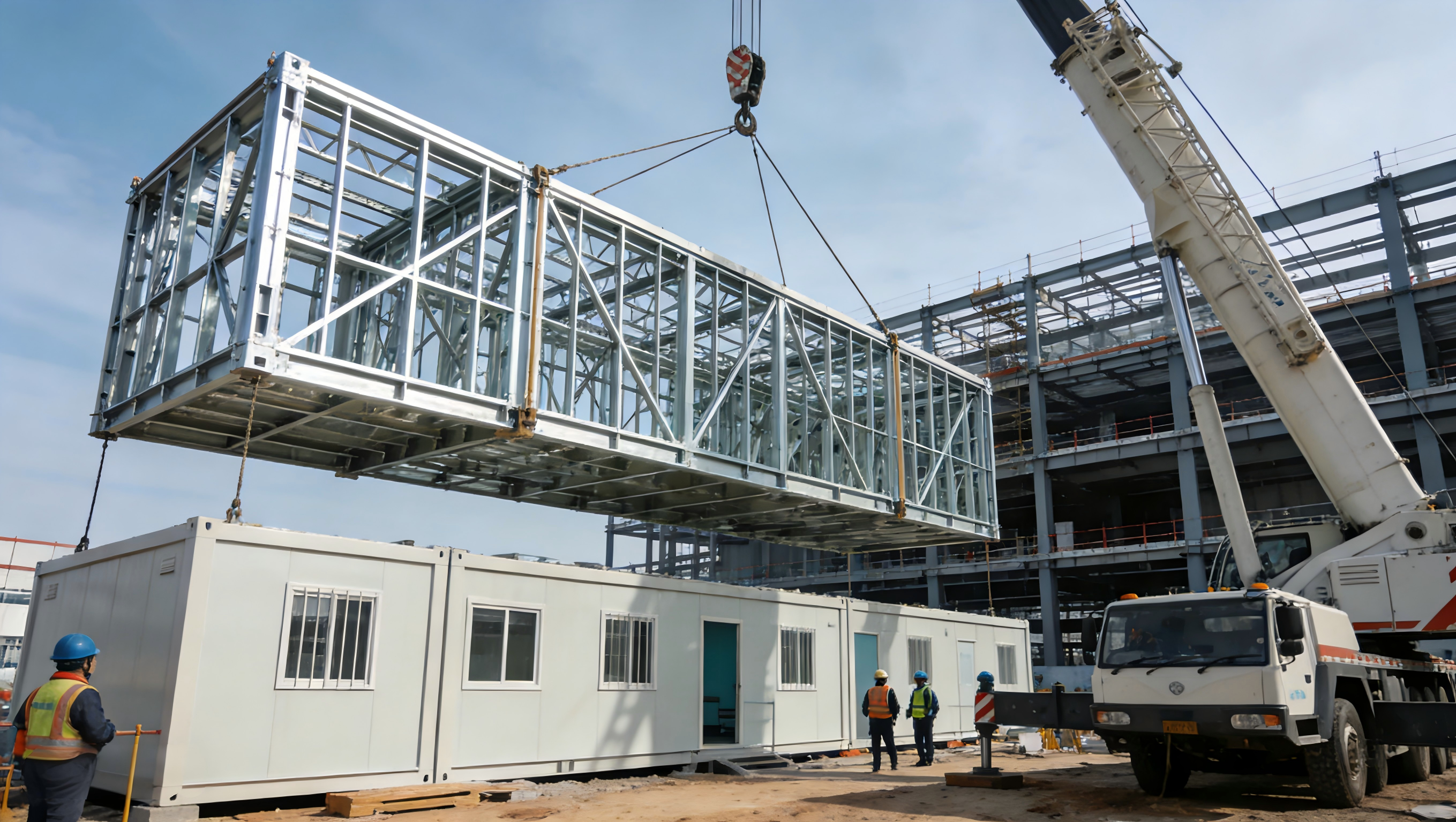 Scalable, Flexible Design-Build Delivery
Phased Deployment of Standardized Prefabricated Steel Structures
Phased deployment allows project owners to expand facilities in stages without halting ongoing operations. By using standardized prefabricated steel components, teams can erect new sections while existing areas remain functional. This approach reduces disruption and aligns seamlessly with design-build delivery, where design and construction overlap. Each phase benefits from consistent quality and predictable lead times because the same prefabricated steel modules are replicated. For example, a warehouse can start with five bays and later add three more using identical frames and panels. The modular nature of prefabricated steel ensures that future expansions match the original structure in strength, aesthetics, and dimensional tolerances. Additionally, just-in-time delivery of standardized components keeps inventory costs low and site logistics simple. This strategy provides the flexibility to respond to changing market demands without locking into a fixed final design early. Ultimately, phased deployment transforms a large capital project into manageable, budget-friendly increments.
FAQ
What are the main advantages of prefabricated steel construction?
Prefabricated steel construction offers faster project timelines, superior precision, reduced rework and waste, predictable costs, and scalable design flexibility.
What does just-in-time (JIT) delivery entail in prefabricated construction?
JIT delivery ensures steel components arrive exactly when needed for installation, reducing storage needs and eliminating delays caused by on-site sorting.
How much faster is prefabricated steel construction compared to traditional methods?
Prefabricated steel construction can reduce project timelines by 30-50%, depending on the project scope and size.
How does prefabricated steel improve labor efficiency?
By utilizing standardized factory-controlled processes, prefabricated steel reduces on-site labor by 25% while minimizing weather disruptions and rework.
Can prefabricated steel be used for scalable structures?
Yes, prefabricated steel components are ideal for phased deployment, allowing easy and seamless future expansions.