 EN
EN

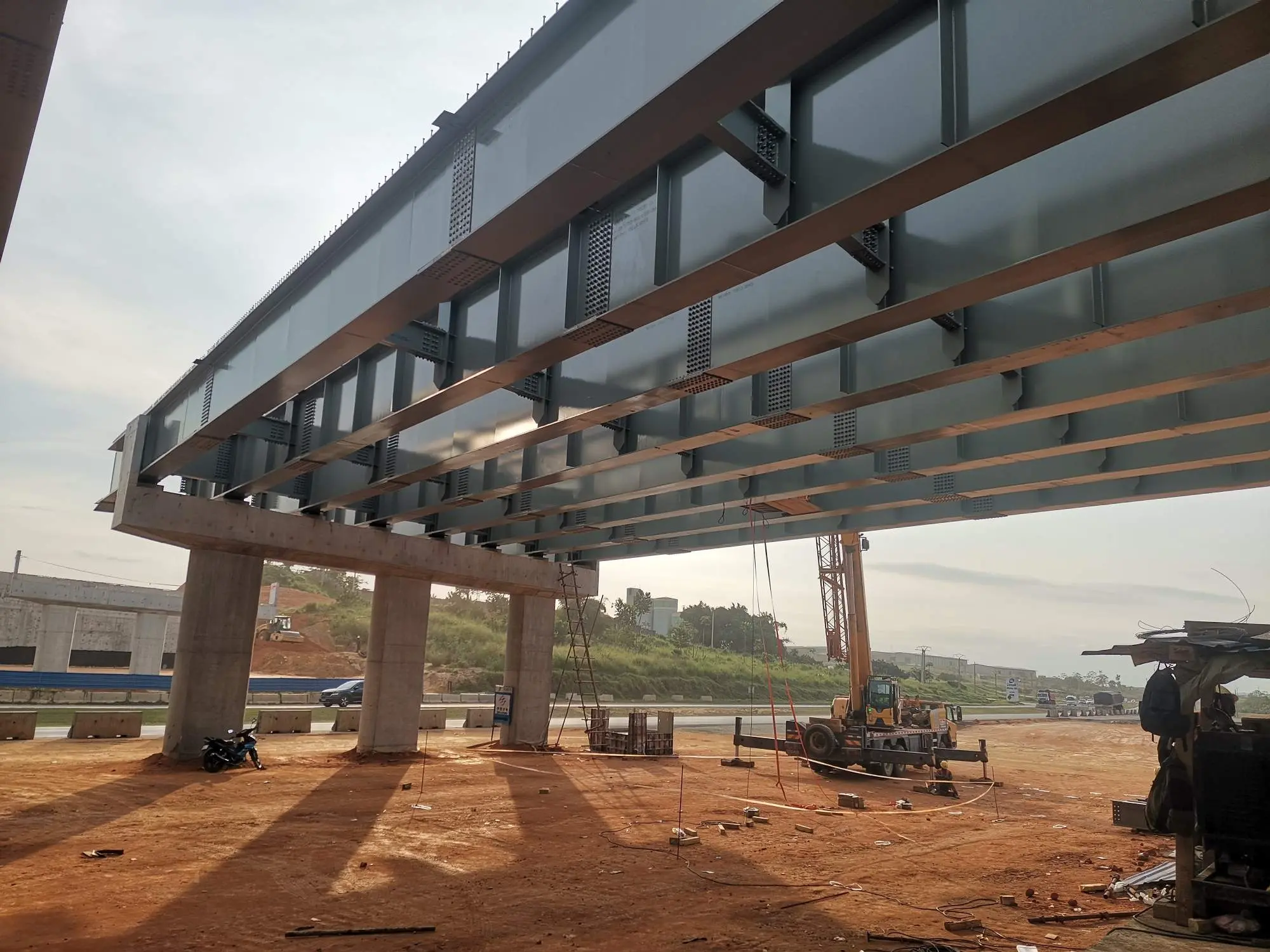
คาร์บอนที่ฝังตัวและปริมาณพลังงานที่ใช้ในการผลิตเหล็กสำหรับสะพาน
รอยเท้าคาร์บอนของเหล็กโครงสร้าง, สายเคเบิลยึดคงที่ (stay cables), และโลหะผสมความแข็งแรงสูง
เหล็กเป็นวัสดุหลักที่ใช้ในการก่อสร้างสะพาน แม้ว่าปริมาณมลพิษที่เกิดจากวัสดุต่าง ๆ จะแตกต่างกันค่อนข้างมากก็ตาม เหล็กโครงสร้างทั่วไปจะก่อให้เกิดก๊าซคาร์บอนไดออกไซด์ประมาณ 1.8 ถึง 2.3 ตันเมตริกต่อการผลิต 1 ตัน ซึ่งเทียบเท่ากับการขับขี่รถยนต์ทั่วไปประมาณ 5,000 ไมล์ ตามผลการวิจัยของ Global Efficiency Intelligence เมื่อปีที่ผ่านมา ส่วนสายเคเบิลยึด (stay cables) ที่ใช้ในสะพานหลายแห่งนั้นมีเรื่องราวที่ต่างออกไปโดยสิ้นเชิง เนื่องจากสายเคเบิลเหล่านี้ผลิตจากโลหะผสมพิเศษที่มีความแข็งแรงสูง จึงจำเป็นต้องผ่านกระบวนการรักษาความร้อนอย่างเข้มข้น ซึ่งส่งผลให้ปริมาณการปล่อยคาร์บอนเพิ่มขึ้นระหว่าง 40% ถึง 60% เมื่อเปรียบเทียบกับคานเหล็กทั่วไป แม้ว่าวัสดุขั้นสูงเหล่านี้จะช่วยให้วิศวกรสามารถออกแบบและก่อสร้างสะพานที่มีช่วงเว้น (span) ยาวขึ้นได้ แต่ก็มีต้นทุนแฝงที่ตามมา เนื่องจากผู้ผลิตจำเป็นต้องควบคุมคุณภาพอย่างเคร่งครัดในระหว่างการผลิต และต้องดำเนินการเพิ่มเติมหลายขั้นตอน ซึ่งทั้งหมดนี้ล้วนส่งผลต่อผลกระทบโดยรวมต่อสิ่งแวดล้อม ดังนั้น ชนิดของเหล็กที่เลือกใช้สำหรับโครงการแต่ละโครงการจึงเป็นปัจจัยสำคัญที่กำหนดระดับความเป็นมิตรต่อสิ่งแวดล้อมของโครงสร้างทั้งหมด ตั้งแต่ระยะก่อนเริ่มก่อสร้างจริงบนพื้นที่งาน
บทบาทของเตาถลุงเทียบกับเตาอาร์คไฟฟ้าในการปล่อยก๊าซเรือนกระจกจากเหล็กเกรดสำหรับงานก่อสร้างสะพาน
เหล็กขั้นต้นส่วนใหญ่ยังคงผลิตในเตาถลุง (blast furnaces) อยู่ แต่กระบวนการแบบดั้งเดิมเหล่านี้ปล่อยก๊าซเรือนกระจกมากกว่าเตาอาร์คไฟฟ้า (electric arc furnaces) ประมาณร้อยละ 70 เตาถลุงทำงานโดยการเผาถ่านหินในเตาโค้ก (coke ovens) ที่อุณหภูมิสูงกว่า 1,200 องศาเซลเซียส ซึ่งก่อให้เกิดก๊าซคาร์บอนไดออกไซด์ประมาณ 2.2 ตัน ต่อการผลิตเหล็กดิบ 1 ตัน ส่วนเตาอาร์คไฟฟ้าใช้วิธีที่แตกต่างออกไปโดยสิ้นเชิง กล่าวคือ หลอมเศษโลหะรีไซเคิลโดยใช้พลังงานไฟฟ้าแทน เมื่อระบบเหล่านี้ขับเคลื่อนด้วยพลังงานหมุนเวียน จะสามารถลดการปล่อยก๊าซเรือนกระจกได้ตั้งแต่ครึ่งหนึ่งไปจนถึงสามในสี่ของปริมาณเดิม ผู้รับเหมาก่อสร้างสะพานมักยังคงเลือกใช้เหล็กจากเตาถลุงสำหรับชิ้นส่วนโครงสร้างที่สำคัญเนื่องจากข้อกำหนดด้านความบริสุทธิ์ อย่างไรก็ตาม เทคนิคใหม่ล่าสุดที่ใช้เตาอาร์คไฟฟ้าร่วมกับเหล็กที่ผ่านกระบวนการลดโดยตรง (direct reduced iron) กำลังเริ่มบรรลุมาตรฐาน ASTM A709 เดียวกัน ในขณะที่ปล่อยก๊าซเรือนกระจกน้อยลง เราจึงกำลังเห็นการเปลี่ยนผ่านของอุตสาหกรรมในปัจจุบัน ซึ่งผู้ผลิตสามารถลดผลกระทบต่อสิ่งแวดล้อมได้โดยไม่ต้องเสียสละคุณภาพหรือความแข็งแรงตามข้อกำหนด
ผลกระทบจากการก่อสร้างในสถานที่: อุปกรณ์ ด้านโลจิสติกส์ และการรบกวนระบบนิเวศริมแม่น้ำ
เครน แพขนส่ง และกำแพงกั้นน้ำแบบชั่วคราวที่ใช้เครื่องยนต์ดีเซล: การใช้เชื้อเพลิงและผลกระทบต่อถิ่นที่อยู่อาศัยในแหล่งน้ำ
ในระหว่างโครงการก่อสร้างสะพาน เครื่องจักรหนัก เช่น เครนตีนตะขาบและเครื่องตอกเสาเข็ม จะใช้เชื้อเพลิงดีเซลจำนวนมาก เครนบางตัวใช้เชื้อเพลิงมากถึง 50-75 แกลลอนต่อวัน ตามตัวเลขของ EPA ในปี 2023 ซึ่งหมายความว่าพวกมันปล่อยก๊าซคาร์บอนไดออกไซด์และไนโตรเจนออกไซด์จำนวนมากสู่ชั้นบรรยากาศ เมื่อดูตัวเลขจากกองทัพบกสหรัฐฯ เราจะเห็นว่าการปล่อยก๊าซไนโตรเจนออกไซด์รายเดือนจากโครงการก่อสร้างในแม่น้ำมีตั้งแต่ 15 ถึง 30 ตัน นอกจากมลพิษทางอากาศแล้ว ยังมีผลกระทบต่อสิ่งแวดล้อมอีกมากมาย เมื่อมีการเคลื่อนย้ายเรือบรรทุกสินค้าและติดตั้งเขื่อนชั่วคราว กิจกรรมเหล่านี้สร้างปัญหาให้กับระบบนิเวศทางน้ำ ตะกอนถูกกวนทำให้พืชใต้น้ำได้รับแสงแดดได้ยากขึ้น เสียงรบกวนจากการก่อสร้างรบกวนการวางไข่ของปลา และการกัดเซาะตามริมฝั่งแม่น้ำเปลี่ยนที่อยู่อาศัยของสิ่งมีชีวิตขนาดเล็ก งานวิจัยที่ดำเนินการเกี่ยวกับการก่อสร้างสะพานตามแม่น้ำโอไฮโอในปี 2022 พบว่าชุมชนของสิ่งมีชีวิตที่อาศัยอยู่ก้นแม่น้ำลดลงชั่วคราวประมาณ 12 เปอร์เซ็นต์ในพื้นที่ที่มีการก่อสร้างอย่างต่อเนื่อง
การปล่อยก๊าซเรือนกระจกจากการขนส่งชิ้นส่วนสะพานแบบสำเร็จรูปและการเข้าถึงสถานที่ก่อสร้าง
การขนส่งคานเหล็กสำเร็จรูปขนาดใหญ่เหล่านั้นคิดเป็นประมาณ 60% ของปริมาณการปล่อยก๊าซเรือนกระจกทั้งหมดในกลุ่ม Scope 3 ของการก่อสร้าง ตามรายงานของสำนักงานบริหารทางหลวงแห่งสหรัฐอเมริกา (FHWA) มีหลายปัจจัยที่ส่งผลกระทบอย่างมากตัวเลขนี้ ประการแรกคือระยะทางที่เกี่ยวข้อง เมื่อเคลื่อนย้ายคานน้ำหนัก 100 ตันข้ามระยะทาง 200 ไมล์ เราจะก่อให้เกิดการปล่อยก๊าซคาร์บอนไดออกไซด์เพียงอย่างเดียวประมาณ 1.8 ตัน ประการที่สองคืออายุของกองยานพาหนะ รถบรรทุกรุ่นเก่ามักปล่อยฝุ่นละออง (particulate matter) มากกว่ารถบรรทุกรุ่นใหม่ที่เป็นมาตรฐานยูโร VI ถึงประมาณ 35% และอย่าลืมพิจารณาสิ่งที่เกิดขึ้นที่สถานที่ก่อสร้างเองด้วย รถบรรทุกผสมคอนกรีตที่จอดนิ่งอยู่นั้น แท้จริงแล้วก่อให้เกิดการปล่อยก๊าซจากยานพาหนะเคลื่อนที่ถึง 20% ทั้งหมด ณ สถานที่ก่อสร้างนั้นๆ การศึกษาวิจัยของศูนย์วิจัยการขนส่งแห่งชาติ (NCHRP) ในปี ค.ศ. 2023 ระบุว่า การหาแนวทางเพื่อเพิ่มประสิทธิภาพในการขนส่งวัสดุจากจุด A ไปยังจุด B สามารถลดการปล่อยก๊าซได้มากถึง 18% โดยเฉพาะอย่างยิ่งเมื่อเปลี่ยนมาใช้ระบบขนส่งทางรางแทนถนน ซึ่งจะให้ประโยชน์อย่างชัดเจนเมื่อระยะทางการขนส่งเกิน 80 ไมล์ เนื่องจากสามารถลดการใช้เชื้อเพลิงลงได้เกือบสองในสาม
การเปรียบเทียบการประเมินผลกระทบตลอดวัฏจักรชีวิต: สะพานโครงสร้างเหล็ก เทียบกับทางเลือกอื่น
ขั้นตอนการประเมินผลกระทบตลอดวัฏจักรชีวิต (LCA) ที่นำมาใช้กับโครงสร้างพื้นฐานสะพาน: จากการสกัดวัตถุดิบจนถึงระยะสิ้นสุดอายุการใช้งาน
การประเมินผลกระทบตลอดวัฏจักรชีวิต หรือ LCA นั้นโดยพื้นฐานแล้วคือการวัดระดับความเสียหายต่อสิ่งแวดล้อมของสะพานประเภทต่าง ๆ ที่เกิดขึ้นในแต่ละขั้นตอนของการดำรงอยู่ทั้งหมดของสะพานนั้น ๆ ลองพิจารณาตามลำดับนี้: เราเริ่มต้นจากการขุดวัตถุดิบ เช่น แร่เหล็ก และการเจาะหินเพื่อผลิตวัสดุรวม (aggregates) จากนั้นจึงดำเนินกระบวนการผลิต ขนส่งวัสดุต่าง ๆ ไปยังสถานที่ก่อสร้าง ดำเนินการก่อสร้างสะพานจริง ปล่อยให้สะพานทำหน้าที่ใช้งานเป็นเวลาหลายสิบปี และสุดท้ายก็รื้อถอนสะพานออกเมื่อถึงจุดสิ้นสุดอายุการใช้งาน อย่างไรก็ตาม สะพานโครงสร้างเหล็กมีข้อได้เปรียบอยู่ประการหนึ่ง กล่าวคือ เมื่อสะพานถึงจุดสิ้นสุดอายุการใช้งานแล้ว วัสดุเหล็กส่วนใหญ่สามารถนำกลับมาใช้ใหม่ได้ สมาคมเหล็กโลก (World Steel Association) ระบุว่า มีเหล็กประมาณ 90% ที่ถูกนำกลับไปใช้ซ้ำในรูปแบบใดรูปแบบหนึ่ง และเราไม่ควรลืมเรื่องการบำรุงรักษาด้วย สะพานโครงสร้างเหล็กมักมีอายุการใช้งานยาวนานกว่าระยะเวลาที่คาดการณ์ไว้ซึ่งคือ 100 ปี โดยแทบไม่จำเป็นต้องได้รับการบำรุงรักษาเลย เมื่อเปรียบเทียบกับทางเลือกอื่น ๆ ที่มีอยู่
สะพานเหล็ก เทียบกับสะพานคอนกรีตและไม้เนื้อแข็งมวลรวม: การแลกเปลี่ยนระหว่างปริมาณ CO2 พลังงาน และความทนทาน
ตามการวิจัยของหนิวและฟิงค์ในปี ค.ศ. 2019 สะพานโครงสร้างเหล็กมีแนวโน้มมีคาร์บอนที่ฝังตัว (embodied carbon) น้อยกว่าสะพานคอนกรีตเสริมเหล็กประมาณ 15 ถึง 20 เปอร์เซ็นต์ ต่อความยาวช่วงสะพานหนึ่งเมตร เมื่อพิจารณาสะพานที่สร้างจากไม้เนื้อแข็งมวลรวม (mass timber) แล้ว การลดลงของปริมาณการปล่อยก๊าซคาร์บอนไดออกไซด์ยิ่งน่าประทับใจยิ่งขึ้น โดยลดลงได้สูงสุดถึง 30% เนื่องจากต้นไม้ดูดซับก๊าซคาร์บอนไดออกไซด์โดยธรรมชาติระหว่างการเจริญเติบโต อย่างไรก็ตาม โครงสร้างไม้มีข้อจำกัดอยู่ประการหนึ่ง กล่าวคือ จำเป็นต้องผ่านกระบวนการบำบัดด้วยสารเคมีเพื่อยืดอายุการใช้งาน และโดยทั่วไปแล้วต้องได้รับการซ่อมแซมหรือเปลี่ยนใหม่บ่อยกว่าวัสดุชนิดอื่น ซึ่งส่งผลให้ผลกระทบต่อสิ่งแวดล้อมเพิ่มขึ้นเมื่อเวลาผ่านไป ขณะที่เหล็กโดดเด่นด้วยคุณสมบัติต้านทานการกัดกร่อนได้ดี และสามารถทนต่อภาวะน้ำท่วมได้เหนือกว่า ทำให้สะพานประเภทนี้ไม่จำเป็นต้องสร้างใหม่บ่อยครั้ง นอกจากนี้ เหล็กยังมีความแข็งแรงสูงเมื่อเทียบกับน้ำหนัก ซึ่งช่วยให้วิศวกรสามารถออกแบบช่วงสะพานที่ยาวขึ้นได้โดยรบกวนถิ่นที่อยู่อาศัยในแม่น้ำน้อยลงระหว่างการก่อสร้าง งานวิจัยที่ประเมินวงจรชีวิตทั้งหมดแสดงให้เห็นว่า สะพานโครงสร้างเหล็กที่ผลิตจากวัสดุรีไซเคิลในสัดส่วนสูงจะใช้พลังงานน้อยที่สุดภายในระยะเวลา 100 ปี เมื่อพิจารณาทั้งค่าใช้จ่ายในการบำรุงรักษา อายุการใช้งาน และการจัดการวัสดุเมื่อสิ้นสุดอายุการใช้งาน

กลยุทธ์การบรรเทาผลกระทบอย่างยั่งยืนสำหรับโครงการสะพานที่มีผลกระทบต่ำ
การปรับปรุงการออกแบบ การผลิตแบบโมดูลาร์ และการลดของเสียในการก่อสร้างสะพาน
เมื่อพูดถึงการออกแบบสะพาน การเพิ่มประสิทธิภาพโครงสร้าง (topology optimization) สามารถช่วยลดการใช้เหล็กได้ประมาณ 15 ถึง 25 เปอร์เซ็นต์ ขณะยังคงรักษาความมั่นคงเชิงโครงสร้างไว้ทั้งหมด ซึ่งหมายความว่าโดยรวมแล้วโครงการจะมีคาร์บอนที่ฝังตัว (embodied carbon) น้อยลง จากนั้นมีการก่อสร้างแบบโมดูลาร์ที่ดำเนินการห่างจากสถานที่ก่อสร้างด้วย โรงงานสามารถควบคุมกระบวนการได้ดีกว่าการทำงานกลางแจ้งมาก ผู้ผลิตจึงสามารถนำวิธีการแบบลีน (lean methods) มาประยุกต์ใช้ เพื่อลดการปล่อยมลพิษได้โดยตรง ณ จุดที่เกิดขึ้น และเร่งความเร็วในการดำเนินงานอย่างมาก ส่วนองค์ประกอบคอนกรีตสำเร็จรูป (precast components) เองก็น่าทึ่งไม่น้อย เพราะจากโครงการโครงสร้างพื้นฐานขนาดใหญ่ล่าสุดที่เกิดขึ้นทั่วภูมิภาคต่าง ๆ ในปี 2024 พบว่าองค์ประกอบดังกล่าวทิ้งของเสียจากวัสดุเหล็กน้อยกว่าร้อยละห้า และแน่นอนว่านี่หมายถึงจำนวนครั้งที่ต้องเดินทางไปยังไซต์งานลดลง จึงลดการใช้เครื่องจักรที่ขับเคลื่อนด้วยดีเซลซึ่งทำงานตลอดทั้งวันด้วย
การหมุนเวียน: การนำกลับมาใช้ใหม่ การรีไซเคิล และการจัดหาเหล็กที่ปล่อยคาร์บอนต่ำสำหรับสะพานในอนาคต
เมื่อเหล็กโครงสร้างถูกนำกลับมาใช้ใหม่ จะยังคงรักษาความแข็งแรงไว้ได้ประมาณ 95% ของคุณสมบัติเดิมหลังผ่านกระบวนการปรับปรุงแล้ว ซึ่งหมายความว่าวิศวกรสามารถถอดคานขนาดใหญ่เหล่านั้นออกมาจากสะพานเก่าที่ไม่ใช้งานแล้ว และนำกลับไปใช้งานใหม่ในสถานที่อื่นได้จริงๆ ตัวเลขยังดีขึ้นอีกเมื่อพิจารณากระบวนการผลิตเหล็ก โดยเตาอาร์คไฟฟ้า (Electric Arc Furnaces) ที่ใช้วัสดุเหล็กเศษเป็นวัตถุดิบจะปล่อยก๊าซคาร์บอนไดออกไซด์น้อยลงประมาณ 70% เมื่อเทียบกับเตาถลุงแบบดั้งเดิม (Blast Furnaces) ปัจจุบันมาตรฐานอุตสาหกรรมกำหนดให้ใช้วัสดุรีไซเคิลไม่น้อยกว่าครึ่งหนึ่งในเหล็กที่ใช้ก่อสร้างสะพานใหม่ ซึ่งได้รับการสนับสนุนจากโครงการทดลองต่างๆ ที่กำลังทดสอบการใช้แร่เหล็กที่ผ่านกระบวนการลดด้วยไฮโดรเจน (Hydrogen Reduced Iron Ore) นอกจากนี้ยังมีอีกมุมหนึ่งที่น่าสนใจ คือ หากมีระบบติดตามที่เหมาะสมตลอดอายุการใช้งาน สะพานส่วนใหญ่จะสามารถนำกลับมาใช้ใหม่ได้สูงถึง 98% เมื่อถึงจุดสิ้นสุดของอายุการใช้งานที่เหมาะสม สิ่งนี้ทำให้โครงสร้างพื้นฐานที่เคยอยู่นิ่งๆ กลายเป็นทรัพยากรที่มีคุณค่ามากขึ้นเรื่อยๆ ตามกาลเวลา — โดยแท้จริงแล้วคือ การสร้างคลังวัสดุก่อสร้างขนาดใหญ่ที่พร้อมนำมาใช้ซ้ำได้ทุกเมื่อที่จำเป็น
สารบัญ
- คาร์บอนที่ฝังตัวและปริมาณพลังงานที่ใช้ในการผลิตเหล็กสำหรับสะพาน
- ผลกระทบจากการก่อสร้างในสถานที่: อุปกรณ์ ด้านโลจิสติกส์ และการรบกวนระบบนิเวศริมแม่น้ำ
- การเปรียบเทียบการประเมินผลกระทบตลอดวัฏจักรชีวิต: สะพานโครงสร้างเหล็ก เทียบกับทางเลือกอื่น
- กลยุทธ์การบรรเทาผลกระทบอย่างยั่งยืนสำหรับโครงการสะพานที่มีผลกระทบต่ำ