 EN
EN

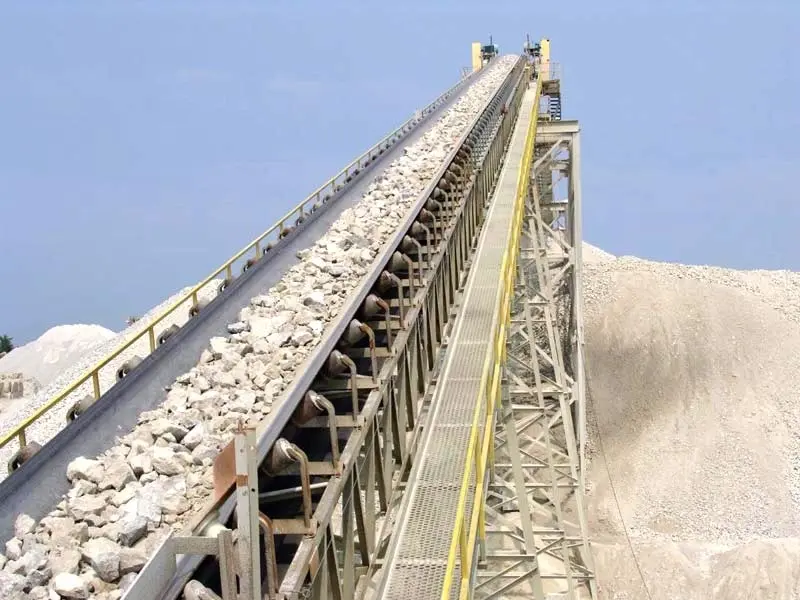
Unmatched Strength-to-Weight Ratio for Efficient Large-Span Design
Enabling column-free, clear-span interiors up to 100+ meters
The strength to weight advantage of steel lets engineers build really large open spaces over 100 meters wide without needing those pesky support columns in between. This makes all the difference for places like airplane hangars, big conference halls, and sports stadiums where having an open floor area is absolutely necessary for operations. When we compare steel to reinforced concrete, there's quite a gap. Concrete just doesn't have the same tensile strength, around 2 to 5 MPa typically, which means it needs way bigger sections to hold up. These larger sections add extra weight to the building, sometimes increasing dead load by as much as 150%. Structural steel on the other hand has much better tensile properties ranging from 400 to over 2000 MPa. This gives steel structures greater stiffness and less bending when subjected to the same loading conditions specified in ASCE 7 standards.
Steel vs. concrete: quantitative analysis for spans <60 meters (ASCE 7-compliant load cases)
Under ASCE 7 design standards for spans over 60 meters, steel consistently outperforms concrete in efficiency, constructability, and compliance:
| Material Property | Structural Steel | Reinforced Concrete |
|---|---|---|
| Density (kg/m³) | ~7,850 | ~2,400 |
| Tensile Strength (MPa) | 400–2,000+ | 2–5 |
| Span Efficiency (60m+) | Minimal deflection | Excessive creep |
| Support Requirements | Lighter foundations | Thick beams/columns |
| ASCE 7 Compliance Feasibility | Simplified modeling | Complex reinforcement |
Because concrete works best when compressed, it needs much heavier support structures. This adds to the overall weight of buildings and makes meeting requirements for earthquakes, wind, and snow loads more complicated. On the other hand, steel offers better strength relative to its weight. That means buildings can have spans that are 30 to 50 percent longer without additional support when facing similar weather conditions. These numbers come from the AISC Steel Construction Manual and are actually used quite often in projects where long spans are needed like bridges and large commercial buildings.
Cost synergy: how reduced foundation, scaffolding, and temporary support needs offset premium material cost
Steel might cost more per ton compared to other materials, but what makes it worth considering is how much money gets saved across the whole project lifecycle. For big structures that span wide distances, we typically see around 15 to 25 percent reduction in overall costs when using steel instead of alternatives. Lighter weight means foundations don't need as deep digging or so much concrete either – sometimes cutting those requirements down by about 30 to 40 percent. Plus, since most steel parts come pre-made off site, there's less need for scaffolding during installation. Construction crews can put things together faster too, which usually shortens timelines somewhere between four and eight weeks. This really matters on projects over fifty meters long because traditional concrete methods require expensive temporary supports during slab installation. According to data collected by organizations like the American Iron and Steel Institute, these kinds of savings stack up nicely across multiple areas including foundation work, labor expenses, and general construction management while still maintaining good structural integrity throughout.
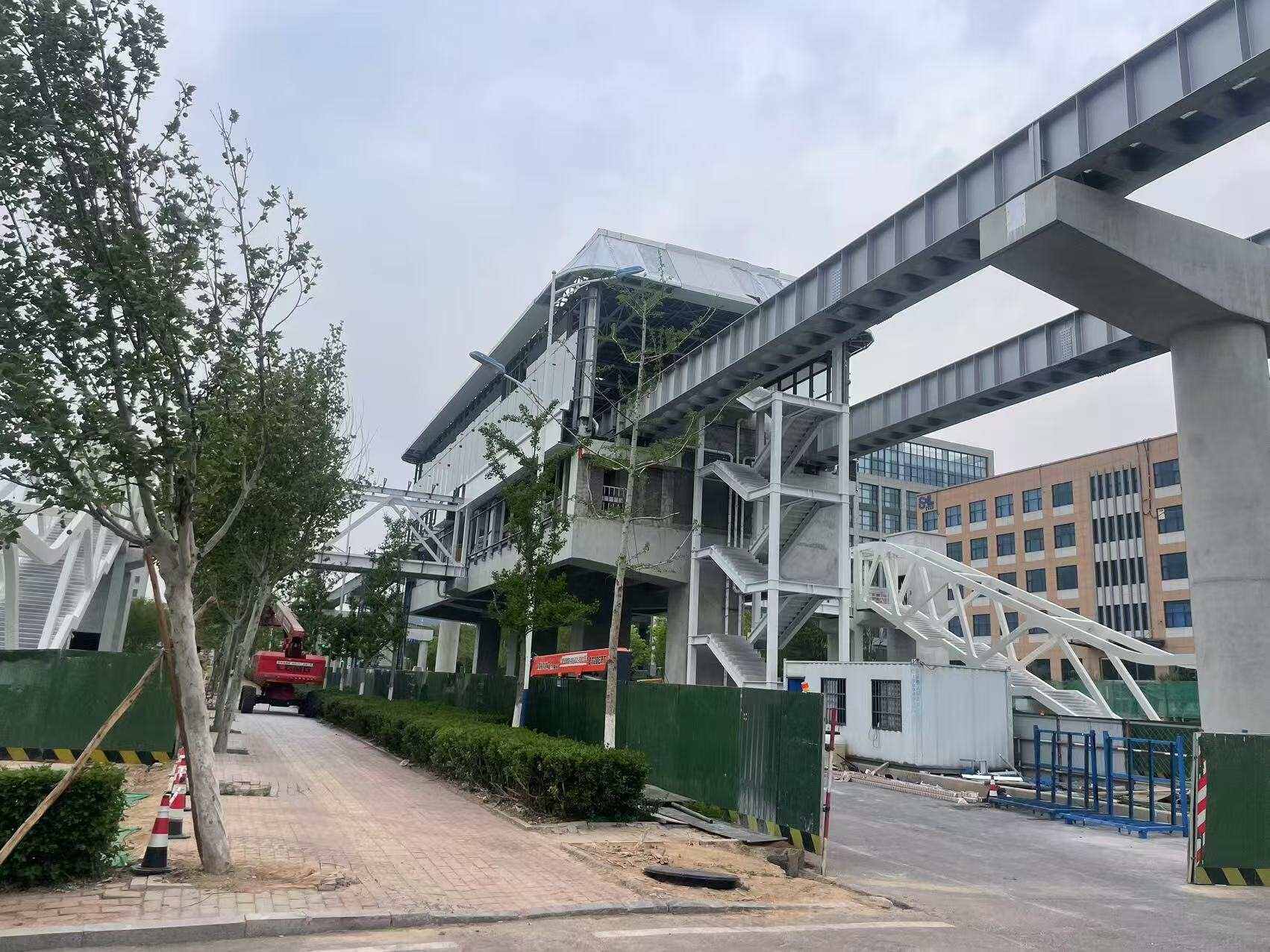
Design Flexibility and Architectural Freedom with Steel Structure
Steel unlocks unprecedented architectural freedom—enabling sweeping curved roofs, cantilevers exceeding 30 meters, and asymmetric large-span forms that remain structurally sound and buildable. Its high strength-to-weight ratio eliminates interior columns, creating adaptable, column-free spaces over 100 meters wide—ideal for venues requiring functional reconfiguration over time.
Realizing complex geometries: curved roofs, long cantilevers, and asymmetric large-span forms
The flexibility and stable dimensions of steel make it possible to create complex curved and irregular shapes that just wouldn't work with something stiff like concrete. Steel can be formed into all sorts of interesting organic forms and structures that seem to defy normal building constraints. When engineers optimize steel truss systems, they can get those cantilevers sticking out three times further than their support base, which cuts down on foundation requirements by around 40 percent when compared to other construction methods. We've seen this put into practice at major venues across the country. Take look at the new sports stadium downtown or the airport terminal expansion last year. These buildings handle heavy loads while still maintaining their striking visual appearance because of how steel bends and distributes weight in controlled ways.
Integrated systems compatibility: MEP routing, modular cladding, and passive sustainability features
Steel framing that's prefabricated works really well with mechanical, electrical and plumbing systems. Instead of running wires and pipes all over the place, they can be tucked inside the structural cavities of the steel frame itself. This makes installation faster for contractors while keeping the building looking neat and professional. For the exterior, modular cladding panels simply snap onto the steel framework underneath. This means buildings can get their outer shell done much quicker than traditional methods would allow, plus it leaves room for modifications down the road if needed. What's more, because steel components are manufactured to exact specifications, there's less waste during construction. The uniform quality of prefabricated steel also helps with energy efficiency measures like better insulation placement and tighter building envelopes that reduce heating and cooling demands over time.
- Thermal bridging reduction via insulated break connectors
- Rain screen facades for natural ventilation
- Integrated solar mounting systems designed into primary structure
These synergies contribute to 15–30% reductions in operational energy use for large-span facilities, according to benchmarks published by the U.S. Department of Energy and the Steel Construction Institute.
Accelerated Construction Timeline and Predictable Project Delivery
Steel construction cuts down project timelines significantly compared to older techniques, sometimes shaving off anywhere from 30 to 50 percent of total time. The secret lies in parallel work processes. While crews pour foundations at the actual site, steel components get fabricated with precision elsewhere in controlled factory settings. Weather no longer becomes a problem for delays, on-site workforce requirements drop about two thirds, and there's far less need for fixing mistakes thanks to those standard bolted connections between parts. With computer aided manufacturing systems now commonplace, measurements stay accurate and schedules remain reliable most of the time, usually within just 5% variance. When dealing with big span buildings where getting occupants in quickly matters for returns on money invested, these predictable timelines actually turn into real cash savings. Experience shows that every month gained translates roughly into 4 to 7 percent less spent on financing costs, overhead expenses, and what we call carrying costs during construction. And let's not forget about just-in-sequence deliveries which keep everything moving smoothly between different trade teams, avoiding those frustrating roadblocks that can stall progress throughout the entire building process.
Proven Resilience and Long-Term Performance of Steel Structure Under Extreme Loads
Seismic, wind, and snow-load performance validated by AISC case studies and ASCE 7 benchmarks
Steel structures really hold up well when faced with harsh weather conditions and other extreme forces, something that has been proven both in actual building performance and through strict testing protocols. According to American Institute of Steel Construction reports, certain types of steel frames can actually absorb around 30 percent more energy during earthquakes compared to similar concrete constructions. When it comes to wind resistance, buildings following ASCE 7-22 guidelines with proper side bracing can handle winds typical of Category 4 hurricanes, which means speeds over 130 miles per hour. And for areas where heavy snow is common, steel components made from stronger materials help keep roofs from sagging too much even when snow accumulates beyond 50 pounds per square foot. This kind of reliable performance happens because steel has consistent qualities throughout, behaves predictably when stressed, and connections between parts follow standard design practices across the industry.
Corrosion mitigation, fire-rated assemblies, and 50+ year service life with minimal maintenance
Steel structures protected with modern systems can last well over 50 years even when exposed to harsh conditions near factories or along coastlines where salt air eats away at materials. Take hot dip galvanizing for instance it offers around 75 plus years protection against rust in most situations. Intumescent coatings work great too they pass the ASTM E119 test standards for two hour fire resistance all while keeping the building's design intact. When it comes to maintenance, these structures really shine. Most owners just need to check them out once every five years or so, which cuts down on overall costs by roughly 40% compared to concrete buildings that require constant attention. And since steel isn't organic material, there's no worry about termites getting inside or wood rot happening from water damage. This makes steel an exceptionally durable choice that continues delivering good value year after year.