 EN
EN

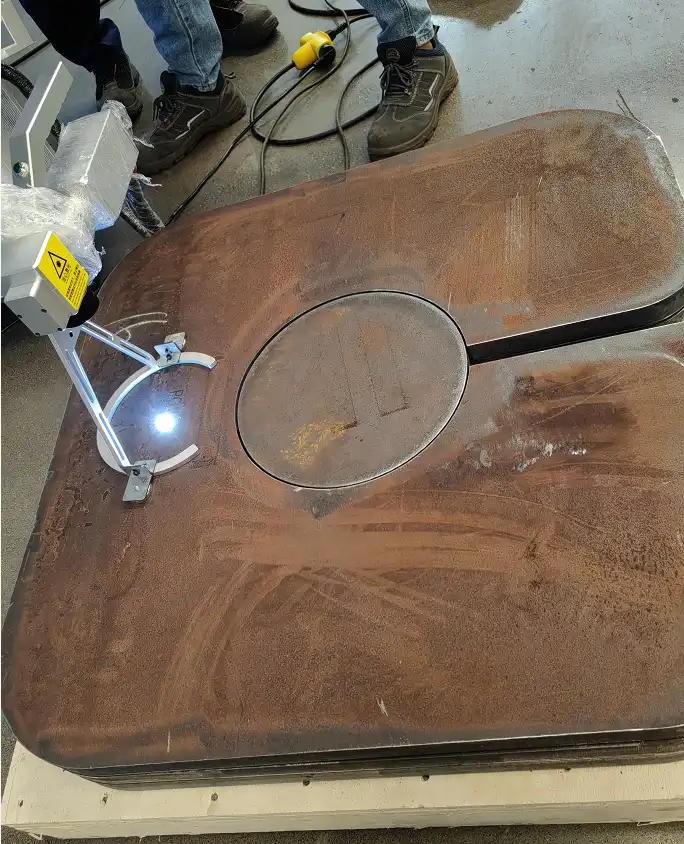
Carbon Steel’s Proven Cost Advantage Over Alternative Structural Metals
Lower Raw Material and Production Costs Compared to Stainless or Alloy Steels
Carbon steel’s cost advantage begins with its elemental simplicity—iron and carbon—avoiding expensive alloying elements like chromium, nickel, and molybdenum that inflate stainless and alloy steel prices. Raw material costs for carbon steel are typically 30–50% lower than those for 304 stainless steel, per 2023 industry benchmarks. Its lower melting point, ease of rolling and forming, and reduced energy demands during refining further cut production expenses. Machining and welding proceed efficiently with standard tooling and minimal pre-treatment, lowering shop overhead. Abundant domestic supply ensures ready availability of beams, plates, and tubes in diverse sizes—without extended lead times—making carbon steel the default choice for large-scale structural frames, pipelines, and industrial platforms. This affordability enables competitive bidding while preserving structural integrity—a balance exotic alloys rarely achieve.
Lifecycle Cost Efficiency: Installation, Maintenance, and Replacement Savings
Carbon steel’s value extends far beyond initial purchase price. Its weldability and formability accelerate erection, reducing labor hours by up to 20% compared to less-forgiving alloys. In non-corrosive or climate-controlled environments, bare carbon steel performs reliably with only periodic painting or galvanizing; when properly coated, it delivers corrosion resistance comparable to premium metals in most commercial and industrial applications. A 2022 lifecycle analysis by a major engineering consultancy found carbon steel frames can reduce 50-year total ownership costs by 18–25% versus stainless steel alternatives—driven by lower capital outlay and predictable maintenance. Its high strength and ductility also ensure exceptional fatigue resistance, minimizing replacement needs over decades of dynamic loading. For contractors, this means fewer callbacks, reduced operational downtime, and a durable asset that sustains profitability across the building’s lifespan.
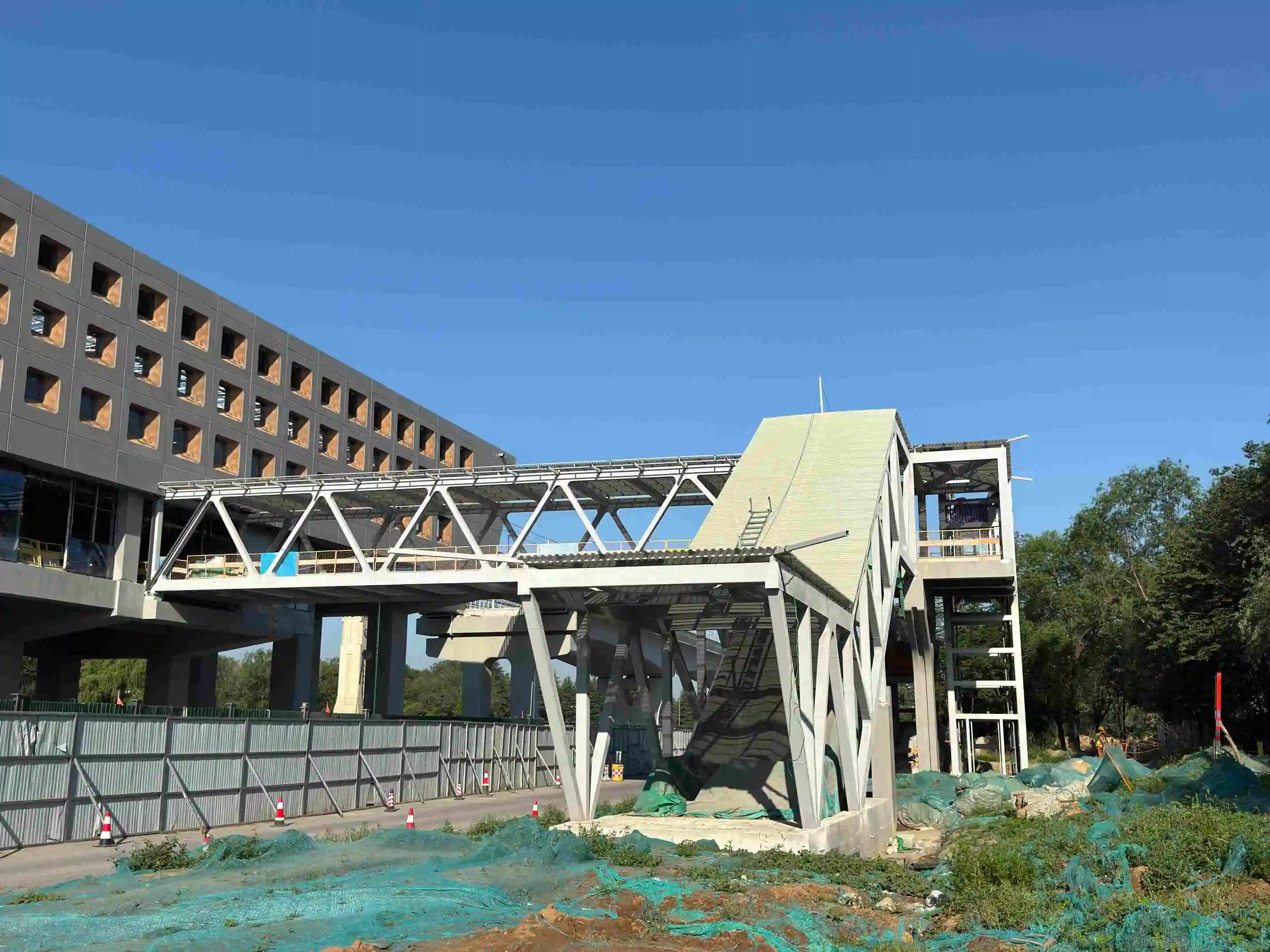
Structural Performance: Strength, Durability, and Load-Bearing Reliability of Carbon Steel
Yield Strength, Ductility, and Predictable Behavior Under Dynamic Loads
Carbon steel offers an optimal balance of yield strength and ductility for structural use. ASTM A36—the most widely specified structural grade—provides a minimum yield strength of 250 MPa, while high-strength low-alloy (HSLA) variants exceed 550 MPa, supporting lighter, more efficient designs without compromising safety margins. Crucially, this strength is paired with consistent ductility—typically 20% or more elongation—enabling controlled deformation before failure. Under seismic activity, wind gusts, or impact loading, carbon steel members respond predictably: yielding plastically to absorb energy and redistribute forces across the frame. Unlike brittle materials, this behavior provides visible warning signs prior to collapse, enhancing life safety and enabling resilient design. Contractors rely on this proven, code-validated performance across diverse structural applications.
Real-World Resilience in Commercial and Industrial Environments
In commercial buildings, carbon steel frames withstand daily live loads, thermal cycling, and incidental impact without permanent deformation. Industrial facilities—including warehouses, manufacturing plants, and processing hubs—demand resistance to vibration, heavy machinery, and repeated cyclic loading—conditions where carbon steel’s fatigue toughness and fracture resistance ensure long-term operational continuity. With appropriate protective systems (e.g., hot-dip galvanizing, epoxy coatings, or duplex systems), corrosion is effectively managed, extending service life to 50+ years. Its consistent mechanical response under variable conditions ensures dependable design margins—and because field modifications (e.g., drilling, cutting, or adding connections) do not compromise structural capacity, carbon steel supports adaptability without re-engineering. That reliability makes it the preferred structural backbone where durability, flexibility, and predictable behavior are essential.
Contractor-Centric Practical Benefits: Fabrication Speed, Weldability, and Field Adaptability
Carbon steel’s fabrication efficiency gives contractors a decisive schedule and cost advantage. It welds readily using common processes—SMAW, GMAW, and FCAW—with minimal preheat requirements and no post-weld heat treatment in most structural applications. Off-site prefabrication of frames and modules leverages these properties: per the 2022 National Institute of Building Sciences report, prefabrication can reduce on-site labor by up to 30%. Shop-controlled welding improves quality consistency, while preassembly minimizes weather delays and trade coordination challenges—enabling smaller field teams to focus on rapid bolt-up. On site, carbon steel’s forgiving nature supports real-time adjustments: drilling new holes, trimming members, or attaching brackets requires no special procedures and preserves load-bearing capacity. This field adaptability prevents costly rework and keeps projects on track—even with late-stage design changes—translating directly into lower crew hours, reduced equipment rental, and reliable completion dates.
High-Impact Applications Where Carbon Steel Delivers Maximum Value
Structural Frames: Fast Erection and Design Flexibility for Mid-Rise Projects
Carbon steel’s high strength-to-weight ratio allows slender, lightweight structural frames that reduce foundation loads and overall material tonnage. Contractors value its predictable yield strength and ductility—key enablers of open floor plans, column-free spans, and future retrofitting. Prefabricated components arrive jobsite-ready for rapid bolt-up, cutting on-site erection time by up to 30% versus cast-in-place concrete. This speed compresses project timelines, lowers financing and carrying costs, and improves cash flow. Its weldability and dimensional stability also simplify on-site modifications, from MEP penetrations to tenant-specific framing. As a result, carbon steel has become the framing system of choice for mid-rise commercial, multifamily, and mixed-use developments—delivering economical procurement, rapid assembly, and long-term adaptability in one integrated solution.
Pipelines and Infrastructure: Corrosion-Managed Longevity at Scale
For water, oil, and gas transmission, carbon steel remains the global standard—not despite its susceptibility to corrosion, but because corrosion is reliably managed at scale. When combined with fusion-bonded epoxy (FBE) or polyethylene coatings, cathodic protection, and routine inspection protocols, carbon steel pipelines routinely achieve service lives exceeding 50 years. Its high tensile strength permits thinner wall thicknesses without sacrificing pressure integrity—reducing raw material use, weight, and transportation logistics. Standardized grades like API 5L X60 and X70 are produced globally in massive volumes, ensuring supply chain resilience and price stability. By treating corrosion as a controllable factor—not an inherent flaw—contractors deploy carbon steel infrastructure at a fraction of the cost of stainless or duplex alternatives, making it the enduring foundation of energy and municipal water networks worldwide.
FAQ Section
Why is carbon steel more affordable than alternative structural metals?
Carbon steel avoids expensive alloying elements like chromium, nickel, and molybdenum, leading to significantly lower raw material and production costs.
How does carbon steel compare to stainless and alloy steels in lifecycle costs?
Carbon steel reduces lifecycle costs through lower initial purchase price, easy maintenance, and predictable performance, resulting in savings of up to 25% over stainless steel in a 50-year analysis.
What makes carbon steel suitable for dynamic loads and seismic activity?
Its optimal balance of yield strength and ductility ensures predictable and energy-absorbing behavior under dynamic loads, enhancing safety and resilience.
How is corrosion managed in carbon steel pipelines?
Corrosion is mitigated using protective systems such as fusion-bonded epoxy coatings, cathodic protection, and regular inspections, extending the service life to over 50 years.
Why do contractors prefer carbon steel for mid-rise structural frames?
Its high strength-to-weight ratio, weldability, and dimensional stability enable fast erection and flexible designs, reducing project timelines and driving cost efficiency.
Table of Contents
- Carbon Steel’s Proven Cost Advantage Over Alternative Structural Metals
- Structural Performance: Strength, Durability, and Load-Bearing Reliability of Carbon Steel
- Contractor-Centric Practical Benefits: Fabrication Speed, Weldability, and Field Adaptability
- High-Impact Applications Where Carbon Steel Delivers Maximum Value
-
FAQ Section
- Why is carbon steel more affordable than alternative structural metals?
- How does carbon steel compare to stainless and alloy steels in lifecycle costs?
- What makes carbon steel suitable for dynamic loads and seismic activity?
- How is corrosion managed in carbon steel pipelines?
- Why do contractors prefer carbon steel for mid-rise structural frames?