 EN
EN

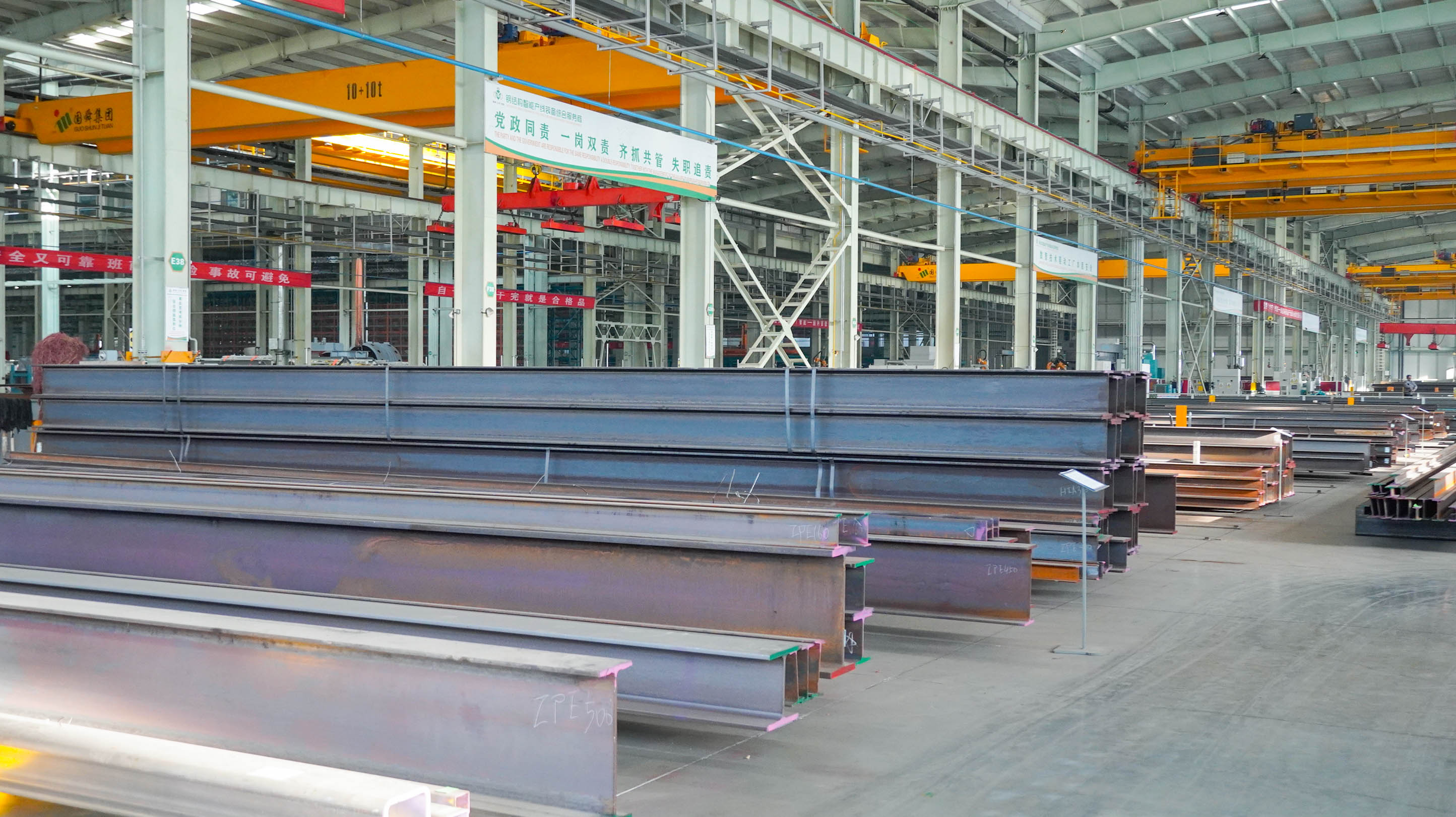
The Paradigm Shift in Structural Connection Engineering
Heavy commercial and industrial construction projects rely heavily on the foundational methods used to unite individual structural steel profiles into a cohesive, load-bearing skeletal framework. While mechanical fastening techniques have historically offered rapid on-site assembly options, the engineering community increasingly gravitates toward continuous fusion methods for demanding multi-story facilities and expansive industrial complexes. Choosing the correct joining strategy determines how effectively dynamic loads, environmental stress, and multi-axial forces transfer across columns, beams, and trusses throughout the lifespan of a building. Field observations from structural inspection specialists and civil engineering case studies consistently demonstrate that understanding the distinct mechanical behaviors of fusion-joined assemblies versus fastener networks is vital for optimizing structural safety, minimizing long-term maintenance overhead, and ensuring absolute architectural stability.
Monolithic Integration and Uniform Stress Distribution
The primary mechanical advantage of a fusion-joined framework lies in its ability to establish a truly continuous, monolithic structure. When steel components undergo thermal fusion, the base metals and filler materials coalesce into a single, homogeneous unit that eliminates micro-movements and joint slippage entirely. In contrast, bolted connections rely heavily on localized friction and bearing pressure transferred through bolt shanks and connecting plates, which can introduce stress concentrations and localized wear under severe cyclic loading. Finite element analysis and structural stress modeling consistently confirm that continuous welded joints distribute internal forces uniformly across the entire cross-section, preventing premature fatigue cracking and ensuring exceptional load-bearing resilience under extreme operational demands.
Spatial Optimization and Reduction of Structural Dead Load
Architectural geometry and structural massing benefit significantly from the streamlined profile of fusion-joined steel assemblies. Mechanical fastening networks typically require overlapping splice plates, heavy flanges, and protruding hardware that increase overall dead weight and complicate subsequent fireproofing or architectural cladding applications. By utilizing precise fusion techniques, engineers achieve clean, uninterrupted lines that reduce unnecessary structural bulk while maximizing interior clearance volumes. This reduction in superfluous connection hardware decreases the total tonnage of steel required for auxiliary components, contributing directly to a more rationalized material budget and a cleaner, more aerodynamic structural envelope for large industrial facilities.
Superior Environmental Sealing and Corrosion Mitigation
Environmental exposure poses a persistent threat to commercial building longevity, particularly in industrial zones subject to high humidity, chemical fumes, and airborne pollutants. Mechanical fastener configurations inherently introduce micro-gaps and crevice zones between joined plates where moisture, salt, and corrosive agents can accumulate, accelerating localized oxidation and rust propagation. Conversely, a properly executed continuous fusion seal creates an impenetrable barrier against atmospheric ingress. Metallurgical examinations verify that uninterrupted welded seams eliminate vulnerable interfacial spaces, protecting the internal joint matrix from moisture penetration and drastically reducing long-term maintenance interventions across harsh operational environments.
Delivering Structural Excellence Through Global Manufacturing Capabilities
Adopting advanced, high-integrity joining methodologies directly influences the structural integrity, safety standards, and financial viability of modern construction projects. By eliminating joint slippage, optimizing mass distribution, and securing environmental resistance, structural engineers construct robust facilities capable of enduring decades of heavy industrial use. Superior structural fabrication transforms complex engineering blueprints into safe, dependable building realities. Guoshun applies extensive manufacturing expertise, advanced automated welding technologies, and stringent quality control protocols to produce exceptional structural steel components designed for demanding structural applications. Operating through a robust, globally integrated supply network, Guoshun delivers continuous access to precision-fabricated steel profiles and comprehensive supply chain coordination for major construction enterprises worldwide. Dedicated industrial innovation transforms raw structural materials into an enduring foundation, empowering developers to execute ambitious architectural projects with absolute confidence.
Table of Contents
- The Paradigm Shift in Structural Connection Engineering
- Monolithic Integration and Uniform Stress Distribution
- Spatial Optimization and Reduction of Structural Dead Load
- Superior Environmental Sealing and Corrosion Mitigation
- Delivering Structural Excellence Through Global Manufacturing Capabilities