 EN
EN

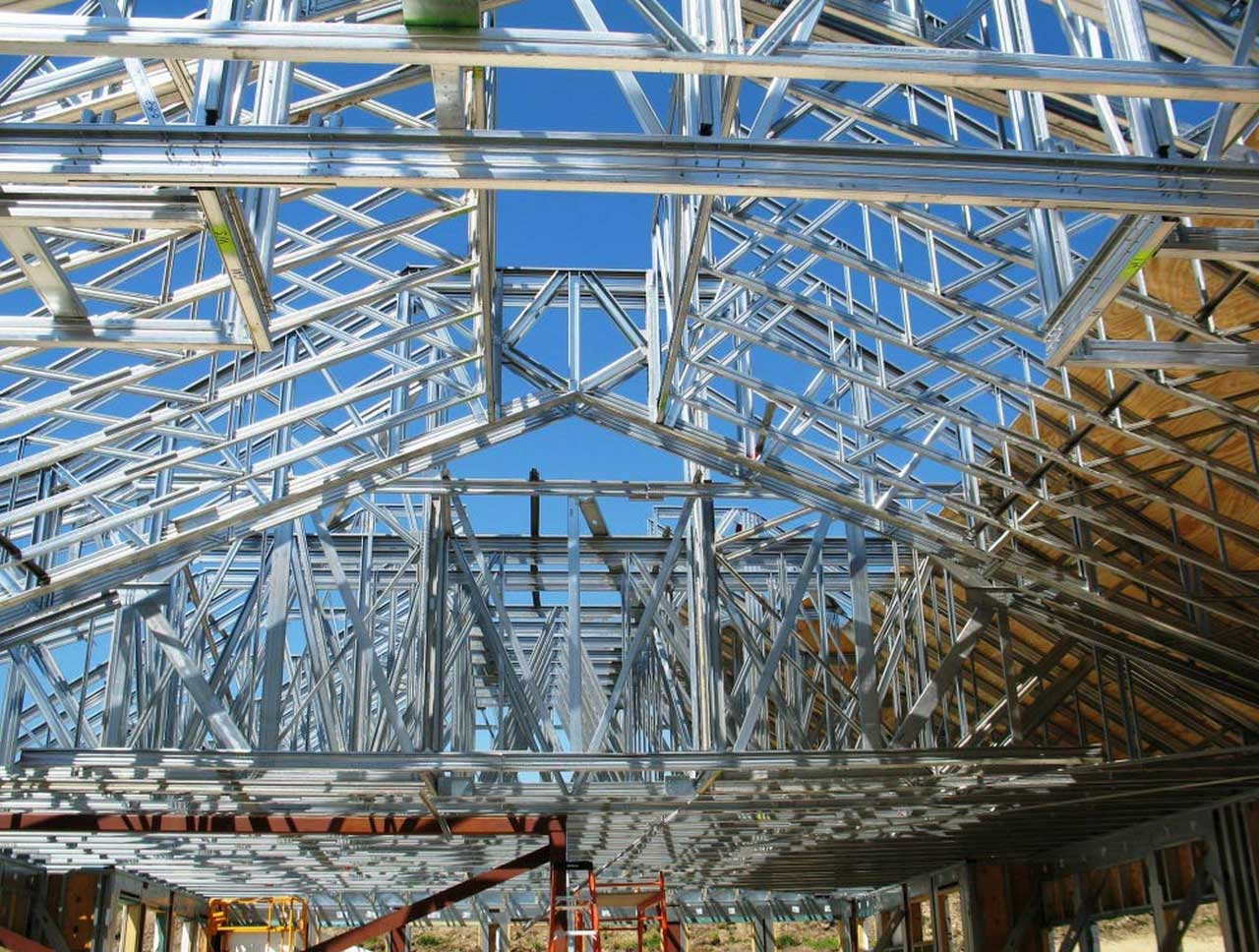
Steel Structure Recyclability and Cradle-to-Cradle Lifecycle
Near-infinite recyclability without degradation in performance
Steel buildings keep their strength even after being recycled countless times, something few other building materials can claim. What makes this possible? When steel gets melted down, its molecules basically go back to how they were originally arranged. This means important qualities like how much weight it can hold, how flexible it is, and how well it resists rust stay pretty much the same. That's why old steel beams taken from demolished factories or bridges can still be used safely in new construction projects. The World Steel Association reports that around 85 percent of all steel produced worldwide gets recycled each year, making steel by far the most commonly reused material in construction circles. Recycling steel takes about three quarters less energy compared to making brand new steel from scratch, which cuts carbon emissions substantially while saving natural resources. Plus, because steel is magnetic, it's relatively easy to separate from other debris at demolition sites, reducing landfill waste and helping create what some call a closed loop system where materials just keep getting reused instead of ending up in landfills.
Closed-loop recycling enabling true cradle-to-cradle material flow
Steel works in a real closed loop system where old beams, columns, and frames get melted down and turned right back into new structural parts without needing to downgrade them first. This constant cycle of materials keeps things out of landfills and fits nicely with those cradle to cradle sustainability ideas many industries talk about nowadays. According to data from the Sustainable Steel Council, around 98 percent of all structural steel gets reused somewhere else after its initial life span ends (as reported in 2023). There's also something called digital material passports that keep tabs on exactly what goes into each piece of steel throughout its entire existence, making it much easier to sort through different types when they need recycling later on. When we combine this tracking system with standard connection methods and precise factory fabrication techniques that cut down on waste during construction sites, the whole process just keeps reducing our reliance on brand new raw materials. For every single ton of recycled steel produced, we save about 1.5 tons worth of iron ore and cut water usage by roughly 40 percent compared to producing fresh steel from scratch.
Steel Structure and Reduced Embodied Carbon
Electric arc furnace (EAF) adoption cutting primary production emissions
Electric arc furnaces or EAFs are changing how much carbon ends up in structural steel because they melt recycled scrap metal rather than relying on smelting raw iron ore. These furnaces actually save a lot of energy compared to old fashioned blast furnaces. According to the Global Efficiency Report from 2023, we're talking about energy savings somewhere between 56% and 61%. Plus, there are no direct emissions from burning coal anymore since that accounts for around 70% of all CO₂ produced during regular steelmaking processes. If these electric furnaces run on green power sources, then the steel they produce releases under 0.3 tonnes of CO₂ for every ton made, which is way better than what most people see across the industry right now. Modern versions of these EAFs also have really good temperature controls that help them save even more energy, making steel one of the best options when it comes to building materials with low carbon footprints for construction projects.
Green hydrogen trials and 75% energy savings in recycled steel production
Producing green hydrogen through solar powered electrolysis is becoming a game changer for steel recycling that emits almost nothing. When we swap out natural gas for this clean alternative in the reheating and reduction steps, factories save between 73 to 77 percent on energy costs according to research published in Sustainable Metallurgy last year. Plus, there are no harmful emissions from burning fuel anymore. Real world tests show that hydrogen works great for maintaining those important material qualities when everything's properly managed in the right atmosphere conditions. Take structural beams made from scrap metal for instance. The new hydrogen based systems need only 8.9 gigajoules per tonne of steel produced compared to the old furnaces which guzzled around 35 GJ. With these kinds of improvements, recycled steel isn't just environmentally friendly anymore. It might actually become one of the key building blocks for creating structures that remove carbon from the atmosphere in the long run.
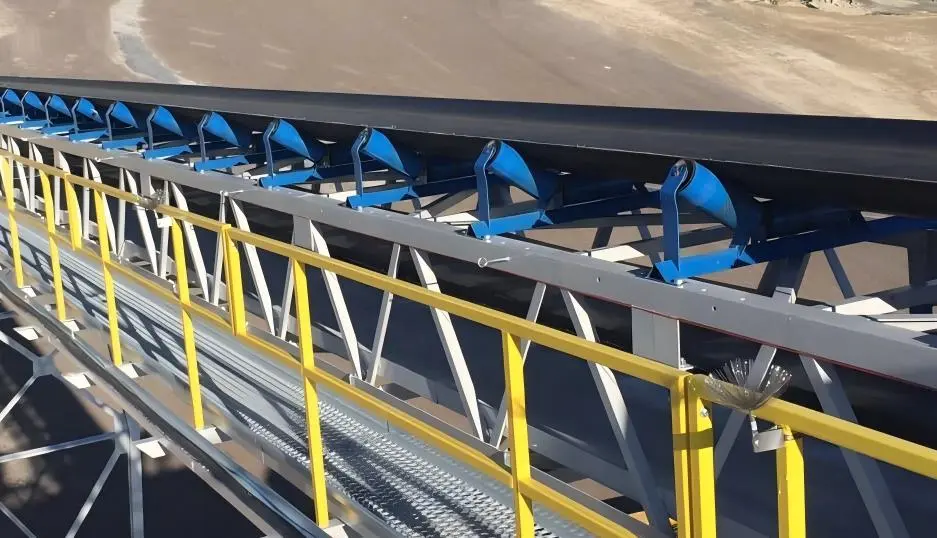
Steel Structure Waste Reduction Through Prefabrication
Up to 90% less on-site waste compared to conventional concrete construction
Steel prefabs produce around 90% less waste at construction sites compared to regular concrete buildings according to Building Research Establishment data from 2024. That's way better than what most of the industry manages these days, where roughly 30% of building materials still find their way into landfills as per the Construction Waste Management Report of the same year. When things get made in factories instead of on site, there's no need to worry about rain ruining materials or workers making mistakes with measurements. Field cutting becomes unnecessary too, which cuts down on all sorts of waste problems we see with traditional building techniques. Everything gets cut to size, drilled properly, and checked for quality before leaving the factory floor. This means components fit together exactly as they should when assembled, so there's much less need for fixing mistakes later on.
Precision prefabrication and digital material traceability minimizing over-ordering
When computer aided design gets paired up with RFID tags, it creates something pretty amazing - real time tracking for beams and panels all through fabrication right down to delivery on site. What this means is companies can actually see exactly what materials they have at any given moment. The result? Less wasted money because procurement matches what's needed for each specific job. Inventory systems now work in real time too, so when designs get changed mid project, orders automatically adjust themselves. According to Construction Innovation Report from last year, this approach cuts down on extra steel buying by around 17%. And here's another bonus: those little bits of scrap metal left over after production don't just end up in landfills. Instead, most plants have developed ways to recycle these materials back into their own operations, following that whole circular economy idea where nothing really goes to waste outside the factory walls.
Steel Structure Longevity and Sustainable Resource Use
Steel buildings last really long time - often over half a century if maintained properly - so there's no need to tear them down and rebuild from scratch as frequently. Concrete tells a different story though. Over time, it breaks down because of things like carbonation or those alkali-silica reactions nobody wants to hear about. Steel just keeps going though, holding up against weather and wear while still being fixable when needed. What makes steel even better is what happens at the end of its life cycle. Old steel parts get recycled right back into new constructions without losing quality. The material doesn't just stay useful during its lifetime but continues serving purposes in completely new ways after retirement. That combination of lasting power and complete recyclability means steel stands out as one of the best options for building structures that need to perform well for decades on end.