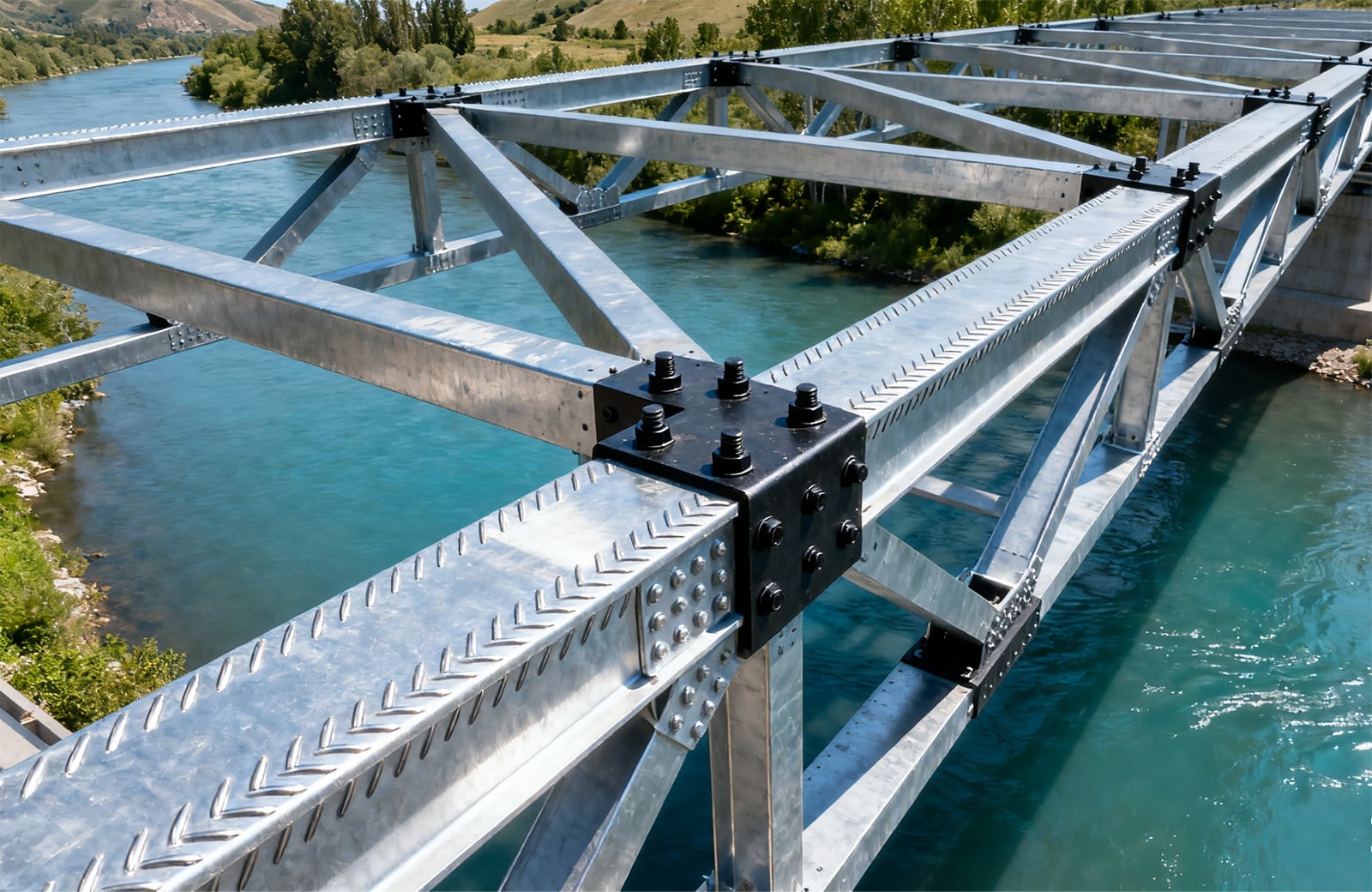
The wild ups and downs in raw steel pricing really mess with managing costs for fabricated structures. Steel prices can jump overnight because of sudden global demand increases or problems in the supply chain, and this often leads to project budgets blowing past 20%. Contractors then have to choose between cutting corners on quality or pushing back deadlines, neither of which is ideal. The whole situation makes fixed price contracts a nightmare, so companies end up adding extra money into their initial estimates just to cover possible surprises. Framing work becomes especially risky financially speaking, since most contractors either eat the losses themselves or try to renegotiate deals while construction is already underway. Looking at steel price trends ahead of time using tools like the CRU Steel Index does help somewhat though. It gives better insight into what might happen next and when to buy materials, but no one has a crystal ball when it comes to commodity markets.
The cost of steel for fabricated systems is heavily influenced by geopolitical changes, problems with shipping routes, and how much scrap metal is available locally. When trade tariffs get imposed, they tend to push up the price of imported steel anywhere from 15 to maybe even 25 percent. And then there are those local scrap shortages that happen all the time. Scrap makes up about 40% of what goes into making structural steel, so when it runs low, factories end up delaying production. Supply chain experts track all these factors constantly, looking at things like how backed up ports are getting and how fast recycling operations are running. Companies that spread their supplier base across different regions generally see around 12% more stable pricing compared to those relying on just one source. This shows why smart logistics planning matters so much in today's unpredictable market conditions.
Smart businesses save money when they buy steel during market dips that happen every so often. Looking back at past patterns shows there are usually cycles lasting around 18 to 24 months where prices drop about 8 to 12 percent below normal levels. These periods represent great opportunities to stock up on large quantities. Companies that do well typically use various tools to predict when these dips will occur. They look at future price trends, what's sitting in warehouses right now, and bigger economic signs pointing to changes ahead. Buying during these low points can cut overall project costs anywhere from 10 to maybe even 15 percent, which definitely helps improve return on investment numbers. Some savvy organizations include special terms in their contracts that let them purchase materials in stages rather than all at once, securing good prices without tying up too much cash upfront.
More architects are going after those eye-catching steel structures with all sorts of complicated shapes these days. But let's face it - when things get too intricate, fabrication becomes a real headache and labor costs shoot through the roof. Take those custom parts for instance, curved beams or weird joints that don't fit any standard mold. They need special cutting tools, extra welding work, and typically take about 30 to maybe even 50 percent longer in the shop compared to regular components, says the American Institute of Steel Construction based on their engineering data. And this gets worse when it comes to mistakes. The industry has seen that projects with lots of custom stuff tend to have around 18% more problems needing fixes because measurements just aren't spot on. Sure, bold designs look great on paper and add value to buildings, but each time we stray away from standard steel sections, it costs roughly $45 extra per hour for specialized workers and pushes back timelines by somewhere between 15 and 25%. Teams working on these projects really need to think hard about what they're getting into upfront. Going overboard with customization can actually wipe out most of the cost benefits that made steel construction attractive in the first place.
| Design Approach | Shop Drawing Time | Production Speed | Material Utilization |
|---|---|---|---|
| Standardized | 10—15 days | 25% faster | 92—95% efficiency |
| Parametric | 5—8 days | Comparable | 97%+ efficiency |
| Fully Custom | 20—30+ days | 15—30% slower | 85—88% efficiency |
When it comes to structural design, parametric modeling lets engineers quickly test different versions of their creations thanks to those smart algorithms that automatically tweak parameters. Shop drawings take about 40% less time to complete compared with old school methods where everything had to be drawn out manually. Another big plus is how these models create really efficient cutting layouts that cut down on wasted steel. That matters a lot since steel prices can swing anywhere from 20% to 30% every three months depending on what's happening in global markets. Standardized building systems definitely speed things up during construction because they come with ready made joints that snap together fast, maybe even saving around 25% on assembly time. But there's a trade off here too. These standard parts don't always give architects the creative freedom they want. Smart fabricators know this balance well. They mix parametric techniques for tricky connection points with standard components wherever feasible. This hybrid approach typically saves somewhere between 12% and 15% across entire projects without sacrificing the original design vision.
Building codes across different regions really affect how much money gets spent on projects because they force certain structural upgrades. Take places prone to earthquakes for instance – the rules about seismic loads typically mean around 15 to maybe even 25 percent more steel needs to go into bracing and connections according to those ASCE 7-22 guidelines. And don't get me started on areas where snow piles up deep during winter months. The buildings there need much stronger foundations which obviously drives up both materials costs and what contractors charge for their work. Then there's the whole issue with wind resistance along coastlines that makes everything from framing to roof design just plain harder to figure out. While all these local regulations definitely keep people safe, they also tend to balloon project budgets since engineers have to do more calculations and builders must follow stricter procedures throughout construction.
Where a project is located has a major impact on overall costs because of transportation issues and problems getting workers on site. Sites that are far from main roads or stuck in mountainous areas need special trucks and bigger machinery, which can push fuel bills and delivery times way up sometimes around 30% or more. When there's not enough room to maneuver, cranes get stuck trying to position themselves properly, making setup take forever and eating into rental budgets. Workers end up costing more too since they need extra money for travel, work slower when tired from commuting, and often end up working overtime to meet deadlines. Good site planning helps cut down these headaches, though nobody can deny that geography still plays a huge role in how much things ultimately cost.
When it comes to bigger steel fabrication jobs, there's definitely money to be saved through economies of scale. Take a typical 20,000 square foot building for instance - these tend to come in at around 12 to 18 percent cheaper per square foot compared to their smaller counterparts. Why? Well, basically because those fixed costs for design work get spread out over more units when production scales up. Plus, buying materials in bulk always brings down prices. The operational side gets better too. Standardized fabrication methods mean less wasted material going into landfills, and smarter workforce scheduling cuts down on overtime pay. All these factors pile up over time. That's why most manufacturers find that going big with steel construction just makes financial sense in the long run.
| Cost Factor | Small Project Impact | Large Project Advantage |
|---|---|---|
| Fixed Costs | High per sq ft allocation | Distributed across more units |
| Material Procurement | Limited bulk discounts | Volume-based price reductions |
| Labor Efficiency | Frequent setup changes | Streamlined repetitive tasks |

Copyright © 2025 by Shandong Guoshun Construction Group Co., Ltd. - Privacy policy
 EN
EN



