 EN
EN

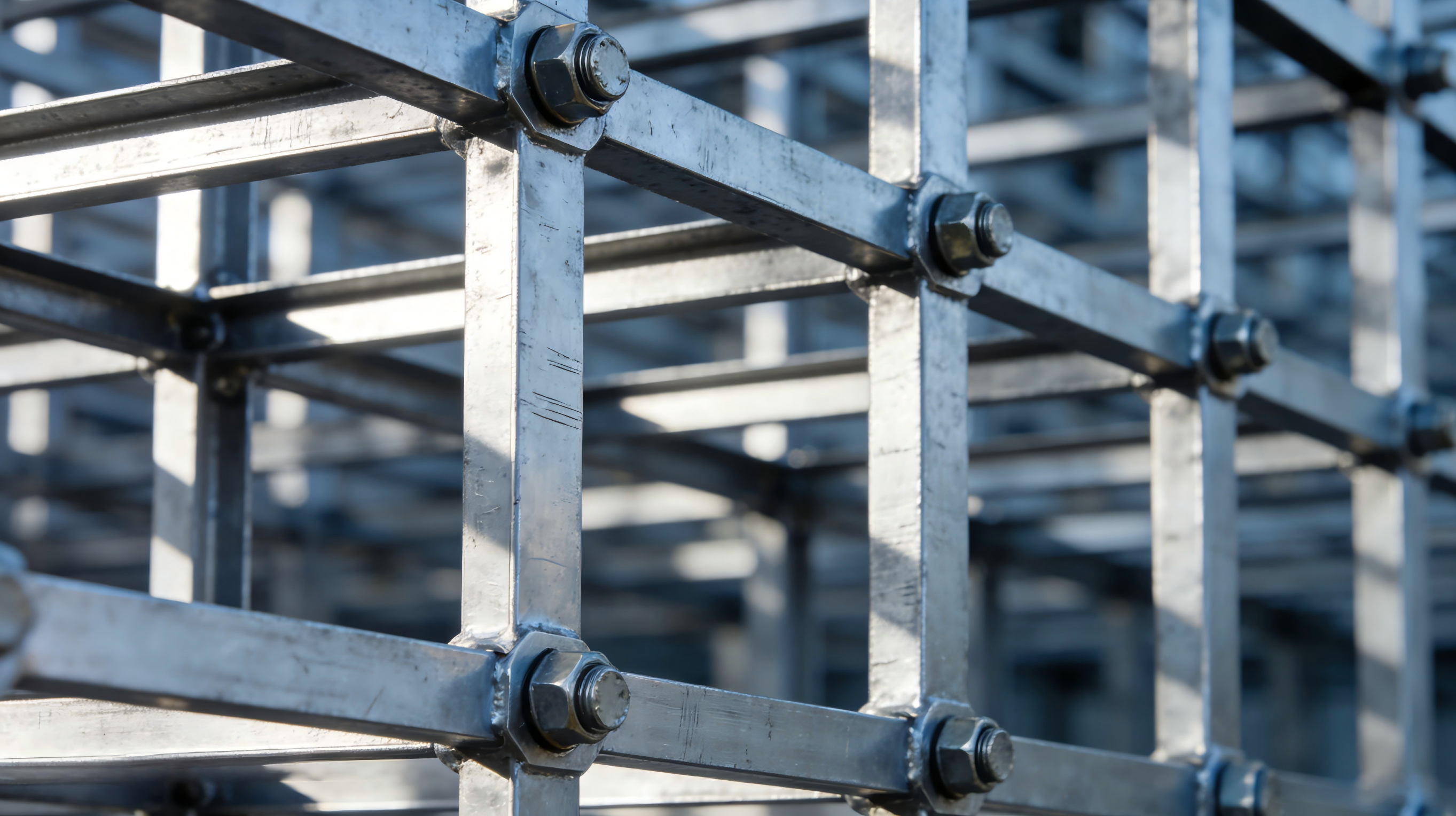
Superior Strength-to-Weight Ratio for High-Rise and Heavy-Load Applications
Reduced foundation loads and faster construction cycles in steel structure high-rises
The strength to weight ratio of steel makes it possible to build taller structures even when the ground isn't great quality soil. When we look at similar buildings made from concrete, their foundations end up being roughly 30 to maybe even 40 percent heavier. That means deeper digging and more expensive materials all around. With modular prefabrication methods, things get built much faster too. Big cranes just lift these pre-made steel beams into place quickly, which cuts down construction time for skyscrapers by somewhere between 20 and 25 percent compared to traditional concrete pouring techniques. The speed really helps reduce problems on crowded city sites where space is limited. Take a 40 story building as an example – using steel instead of concrete saves about 1,200 truck trips worth of foundation materials. Fewer trucks mean simpler logistics overall and lower carbon footprint from transportation alone.
Steel vs. reinforced concrete: column load-bearing efficiency per m² in heavy-duty contexts
Steel columns in industrial facilities and warehouse spaces offer better load bearing capacity per square meter compared to other materials. When looking at similar cross sections, these steel structures can handle about 40 to 50 percent more weight than reinforced concrete does. This means businesses get extra valuable floor space without compromising structural integrity. The reason behind this lies in the material properties themselves. Steel has a uniform density of around 7,850 kilograms per cubic meter, whereas concrete is made up of different components with a much lower density at approximately 2,400 kg/m³. Because of this difference, concrete needs additional reinforcement to prevent cracks under stress. For long spans over 18 meters, steel girders can be built thinner than what would work for concrete structures. This reduces the overall weight by roughly 15% while still being able to support heavy machinery and equipment. Plants that take advantage of this kind of structural efficiency often find they have between 10 and 12 percent more usable space inside buildings that are exactly the same size on paper.
Exceptional Performance Under Dynamic and Extreme Loads
Ductility and seismic resilience: how steel structure absorbs and dissipates energy in earthquakes
The ductility of steel means it can bend quite a bit before breaking, which makes buildings made with steel stand up better during earthquakes. When tremors hit, steel frames actually take in and spread out the damaging forces through what engineers call controlled yielding. These special points where beams meet columns work kind of like shock absorbers for the whole structure. According to FEMA's guidelines on earthquake design, well constructed steel moment frames can cut down structural damage by around 60 percent when big quakes strike. What's even more impressive is that steel manages to soak up about 30% more energy than regular reinforced concrete structures do under similar conditions.
Wind stability in supertall buildings: steel-core hybrid systems as benchmarks
Tall buildings above 500 meters face real problems with wind causing them to sway back and forth. This movement affects not just the building's stability but also makes people inside uncomfortable. To tackle these issues, engineers have developed steel core hybrid systems. These include things like tuned mass dampers which help absorb vibrations, special shapes that cut through the wind better, and those big outer truss structures that connect everything together with a strong steel frame underneath. According to research published recently by the Council on Tall Buildings and Urban Habitat in 2023, buildings made with steel frames actually move sideways about 40 percent less than their concrete counterparts when hit by hurricane strength winds. Take for example a prominent 632 meter tall building with its unique spiral shape. It has a combination of steel and concrete at its center plus those outer support structures around the edges. This design cuts down on vortex shedding effects by roughly 24% compared to what we normally see. As a result, the building stays structurally sound while keeping occupants safe and comfortable even during severe weather conditions.
Design Flexibility and Future-Proof Adaptability in Heavy-Duty Industrial High-Rises
Large-span, column-free interiors and vertical expansion enabled by modular steel structure systems
Steel structures make it possible to create industrial spaces without columns that stretch over 40 meters wide. This gives plenty of room for big machines, automated systems, and whatever new layout changes might come along. With modular steel systems, companies can expand upwards pretty easily. Just bolt on another floor to what's already there and keep operations running mostly uninterrupted. The prefabricated parts cut down on time needed to rearrange things by about half when compared to concrete buildings. Plus these parts maintain the building's integrity throughout all those changes and save money later when modifications become necessary. For businesses dealing with shifting production demands or needing to upgrade facilities, this kind of flexibility pays off handsomely in the long run.
Enhanced Durability and Modern Fire Safety in Demanding Environments
Steel structures last much longer in places where corrosion or stress is a problem, especially when paired with modern fire protection systems that actually pass those tough international safety tests. The intumescent coatings we apply right onto steel beams expand when things get hot, creating this protective char layer that slows down how fast temperatures climb. What does this mean? People have more time to evacuate buildings during fires, sometimes as much as two whole hours, while the steel stays strong even at temperatures over 1000 degrees Celsius. Concrete just can't handle that kind of heat without cracking apart suddenly. Combine these passive protections with proper compartment walls, non-burning insulation materials, and working sprinkler systems, and buildings meet all those strict fire resistance rules required for tall buildings and dangerous industrial sites. For coastal areas or places near chemicals where regular steel would rust away quickly, galvanized or weathering steel makes sense. These options cut down on maintenance headaches over time and keep structures performing well according to building codes for many years straight.tural integrity.