 EN
EN

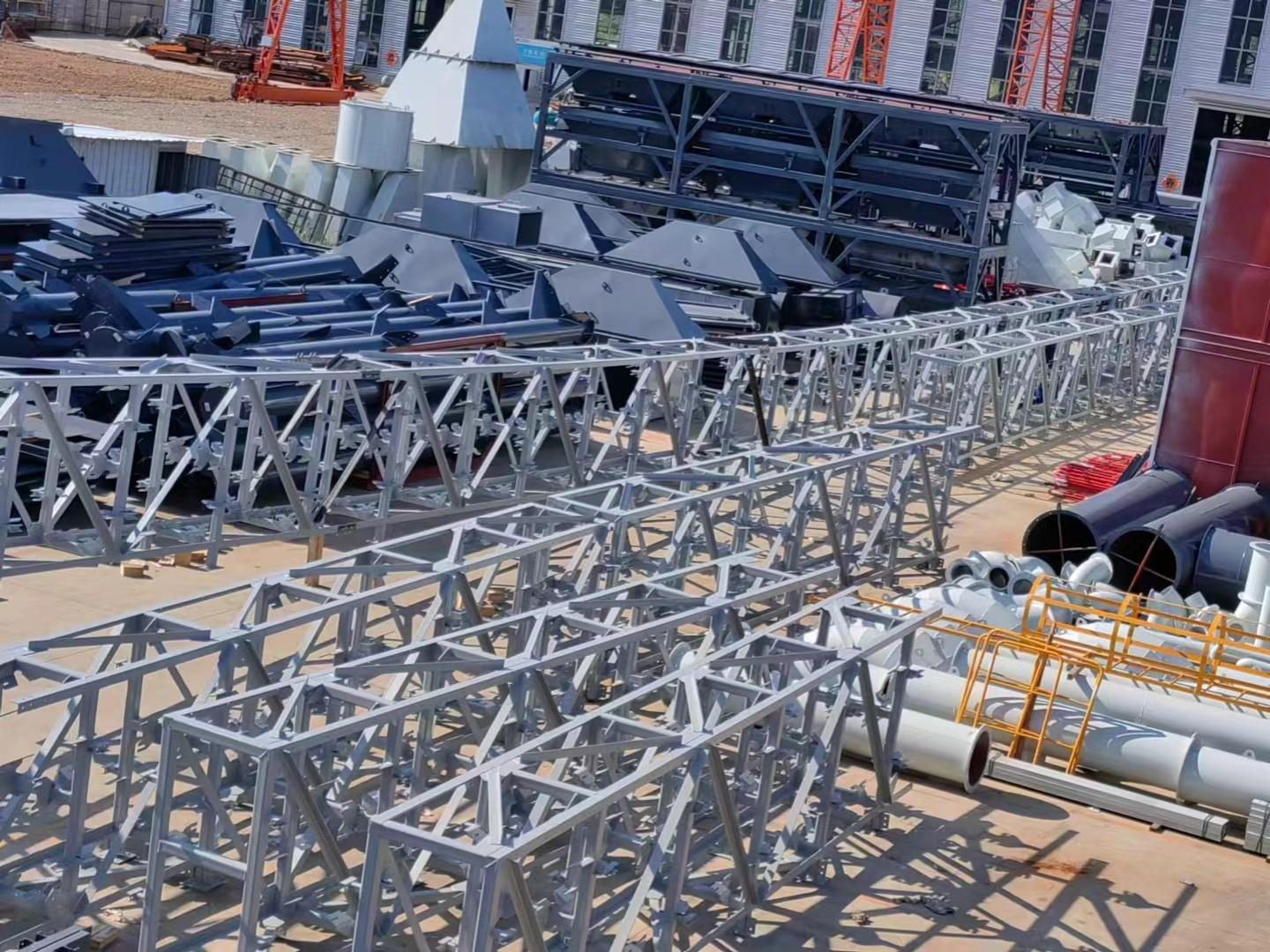
Steel Grade Selection and Material Properties for Long-Term Durability
Carbon Steel vs. Stainless Steel vs. Epoxy-Coated Steel: Performance Trade-Offs in Steel Structure Applications
Selecting the appropriate steel type makes all the difference when it comes to lasting performance, safety concerns, and getting good value throughout the product life. Carbon steel gives strong structural properties and saves money upfront, which works well for projects where budgets are tight. But there's a catch - it needs serious protection against rust especially in places that get damp, near factories, or along coastlines. Stainless steel stands out because it doesn't corrode on its own and practically never needs maintenance. That's why it becomes the go-to choice for really harsh conditions such as saltwater areas or chemical plants. The downside? It costs quite a bit more initially. Still many find that paying extra now pays off later since they won't have to repaint or inspect as often. Epoxy coated steel combines the strength benefits of regular carbon steel with an added layer of plastic protection. However these coatings tend to wear down eventually, usually needing checks around the 10 to 15 year mark. And if anything happens to scratch or chip the coating during transport or setup, those damaged spots become weak links in the protective shield.
Key trade-offs include:
- Cost vs. lifespan: Carbon steel minimizes initial investment but increases lifecycle expenses through protective systems and recurring maintenance. Stainless steel commands higher upfront cost but delivers the lowest total cost of ownership in corrosive service conditions.
- Environmental resilience: Stainless steel (especially grades 316 and 2205) outperforms all alternatives in chloride-rich or acidic exposures. Epoxy-coated systems provide strong, balanced protection where full stainless substitution isn't feasible.
- Maintenance needs: Epoxy coatings require periodic visual and holiday detection inspections; stainless steel demands only routine cleaning and fastener checks.
Selection should align with site-specific exposure risks—prioritizing material behavior over cost alone ensures decades of reliable, low-intervention service.
Yield Strength, Toughness, and Ductility Under Extreme Temperatures
The ability of steel structures to withstand thermal stress depends heavily on three key mechanical characteristics working together: yield strength, toughness, and ductility. Yield strength basically tells us when steel starts to deform permanently, which becomes really important in cold environments since lower temps make materials more brittle. Take ASTM A572 Grade 50 and ASTM A992 steels as good examples these maintain their strength even at minus 40 degrees Fahrenheit, so they can safely carry loads in freezing conditions without failing. Toughness is measured through something called Charpy V-notch impact tests and shows how well steel resists breaking suddenly when subjected to dynamic forces like earthquakes or strong winds hitting the structure. The higher the toughness number, the less likely the material will fail during quick temperature changes or repeated stress cycles. Ductility lets steel bend and stretch instead of snapping, absorbing energy from things like heat expansion, shaking from quakes, or intense heat from fires. During fires specifically, ductile steel buys time before complete collapse happens because it yields slowly rather than shattering all at once. For buildings and bridges in areas with harsh or changing weather conditions, it's absolutely necessary to specify steel that performs well across all these properties, not just looking at strength numbers on paper. Real world performance matters most when lives are at stake.
Corrosion Resistance Strategies for Steel Structure Longevity
Galvanization, Galvalume, and Advanced Polymer Coatings: Effectiveness and Lifespan Data
Hot dip galvanization is still the go to method for controlling corrosion in structural steel work. The process applies a zinc layer that bonds metallurgically to the steel surface, serving two purposes at once: it forms a physical barrier against moisture while also acting as a sacrificial anode. For buildings located in temperate inland areas where conditions aren't too harsh, good quality galvanized coatings can last well over half a century without needing any maintenance. Galvalume takes things a step further with its special coating made from zinc mixed with 55% aluminum. This combination offers better protection against heat damage, wear and tear, and those annoying red rust spots that tend to appear. Lab tests accelerated through weathering cycles indicate Galvalume generally lasts about 40% longer than regular galvanizing, especially important for structures exposed to industrial pollutants or intense sunlight. When dealing with really tough environments like chemical processing facilities or coastal areas prone to saltwater spray, engineers often turn to multi layer polymer systems instead. These typically involve applying a fluoropolymer top coat over a zinc rich primer base. As long as contractors follow the SSPC SP 10 or NACE No. 2 prep guidelines during application and check the coating thickness regularly, such systems will usually provide reliable corrosion protection for anywhere between thirty and fifty years without requiring ongoing maintenance.
Mitigating Chloride-Induced Corrosion in Coastal and Industrial Environments
Chloride ions are everywhere along coastlines and in industrial areas. These tiny troublemakers find their way through small cracks in protective coatings and speed up rust formation by about eight times compared to normal conditions. To fight back against this corrosion problem, we need multiple layers of defense. Start with galvanized or Galvalume metal underneath paint jobs since these materials offer extra protection when the outer coating gets damaged. Top that off with special epoxy-polyurethane coatings designed specifically to block chloride movement and stand up to sunlight damage. How structures are built matters just as much though. Get rid of those tricky spots where water tends to collect like corners, overlaps, or flat areas on beams. Saltwater loves to sit there and cause problems. For parts under lots of stress and exposure, go with stainless steel reinforcements following ASTM standards like Grade 316 or the duplex 2205 type. When it comes to drainage, think ahead. Make sure everything has at least a 2 degree slope so water runs off instead of pooling. Field tests on bridges near the sea and port facilities show this approach can cut down on corrosion starting points by around 60%.
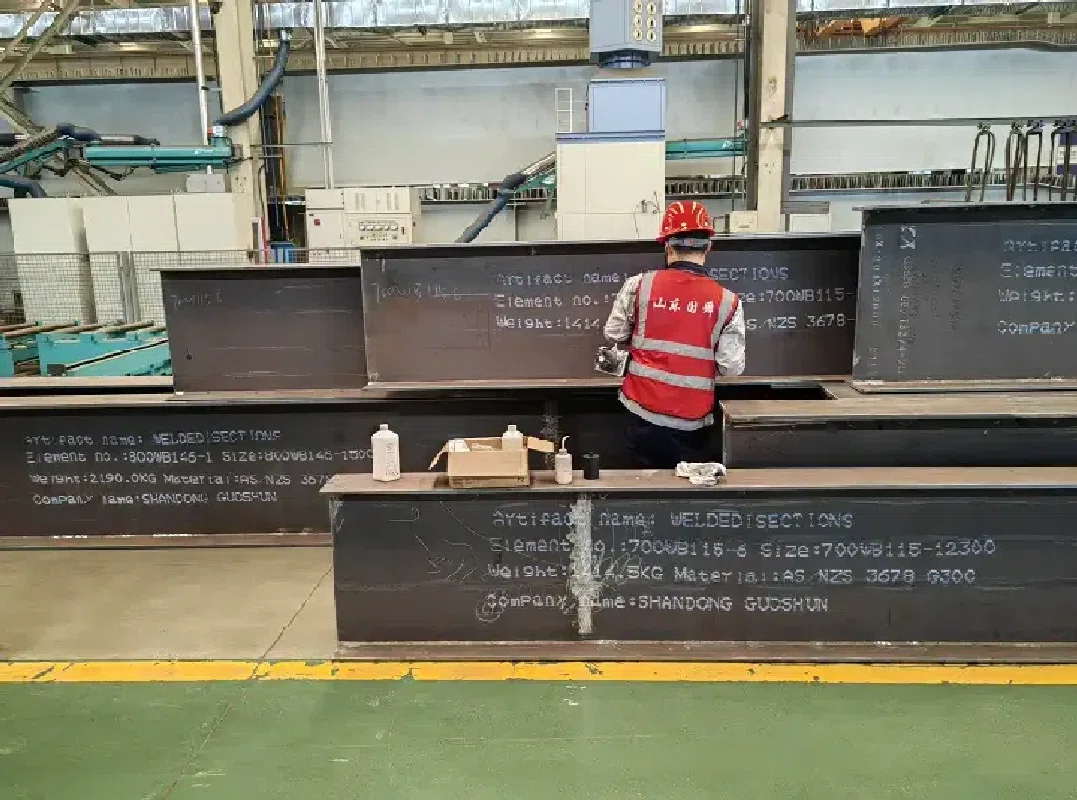
Design Principles That Enhance Steel Structure Durability
Drainage Optimization, Structural Redundancy, and Detailing Best Practices
Managing moisture is key to keeping steel structures standing strong for years. When water doesn't drain properly, it sits around longer than it should, which speeds up rust formation even on surfaces that have protective coatings or galvanization. Good drainage design makes all the difference. Sloped surfaces, drip edges, weep holes, and properly sealed joints help prevent water from pooling in one spot. Studies indicate that this approach cuts down corrosion risks by roughly 60% in areas where humidity levels are consistently high or rainfall is frequent. Another important factor is structural redundancy. Steel structures with multiple load paths, alternative bracing options, or moment resisting frames tend to be more reliable overall. If part of the structure gets damaged from impacts, repeated stress, or corrosion, the whole thing doesn't necessarily fall apart. Small details matter too when it comes to durability. Designers should avoid those sharp inside corners, specify bigger fillet radii, and make sure welds are accessible for inspection. These choices help spread out stress and stop cracks from starting in the first place. Just rounding off transitions instead of leaving them square can cut the chance of fatigue cracks forming by about half compared to those abrupt angles. All these considerations work together to lengthen how long structures last, make inspections easier, and ultimately save money on repairs over time.
Load Distribution and Seismic/Wind Resilience in Steel Structure Frames
Load distribution issues continue to be one of the main reasons why structural problems develop early in aging steel infrastructure. According to ASCE 2024 reports, these uneven loads cause about 78% of preventable failures in older structures. When engineers optimize frame designs, they spread out forces evenly across all parts of the structure, which stops certain areas from getting stressed beyond their limits. Moment resisting frames along with diagonal bracing systems work really well at absorbing earthquake energy. Buildings with these features can actually handle ground movements up to 1.5 times stronger than regular structures. Wind resistance gets better too when architects incorporate aerodynamic shapes like tapered columns, beams with rounded corners, and facades with holes or gaps. These design choices cut down on sideways pressure by around 30 to 40 percent and also help reduce those annoying vibrations caused by wind patterns. What matters most for both earthquakes and strong winds though is how solid the connections between different parts of the building are. High strength bolts that resist slipping and properly welded joints designed according to AISC 360 standards keep everything stable even after many cycles of stress. This attention to detail ensures people stay safe inside and the building continues functioning properly for decades.
Environmental Resilience: Steel Structure Performance Under Harsh Conditions
Steel buildings really stand out when Mother Nature throws her toughest punches at construction materials. Take those brutal Arctic conditions down around -50 degrees Celsius. Special low temp steels like ASTM A871 Type II or ASTM A709 Grade 50W keep about 90% of their strength even in freezing temps. They also pass the tough Charpy impact tests needing at least 20 foot pounds of force at those frigid temperatures, which helps prevent sudden cracks from forming under heavy ice loads or sudden temperature changes. For coastal areas, applying triple layer epoxy coatings onto surfaces that have been properly blasted and galvanized can extend the life of steel structures for roughly 40 years compared to plain steel. We've seen this work wonders on bridges and offshore platforms over many decades now. When earthquakes strike, steel's natural flexibility lets building frames bend and twist without breaking. These steel frames can actually absorb three times more energy during quakes than similar concrete buildings, cutting down the chance of total collapse by about two thirds according to FEMA studies. And let's not forget about those scorching deserts where temperatures regularly hit above 60 degrees Celsius. Engineers design special expansion joints that handle up to 130 millimeters of movement while keeping everything structurally sound and looking good too. All these tested solutions show why steel remains so versatile against hurricanes, chemicals, repeated freezing and thawing cycles, and all sorts of extreme temperature swings. The result? Buildings that last longer, perform better, and need maintenance schedules that are actually predictable instead of completely unpredictable.